The most common pothos propagation mistakes are simple to name. You cut without a node. You let the water go stale. You overwater the soil, or you rush the move from jar to pot. Get those four right and your cuttings root with almost no fuss. Get them wrong and the stems turn to mush. Most of the reasons why pothos cuttings fail trace back to one of these. So they are worth knowing before you ever pick up the snips.
I lost a whole jar of golden pothos cuttings on my north-facing kitchen windowsill. Every one went slimy and brown right at the base. The water had gone cloudy weeks earlier. I never changed it. By the time I looked, the nodes were soft and the stems came apart in my fingers. That is one of the classic pothos propagation mistakes at work.
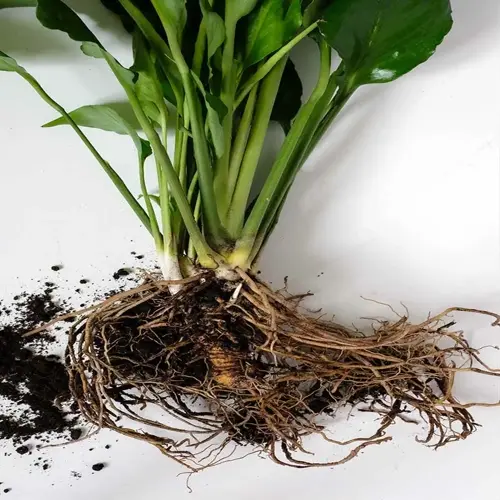
Stale, deep water is the main culprit behind a rotten node. I had filled that jar to the brim and forgotten it, so the node sat deep in dead water. Water that sits untouched loses oxygen, and a node with no oxygen around it starts to break down. The same thing happens in soggy soil. Pothos prefers to sit too dry than too wet, so constant wetness drowns the roots before they form. Submerge only the node, keep the water shallow, and swap it out every 5 to 10 days.
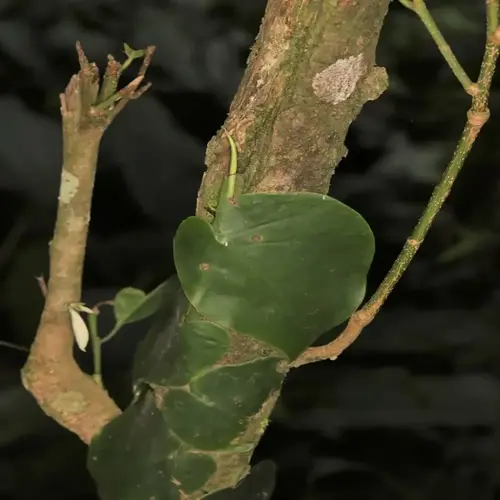
A cutting that never grows roots usually has a different problem. Roots form only at the node, the small bump where a leaf meets the stem. A leaf with no node, or a bare slice of internode, has nowhere to push roots from and will just sit there. Cold rooms slow things down too. Keep your cuttings warm, around 70 to 80°F (21 to 27°C), and they root far faster than ones parked on a chilly sill.
Yellowing leaves point to too much water rather than too little. When you transfer a cutting to soil and keep that soil wet all the time, the lower leaves go pale and yellow. Ease off. Lightly moist soil beats soggy soil every time with this plant.
Even a healthy-looking cutting can fail, and that part catches people off guard. Store-bought cuttings can show up sick. The rot was riding along before the cutting ever reached your jar. This is why clean tools and fresh water matter so much. Wipe your snips with alcohol before each cut. One detail helps you tell two problems apart. Phytophthora root rot does not blacken the leaf veins. Bacterial wilt does darken them. So dark veins point to a bacterial issue, not plain root rot.
Here is a quick way to self-diagnose. A mushy, brown stem base means rot from stale water or soggy soil. Toss that cutting, sanitize the jar, and start fresh in clean shallow water. No roots after weeks means a missing node or a room that is too cold. Check that your cutting has a node and move it somewhere warm and bright. Yellow leaves after you pot up mean too much water. Let the top of the soil dry before you water again.
- Keep a node: Never take a leaf-only or internode-only cutting, since roots form only at the node.
- Refresh water: Change cloudy or stale water every 5 to 10 days and submerge only the node, not the whole stem.
- Do not overwater: Keep soil lightly moist rather than soggy, because constant wetness causes the root rot that kills cuttings.
- Wait to transfer: Move water-rooted cuttings to soil only once roots reach 2 to 3 inches (5 to 7.5 cm) and start branching.
- Use clean tools: Sanitize your snips to avoid spreading the rot diseases that can travel on cuttings.
Prevention comes down to a short checklist. Take a cutting with a real node, keep the water fresh and shallow, hold the room warm, and use lightly moist soil once you pot up. Do that and pothos cutting rot stops being the thing that ruins your jar of starts.
Read the full article: Pothos Propagation: A Complete Guide