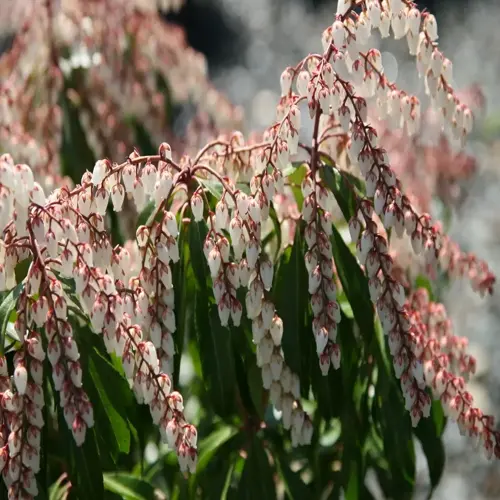

One plant in the north-line Emerald Green row still wears a blunt, flat top three years after I sawed it level to clear a sightline. The cut never softened. No new shoots rose to round it off, and the bare stub looks the same today as it did the week I made the cut. Topping arborvitae causes damage that is permanent, and that flat scar is your proof.
Here is the direct answer. Cutting top off arborvitae removes the growing tip and leaves a stub that stays bare for the life of the tree. The plant will not heal the gap or push a new leader to replace what you took. You trade a tall, full hedge for a squared-off one with a dead-looking crown.
The reason sits in the plant's wiring. Arborvitae is a conifer, and conifers grow new shoots only from buds that already live in their green foliage. The old brown wood deeper inside the plant holds no dormant buds waiting to break. So when your saw passes through that bare wood, it strips out growth the tree has no way to rebuild. The result is the bare stub, not a fresh point.
Broadleaf shrubs play by different rules. A boxwood or a holly keeps hidden buds along its older stems, so a hard cut wakes them up and fresh leaves fill back in. Arborvitae has no such backup. Cut into the bare core and that section is finished. A boxwood in the same spot would bounce back within a season, but the conifer just sits there.
University extension offices say the same thing in plain terms. UMD Extension says conifers like arborvitae do not regrow foliage they lose to heavy pruning. The same goes for deer browsing or crowding. When you try to reduce arborvitae height by cutting the leader, you stunt the top. You are left with a permanent gap where the point used to be. The flat profile you create on day one is the profile you keep.
I have watched this play out more than once. A neighbor topped a whole 8-foot screen to clear a new gutter line, and that row has stayed boxy and brown on top ever since. The plants did not die. They just stopped looking like trees. Topping arborvitae rarely kills the plant outright, and that is the trap. It survives ugly, so people assume it will recover. It will not.
Never top an oversized arborvitae to make it fit. Pull it out and plant a smaller variety in its place. Prevent the whole problem next time by checking the mature height on the tag before you buy, so the plant fits the spot at full size.
So when an arborvitae outgrows its space, your real choice is removal, not a haircut. Dig out the too-big plant and set a dwarf type in the gap, one that tops out near the height you actually want. You can still shear the sides of a healthy arborvitae to keep its width in check. That cutting stays in green growth, so it fills back in. The top is the only part you must leave alone.
Match the plant to the spot from the start and you skip this trap for good. A variety that matures at 6 feet never needs its crown sawed off under a low eave or a power line. Read the tag and give it room. Topping arborvitae becomes a problem you never have to face, and your hedge keeps the soft, full point that makes a row worth planting in the first place.
Read the full article: Arborvitae Shrub: Complete Growing Guide