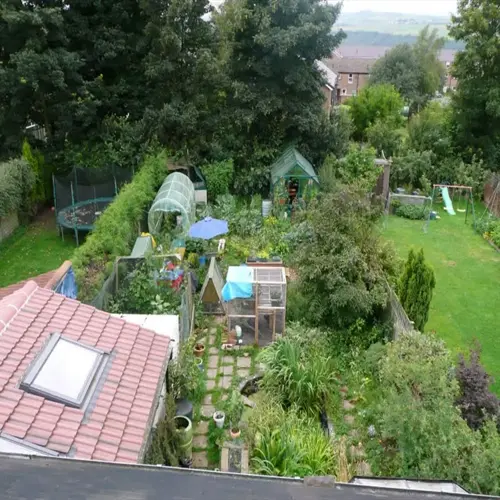

Last summer I brushed past a stand of bee balm on the moist inner slope of my back corner, the damp patch by the kitchen window. The leaves let go a sharp minty scent into the humid evening air. Bees still worked the lavender flowers in the half-light. I noticed how thick and green the plants stood while everything else drooped in the heat. That corner stays wet all season long, and these herbs drink it up.
The best herbs for wet soil are mint, bee balm, sweet flag, angelica, and lovage. These moisture loving herbs drink up constant damp that would kill most kitchen staples. They give you a corner that smells alive instead of a patch of bare, soggy ground.
Here is the catch that trips up most gardeners. Nearly every culinary herb you know wants dry, sharp drainage. Rosemary, thyme, oregano, and sage all come from rocky hillsides where water runs straight through the soil. Plant them in damp ground and the roots rot within weeks. Their leaves yellow, then go soft and black at the base. So the herbs that handle wet feet are a small, specific group, not the usual suspects you see on every windowsill.
Each damp-tolerant herb wants a slightly different spot in that wet zone. Match the plant to how soaked the ground stays and you get strong growth instead of mush.
Mint and Bee Balm
- Where they sit: The moist inner slope, where soil stays damp but never floods, suits both of these spreading herbs well.
- What you get: Mint for tea and bee balm for cooking, plus flowers that pull in bees and hummingbirds all summer.
- Watch out: Mint runs hard through wet soil, so it needs a buried pot or hard edge to keep it in check.
Sweet Flag and Angelica
- Where they sit: The wettest part near the center, where water pools after rain, is the one spot these two actually prefer.
- What you get: Sweet flag adds tall, strappy leaves and a warm spice scent, while angelica gives big stems you can candy.
- Good to know: Angelica grows 5 to 6 feet tall, so give it room at the back where it won't shade smaller plants.
Lovage
- Where it sits: The slightly drier edge of the damp zone, where soil is moist but not soaked, keeps this one happy.
- What you get: A bold celery flavor for soups and stocks from leaves, stems, and seeds alike across the whole plant.
- Size note: One plant reaches 6 feet tall by midsummer, so a single lovage feeds a whole kitchen with ease.
Notice the pattern across that list. Sweet flag and angelica take the wettest center, while bee balm, mint, and lovage want the moist slope or the drier edge. Read your own ground before you dig. Stand in the corner the day after heavy rain and see where water still sits versus where it has drained away.
Then place each plant on the slope that fits its taste, not in the soggiest dip at the bottom. Even tough damp soil herbs can drown if their crowns sit underwater for days on end. Roots need oxygen as much as they need water, and standing water locks that air out. The moist slope gives roots steady moisture and the air they still need to breathe and stay healthy.
Keep the spreaders honest from the start. Mint and bee balm both run through soft, wet soil faster than you expect. Sink a bottomless pot around the roots or edge the bed with stone so one plant doesn't swallow the corner in two seasons. Do that, and a wet patch turns into the most fragrant spot in your whole garden.
Read the full article: Best Rain Garden Plants by Moisture Zone