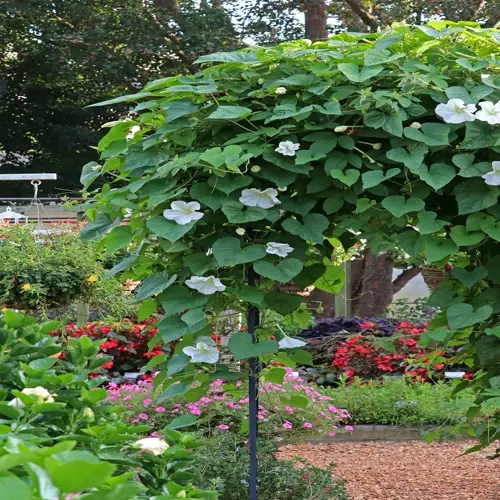

"That back corner of yours is a proper Miyawaki forest," my neighbor said over the fence. He nodded at the layered green tangle. I told him it was a food-forest guild. It grows around three apple trees, with currants and comfrey packed below them for fruit, not native restoration. He went quiet. Then he asked what the difference was. That fence chat is the whole answer. The core split between Miyawaki and permaculture is purpose. The Miyawaki method grows a dense native forest fast. Permaculture is a broad design system for productive, self-sustaining land.
I see that back corner from my kitchen window every morning. After eight years of watching it grow, Miyawaki and permaculture have never blurred for me. One is a planting recipe with a single job. The other is a way to lay out a whole site. It feeds you, and it runs itself once the parts settle in.
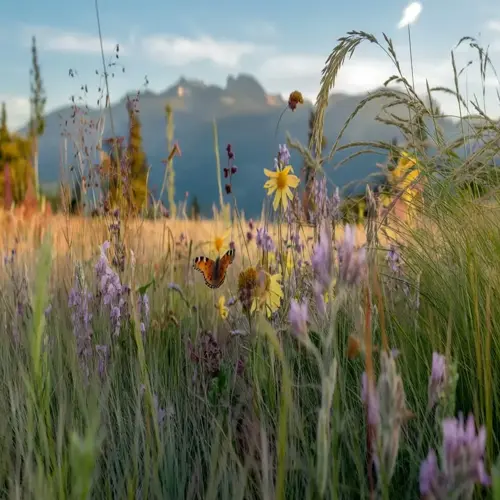
The Miyawaki method packs many native species into a small plot. The density is high, often three to five plants per square meter. The young trees fight for light. They race upward and form a layered woodland in years, not decades. The goal is to bring back native forest and wildlife. You rebuild the kind of woodland that once grew on that ground. Then you step back and let it run wild on its own.
Permaculture works at a wider scale. Its aim is whole-system design for food, habitat, and daily use. You split the site into zones based on how often you walk to each part. Then you plan water flow, soil, food forests, and the food you harvest. The pieces are set up to support each other. A permaculture plan might hold a pond, a vegetable bed by the door, a few chickens, and a fruit guild like my back corner.
The concrete contrasts make the split clear. Miyawaki aims at fast native woodland on small plots. There is no harvest in mind, so you plant it and leave it. Permaculture spans your whole site, your water systems, and the yields you actually eat. One rewilds a patch. The other designs a working landscape around the people living on it. Both build healthy soil and pull in pollinators, so you can run them side by side on one property if you have the room.
People often frame this as permaculture vs Miyawaki, as if you must pick a winner. You don't. They answer different questions. Miyawaki asks how you restore a forest fast. Permaculture asks how you feed a household and care for the land at the same time. If you want fruit and vegetables off your plot, you lean permaculture. If you want a wild native thicket, you lean Miyawaki. My apple guild sits hard on the permaculture side, which is exactly why my neighbor guessed wrong.
- Grows dense native forest fast on a small plot.
- Aims at restoration and biodiversity, not harvest.
- Best when you want to rewild a patch quickly.
- Plant once at high density, then step back and let it run.
- Designs a whole productive, self-sustaining site.
- Plans food, water, habitat, and human use together.
- Best when you want a garden that feeds you.
- Maps zones and yields, then tends the system over time.
So pick by what you want from the ground. Choose the Miyawaki method when you want to turn a bare patch into native woodland in a hurry. It is your fast route to bringing wildlife back. Choose permaculture when you want a garden that grows your food and runs on its own. Start with your zones, your water, and the crops you most want to eat. My back corner sits on the permaculture side. The apples we pick each fall settled that fence debate for good.
Read the full article: Permaculture Garden: A Complete Guide