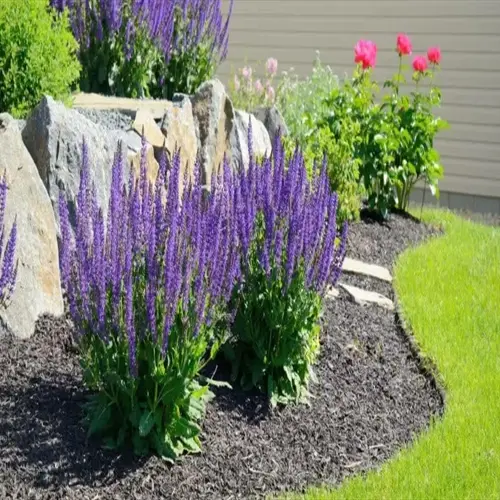

The best gravel garden plants are the dry-loving species built for lean, fast-draining ground. Think Mediterranean herbs and alpine drought tolerant plants that hate wet feet. These plants thrive in gravel because it gives them the sharp drainage and bright sun they crave. If you pick the right ones, you get a bed that almost takes care of itself.
You'll notice gravel heats up fast in the sun and drains the moment it rains. Water runs straight through it instead of pooling around the roots. That dry, warm, lean setting is exactly what plants from rocky hillsides and sunny slopes grew up in. The same species that flourish on a baking Mediterranean cliff will settle right into your gravel bed. So will tough alpine plants from open scree. You are giving them home ground, not asking them to adapt.
Here is the technical reason it works so well. Most plants rot when their crown sits in soggy soil through a cold, wet winter. That crown is the spot where stems meet roots, and it stays wet far too long in heavy ground. Gravel keeps that crown dry and lifts it just above any standing water. The stones also soak up daytime heat and radiate it back at night, which many sun-lovers enjoy. Take away the constant damp and you remove the single biggest cause of plant death in these beds.
Some plants are made for this job. Creeping thyme spreads into a low, fragrant mat and shrugs off heat with ease, and you can even walk on it. Sedum stores water in its fleshy leaves and asks for almost nothing from you. Lavender loves the warm, dry roots and pays you back with scent and bees all summer long. Dianthus throws out spicy pink flowers right at the gravel's edge. For texture, blue fescue and other ornamental grasses form tidy clumps that catch low evening light.
Plant them the right way and they last for years. Don't just sit your plants in loose stone and hope. Dig down through the gravel mulch and set the roots into improved soil underneath, where they can anchor and feed. A little compost or grit worked into that base soil makes a huge difference in the first season. Then pull the gravel back over the surface in a layer of 2 to 3 inches, which keeps weeds down and the crown bone dry.
Give each plant room to spread on its own slow timeline. Space spreaders like thyme about 12 inches apart so they knit together over a season or two without crowding each other out. Tight planting looks full and lush on day one, but it turns into a tangled mess that traps damp air around the stems. That trapped moisture is the very thing your gravel was meant to prevent, so leave the gaps and let the plants fill in. You'll thank yourself by the second summer.
One last warning before you shop. Skip the moisture-lovers no matter how much you like them. Hostas, ferns, astilbe, and most leafy woodland plants will sulk, brown at the edges, and slowly fade in dry gravel. They want steady damp, and your bed is built to drain that away. Match your plants to the heat and the well drained soil below the stones. Do that, and your gravel garden plants turn into one of the easiest, lowest-water beds you will ever grow. Choose dry-loving species, plant them deep, space them wide, and the gravel does the rest of the work for you.
Read the full article: Best Rock Garden Plants for Any Yard