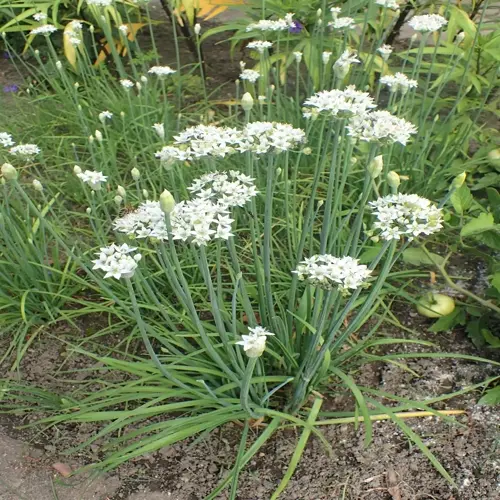

"This salsa tastes like dish soap." One guest pushed the bowl across the table while the rest of us kept dipping chips. I grew the Slow Bolt cilantro for that batch in my own back raised bed and chopped a fat handful into it. Five of us tasted fresh, bright herb. She tasted a sink full of suds. I noticed she would not touch the bowl again all night. Same bowl, same leaves, same plant, same bed.
The reason cilantro tastes like soap to her and not to me comes down to inherited genetics. Your DNA shapes how your nose reads the herb, so the divide sits in the taster, not in the plant. No amount of better growing or rinsing will erase it for someone wired to taste soap.
Here is what happens inside your nose. The herb gives off scents we call aldehydes. One of them, (E)-2-decenal, drives most of the smell you get. Some people carry a gene variant named rs72921001. It sits next to a group of smell genes in your DNA. That group holds the OR6A2 gene, and it reacts to these scents.
When you carry that variant, your receptors lock onto the cilantro aldehydes. They flag the herb as soapy, not fresh. It is not a trained dislike or a picky palate. The herb hits a receptor that reads it like the scent of soap. So the leaf smells green to one person and like a cleaning product to the next.
A 2012 study by Eriksson and a team of researchers pinned this down. They looked at more than 14,000 people of European background. Then they ran the test again in nearly 12,000 more to confirm it. The gene they found near OR6A2 showed a clear link to the soap reaction you might have. But it explained only about half a percent of why your taste differs from the next person. So most of the gap comes from things other than this one gene.
That last point trips up a lot of people. The famous gene is real, but it is a small slice of your story. Your upbringing and how often you eat the herb both push on what you taste. The aldehydes are not made-up villains either. The same family of compounds shows up in the defensive spray of some bugs. That is why you might pick up a sharp, buggy note on top of the soapy one. Most of the difference in what you taste still comes from outside your genes.
If you are a soap-taster who still wants cilantro in your food, you have real options. Crush or bruise the leaves before you add them, since breaking the cells lets some of the offending aldehydes break down and fade. This softens the cilantro soapy taste for many people. Cooking the herb into a hot dish helps for the same reason.
Crushing leaves with the flat of a knife cuts the soapy aldehydes, and repeated small exposures train many people to tolerate the flavor over time. Rinsing or careful chopping alone will not change a perception you inherited.
I tried this with my soap-tasting guest the next summer. I bruised the cilantro hard with a knife before it went in the bowl. She still picked up the soap, but it was fainter, and she finished a small scoop. That fits what the science says. You cannot turn off the OR6A2 gene, yet you can blunt the smell that sets it off. Cooked dishes and dressings hide it better than a raw garnish does.
Repeated exposure is the bigger lever. Plenty of people who once gagged on the herb grew to like it after eating it in small amounts again and again over months. Your genes do not move, but your brain learns to file the smell as food. So start small, bruise the leaves, and give it time before you write cilantro off for good.
Read the full article: Cilantro Plant: Complete Growing Guide