Vegetable · Brassicaceae
Broccoli Rabe
Brassica rapa Ruvo Group
Plant it in the cool ends of the season, cut while the buds are still tight, and broccoli rabe pays you back with sharp, savory greens.
Full sun
Every 2–4 days
39–75°F · 4–24°C
40–60 days
Overview
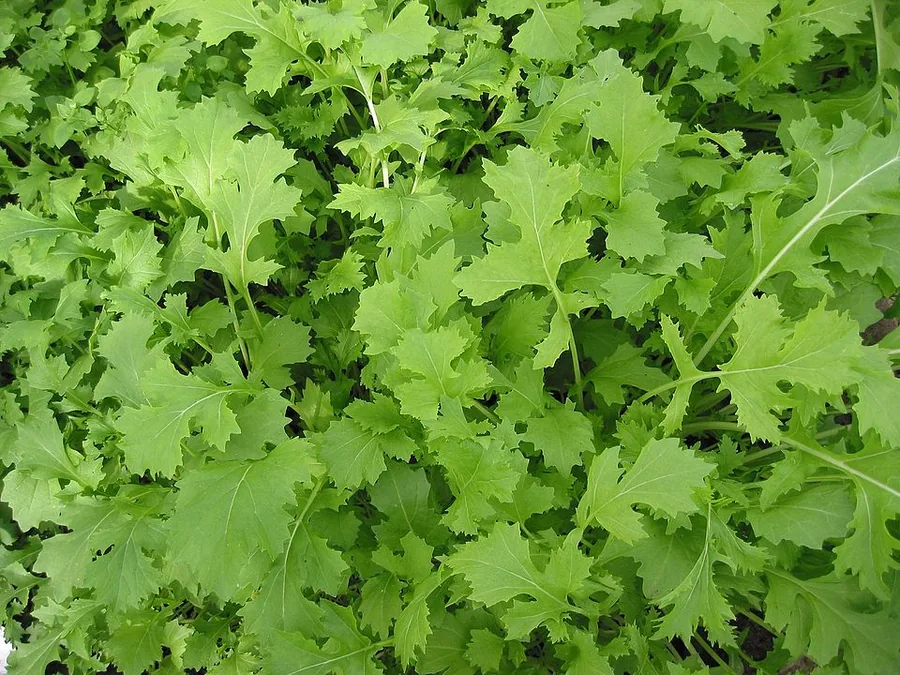
Broccoli rabe might look like a loose, leafy broccoli, but it's actually a member of the mustard family and a much closer cousin to the turnip. Gardeners grow it for the entire shoot, the leaves, the slender stems, and the bunches of tight flower buds, all with that signature bite that softens into something mild and nutty once it's cooked. You'll often spot it labeled as rapini or cime di rapa, too.
It grows quickly and doesn't ask for much, so it's a pretty forgiving crop if you're just starting out. The one thing to nail is timing. This is a cool-season vegetable that bolts and flowers as soon as things heat up, so it really shines in the cooler stretches of spring and fall instead of the middle of summer.
Nail the season and everything else tends to follow. With steady moisture, decent soil, and a good eye for when the buds are ready, you'll have tender, savory greens in well under two months.
Care
The short version: full sun and cool weather, plus rich, evenly moist soil and a balanced feed mixed in at planting. Snip the budded shoots while the buds are still tight, and aim your sowings for spring and fall so you sidestep the heat.
Light
Give broccoli rabe full sun and it'll grow its best, though it handles a touch of partial shade just fine. Later in the season, that bit of light shade can actually buy you a little extra time before the heat tips it into bolting.
Water
Keep the soil evenly moist by watering every 2 to 4 days, and don't let it dry out between drinks. Drought stress is the quickest route to early bolting and split, bitter heads, so being consistent matters more than soaking it.
Soil
Set it into fertile, well-drained loam loaded with compost and organic matter. It's relaxed about acidity and does well anywhere across a pH of 6.0 to 7.5.
Temperature
This is a cool-season crop that's happiest from about 39°F to 75°F (4°C to 24°C). Take it much higher and it bolts, which is exactly why it does so well in spring and fall instead of summer.
Humidity
Regular outdoor air works fine for it, so there's no humidity number to chase. What really counts is steady soil moisture, not anything happening in the air around the leaves.
Feeding
Mix compost or a balanced nitrogen fertilizer into the bed at planting, and that covers most of what it needs. A compost side-dressing partway through growth gives it a nice lift, but keep it light, since too much nitrogen invites aphids.
Pruning
Here's where the harvest does double duty as pruning. Cut the central budded shoot while the buds are still tight, and the plant sends out tender side shoots to take over. Trim off any stalk that starts to flower so the rest stays mild and keeps coming.
Repotting
not_applicable
Size & spacing
Plants grow 18 to 30 inches (45 to 75 cm) tall and stay on the slim side. Thin or space them about 6 to 12 inches (15 to 30 cm) apart so each one has the room to fill out.
When to plant
More than most crops, broccoli rabe lives by the calendar. Sow it in early spring as the soil warms up, then again in late summer for fall picking, and just skip the hot middle of the year, when heat sends it racing to flower.
Northern hemisphere
Southern hemisphere
Typical months for a temperate climate: start earlier in warm zones, later where spring frosts linger.
- Sow: Optional: 4-6 weeks before transplanting, though the crop is usually direct-sown
- Plant: Early spring (about 2-4 weeks before last frost) and again in late summer/fall; cool-season crop that bolts and flowers fast in heat
- Harvest: Cut the budded shoots while the flower buds are still tight and green, before the yellow flowers open
Hardiness
USDA hardiness zones: 3–10
Temperature: down to -40°C
Troubleshooting
Pretty much everything that trips up broccoli rabe turns up on the leaves or in shoots that flower too early. Spot the early signs and most of it is easy to nip in the bud. Find what matches below, then step in before it spreads.
Little round holes scattered all over the leaves
Those pinprick holes are down to flea beetles, tiny black bugs that hop off the second you nudge the plant. Young seedlings take the worst of it, so drape new sowings with floating row cover and keep the moisture steady so the plants can just grow past the damage.
Fix:
- Cover seedlings with floating row cover at sowing
- Keep plants vigorous with even moisture to outgrow damage
Chewed-up leaves with green caterpillars and dark specks
Green caterpillars munching the leaves are most likely cabbage loopers, imported cabbageworms, or diamondback moth larvae, and those white butterflies drifting around are busy laying the next round. Pluck the caterpillars off by hand, and if they start outpacing you, spray Bacillus thuringiensis to bring them back in check.
Fix:
- Handpick caterpillars
- Apply Bacillus thuringiensis (Bt)
Buds opening too soon and the greens going bitter
A warm snap can coax those buds open into yellow flowers before you ever get to harvest, and that's the plant bolting, with the shoots turning bitter right alongside it. Cut everything fast while any buds are still closed up tight. Aim your sowings at the cool ends of the season and hold the soil evenly moist to keep this at bay.
Fix:
- Harvest immediately while buds are still tight
- Sow during the cool part of the season
The entire plant shooting up to seed in the heat
Push a cool-season crop into warm weather and it'll bolt all at once, shooting up tall and flowering everywhere you look. That's heat-driven bolting, and once it happens there's no undoing it. Pull the whole planting at once and point your next sowings straight at the cool windows instead.
Fix:
- Harvest the entire planting promptly
- Time future sowings for cooler weather
Sticky, curled leaves packed with little bugs
See those soft clusters bunched on the shoot tips and the undersides of leaves? Those are aphids, and the tacky residue they leave is honeydew. A strong jet of water knocks most of them loose, and if the count keeps creeping up, insecticidal soap is your next move. Go easy on the nitrogen, too, because all that soft new growth is exactly what pulls them in.
Fix:
- Wash off with a strong spray of water
- Apply insecticidal soap if populations build
Toxicity
Nothing to worry about here at all. Broccoli rabe is a simple edible vegetable, safe to grow and handle around pets, livestock, and kids, and the ASPCA doesn't flag it as toxic. The leaves, stems, and buds are the bits people actually eat.
Safe for
People · Cats · Dogs · Horses · Rabbits · Livestock · Birds
Cats None
No need to fret over this one. If a nosy cat takes a bite of a leaf, it'll be perfectly fine.
Dogs None
It's fine for dogs, and a couple of swiped leaves won't cause any drama. As with any new food, a big mouthful could just mean a little passing gas.
Horses Safe
Horses can nibble the leaves no problem. There's nothing toxic in the plant that bothers them.
Rabbits Safe
It's a nice leafy green for rabbits in reasonable portions, served alongside their regular hay and pellets.
Livestock Mild
Cattle, goats, and sheep can eat it just fine as part of a varied diet. The one thing to watch is heavy, ongoing grazing on brassica forage, since the natural goitrogens can start to affect thyroid function over time.
Birds Safe
Backyard hens and other birds can peck away at the leaves and buds with nothing to worry about.
People Safe
It's a vegetable, of course. The leaves, stems, and tight flower buds are all good eating, and folks usually blanch then saute them to mellow out the bitterness.
Safe to handle and grow around pets and children; the leaves, stems, and buds are commonly eaten.
Varieties
Most broccoli rabe just gets sold as plain rapini, but a couple of named picks are handy to know for how fast they mature and how well they shrug off bolting.
Spring Raab
A bolt-resistant choice for spring sowing that's quick off the mark, ready in around 40 to 45 days.
Zamboni
It forms tidy, small-leaved plants and ripens across a longer window of roughly 45 to 70 days.
How to propagate
Broccoli rabe is about as easy as crops get to start, since it goes right into the ground from seed with no fuss and no transplanting to deal with.
SeedEasy
Direct-sow in early spring and again in late summer for a fall crop · About 7-14 days to germinate and 40-60 days to harvest
Broccoli rabe could hardly be easier to start, since you just sow it right where it'll grow. Tuck the seed about a quarter to half an inch deep, and after it pops up in 7 to 14 days, thin the plants to around 6 inches apart. Sow once in early spring and again in late summer, and if you stagger small batches a couple of weeks apart, you'll get a steady stream of harvests across the 40 to 60 days each planting needs to mature.
Myths
Broccoli rabe is just a type of broccoli.
Even though the name and the look suggest otherwise, it isn't broccoli at all. It's actually a quick-growing turnip relative, Brassica rapa in the Ruvo Group, grown for its leaves, stems, and young flower buds rather than any tight green head.
It's fine to let the buds bloom and still enjoy the flavor.
Once those buds pop open, the quality drops off and the shoots go sharply bitter. Cut while the buds are still tight and green if you want the mildest, most tender greens.