Ornamental · Poaceae
Japanese Blood Grass
Imperata cylindrica 'Rubra'
Give it full sun and even moisture, and the blades light right up blood-red from the tips down.
Full sun
Every 5–10 days
USDA 5–9
12–18 in · 30–46 cm
Overview
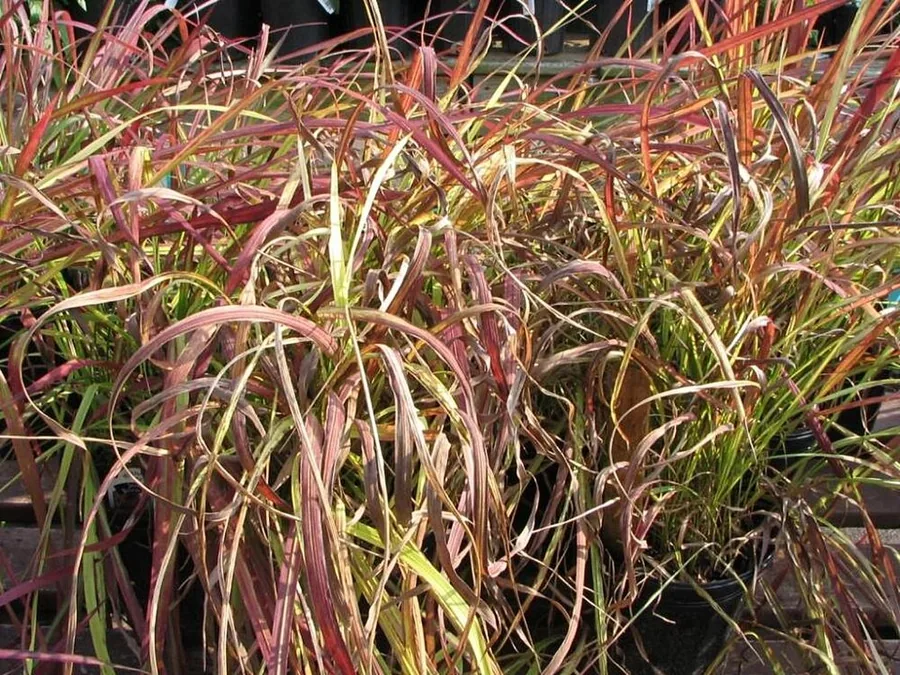
Why grow Japanese blood grass? Really, it comes down to the color. The slim upright blades start out green near the base and turn a deep blood-red from the tips down, and the whole clump seems to glow when the low sun catches it from behind. It's a grass, so it forms a neat little mound around knee height, and it's slow enough that it stays put where you plant it.
It's a tough perennial that doesn't mind real cold at all, coming through winters as low as -20°F (-29°C) and popping back from the roots every spring. Once it's settled it barely asks for anything, though it holds its color best in full sun with steady moisture. As an ornamental it looks great at the front of a bed, or set against something darker that makes the red stand out.
There's one thing that sets it apart from your average ornamental, and it's a big one. The red cultivar can revert to its wild green form, cogongrass, which is a federal noxious weed and one of the most destructive invasive grasses anywhere. The plant itself won't hurt people or pets, but the legal and invasive side is very real, and it's all covered below.
Care
The short version: full sun for the deepest red, soil kept evenly moist, and one cutback in late winter. Keep an eye on the clump for any green shoots and pull them the second they show up.
Light
Put it in full sun and you'll get the best color, hands down. The blades will take a bit of shade, but go any heavier than light shade and the red starts fading toward green, which kind of defeats the whole point.
Water
Keep the soil evenly moist, giving it a drink roughly every 5 to 10 days depending on the weather. A settled clump will ride out a short dry spell no problem, but steady moisture is what gets you the best color and the strongest growth.
Soil
It's happiest in fertile, well drained loam that stays a little moist. Anywhere from pH 5.5 to 7.0 works fine, which honestly covers most normal garden soil.
Temperature
This is a seriously tough, cold-hardy grass that copes with a huge range, from a deep winter low of -20°F (-29°C) all the way up to summer highs around 100°F (38°C). It dies back in winter and bounces back from the roots each spring.
Humidity
Regular outdoor humidity is all it wants, so there's really nothing to fuss over here. It takes average garden air completely in stride.
Feeding
One feed of balanced general-purpose fertilizer in spring is plenty. No need to keep feeding it all season, since the grass just chugs along at its own steady, moderate pace.
Pruning
Cut the whole clump down to the ground in late winter, before the new growth kicks off. The one job you really can't skip is pulling out any all-green shoots the second you spot them, since they mean the plant's reverting to the invasive form.
Repotting
If it's in a container, divide and freshen the clump every 2 to 3 years, or sooner if the roots fill the pot or the middle starts to die out. Splitting it keeps the plant vigorous and the color nice and strong.
Size & spacing
You're looking at a clump around 12 to 18 inches (30 to 46 cm) tall that spreads 12 to 24 inches (30 to 60 cm) wide. Give each plant that much room so the mound can fill out without getting crowded.
When to plant
Pop Japanese blood grass in the ground in spring once the last frost's out of the way, and it'll settle in over that first growing season. It rarely flowers when grown in gardens, so there's no bloom to sit and wait for. Cut the clump right down to the ground in late winter, and fresh red growth pushes up as things warm up.
Northern hemisphere
Southern hemisphere
Typical months for a temperate climate: start earlier in warm zones, later where spring frosts linger.
- Plant: spring after last frost
- Harvest: rarely flowers in cultivation
Hardiness
USDA hardiness zones: 5–9
Temperature: down to -29°C
Troubleshooting
Most of what goes sideways with this grass is either weak color or, more seriously, the plant trying to slip back into its invasive green parent. It's worth learning to tell those two apart, because one's an easy fix and the other means you need to move quickly. Match up what you're seeing below and deal with it while it still counts.
Green blades popping up in the red grass
See those strong green shoots? That's the plant reverting to cogongrass, the wild green form and one of the worst invasive grasses out there. Get every green shoot out the moment you notice it, rhizomes and all, then bag it up and put it in the bin. Don't compost it, and keep checking back on that spot, because the green stuff really does travel underground.
Fix:
- Dig out the green-reverting shoots immediately, including rhizomes
- Bag and destroy all removed material; do not compost
- Monitor the area repeatedly for regrowth
It might be illegal or weed-listed where you are
Here's the thing worth checking first: the species is a federal noxious weed, so you can't legally sell it or carry it across state lines, and lots of states ban even the ornamental form. In its cogongrass shape it packs into thick, fire-prone stands that crowd out native plants. So look up your state's rules before you plant or move it, give the southeastern US a wide berth, and pull and destroy any plant where it isn't allowed.
Fix:
- Verify local and state legality before planting or moving the plant
- Do not plant in or near the southeastern US
- Remove and destroy plants where prohibited
Washed-out color instead of deep red
Color looking a bit pale? Nine times out of ten it's just not enough sun. Give it full sun and the blades go the deepest blood-red, while a clump stuck in heavy shade tends to stay mostly green. Shift it somewhere brighter and sunnier, keep the soil evenly moist, and the color comes right back.
Fix:
- Relocate to a site with full sun for best red color
- Ensure soil stays evenly moist
Toxicity
Good news on the safety side: Japanese blood grass is not poisonous to people or pets, and the ASPCA doesn't list it as a toxic plant. A nosy cat or dog might cough up a little grass after a chew, but that really is it. The thing to actually worry about here isn't poison at all, it's how easily it can turn invasive, so have a read of the section above on reversion and state law.
Safe for
People · Cats · Dogs · Horses · Rabbits · Livestock · Birds
Cats None
Cats are fine around it. If one chews a blade and coughs up a bit of grass, that's just what cats do with any plant, and it isn't poisoning.
Dogs None
There's nothing toxic here for dogs. A stray mouthful might give a bit of mild tummy upset, and that's about the extent of it.
Horses None
Horses are fine too, since the grass doesn't carry any of the toxins you'd find in a lot of other ornamentals.
Rabbits None
Rabbits can nibble away happily, because there's nothing toxic in it for them.
Livestock None
Cattle, goats, and sheep won't be poisoned by the leaves at all.
Birds None
Birds are safe around it, with nothing in the leaves or seed that would poison them.
People None
It's fine to handle and fine to have where kids play. Nobody's growing it to eat, and the only thing to keep half an eye on is pollen if anyone's prone to hay fever.
Not chemically poisonous; pets that nibble grass may vomit or have mild stomach upset, and grass pollen can affect allergy-prone individuals. The real risk with this plant is invasiveness and legality, not toxicity.
Varieties
There are basically just two forms worth knowing, and honestly the difference between them is the whole story of this plant.
Red Baron
This is the everyday ornamental you'll actually plant, with slim upright blades that go blood-red from the tips down and light up when the sun shines through them from behind.
Imperata cylindrica (species, cogongrass)
The plain green wild form is a federal noxious weed and one of the worst invasive grasses anywhere, building thick fire-prone stands, and it's exactly what the red cultivar can drift back into.
How to propagate
There's really just one way to make more of this grass, and that's splitting the clump, which is easy enough as long as you keep an eye out for any green-reverting growth.
DivisionEasy
Spring · One growing season
Splitting the clump in spring is your only real way to get more, since this cultivar hardly ever sets seed you can use. Just lift a settled clump, break it into sections, and replant, and each piece gets going over a single growing season. And if any division shows green reverting growth, toss it rather than handing it on.
Myths
The red version of this grass is totally safe and pretty much looks after itself.
The safe part is true enough, since the red form really isn't toxic to pets. What it can do, though, is revert to the aggressive green cogongrass, plus the species is a federal noxious weed, and plenty of states ban or restrict selling it. What you're really watching for is invasiveness and legality, not poison.