Herb · Lamiaceae
Oregano
Origanum vulgare
Give it sun, lean soil, and a dry root run, and oregano pretty much grows itself.
Full sun
Every 7–10 days
80–90 days
USDA 5–10
Overview
Oregano's a hardy perennial from the mint family, and it hails from the warm, rocky hills around the Mediterranean. That sunny, stony background basically tells you how to grow it: it wants heat, plenty of light, and soil that drains fast. And here's the fun part, treat it a little rough and the flavor only gets better.
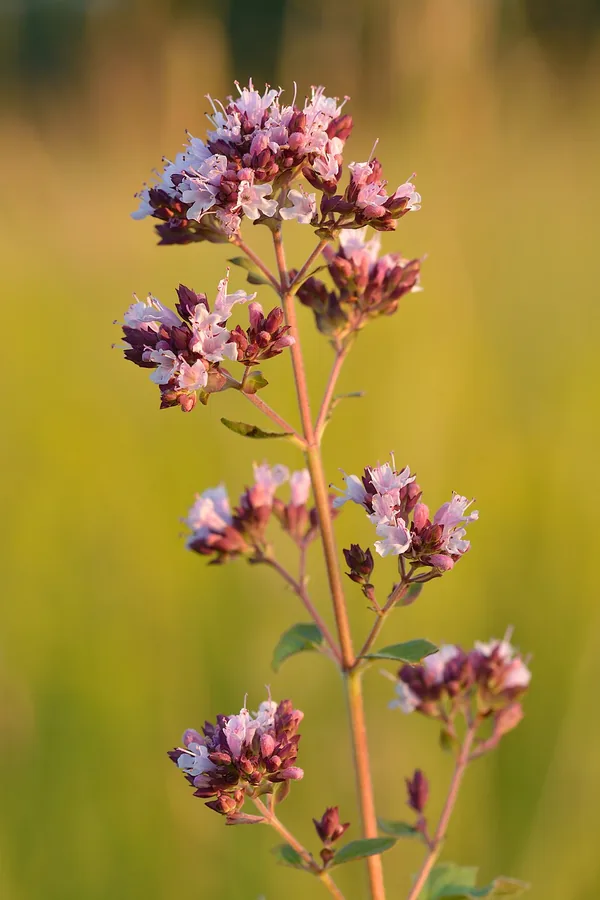
It pulls its weight in the kitchen and the garden both. The leaves bring that warm, peppery kick you taste in so much Italian and Greek food, and if you let the plant flower, those little white or pink blooms bring in bees and other pollinators. Leave it alone and it spreads into a low, bushy mat that sticks around for years.
Best of all, oregano barely asks for anything. It handles drought once it's settled, doesn't want rich feeding, and hardly ever gets pests. The two things it really can't stand are soggy roots and deep shade, so pop it somewhere sunny where the water drains right off.
Care
The short version: full sun, lean and sharply drained soil, and a deep drink only once the top half's dried out. Feed it lightly if at all, pinch it often so it stays bushy, and it'll keep going for years.
Light
Oregano wants full sun, ideally 6 or more hours a day, and that's what brings out the oils that give the leaves their bite. It'll put up with a little partial shade, sure, but the plant grows looser and the flavor comes out weaker, so sunnier's always better.
Water
Once it's settled in, oregano is drought tolerant and honestly way happier dry than wet. Water it deeply, then just wait until the top half of the soil dries out before you water again, usually every 7 to 10 days. Soggy ground is the quickest way to rot the roots, so when in doubt, hold off.
Soil
Give it well-drained sandy or loamy soil and skip the rich stuff, because lean ground actually makes the flavor sharper. A pH anywhere from 6.0 to 7.5 suits it just fine. What really matters is that the water drains away quick.
Temperature
Oregano handles a big range, from about 30°F to 84°F (-1°C to 29°C), and once it's established the roots come back after winter in its hardiness zones. A hard frost'll knock the top growth down, but don't worry, the plant bounces back in spring.
Humidity
It likes low humidity, around 30% to 50%, which fits right in with its dry Mediterranean roots. Damp, stagnant air just invites mildew and pests, so give it some room and keep the air moving.
Feeding
This one's a light feeder that actually does better on poor soil, so go easy. One light dose of balanced fertilizer like 5-10-5 in spring is plenty, and too much nitrogen just gives you soft leaves with less flavor.
Pruning
Pinch and harvest often, cutting stems just above a leaf node so the plant stays bushy instead of leggy. Cut back any woody, bare stems, and snip off flower buds before they open if you want the leaves as flavorful as they get.
Repotting
Potted oregano only needs bumping up every 2 to 3 years, once the roots start circling or poking out the drainage holes, the leaves shrink, or the soil dries out almost the second you water it. Just refresh it with a gritty, free-draining mix.
Size & spacing
A grown plant stands about 12 to 24 inches (30 to 60 cm) tall and spreads to roughly the same width. Give each one 12 to 24 inches (30 to 60 cm) of space so air moves around freely and the leaves stay dry.
When to plant
Oregano's a tough perennial, hardy all the way through zones 5 through 10, but the young plants still like a bit of warmth to get rolling. Start seeds indoors 6 to 8 weeks before your last frost, put plants out once the cold's gone, and pick leaves all summer, grabbing them just before the flowers open when the flavor's at its peak.
Northern hemisphere
Southern hemisphere
Typical months for a temperate climate: start earlier in warm zones, later where spring frosts linger.
- Sow: 6-8 weeks before last spring frost
- Plant: spring after danger of frost has passed
- Harvest: Small white to pink flowers in summer; harvest leaves before flowering for best flavor.
Hardiness
USDA hardiness zones: 5–10
Temperature: down to -29°C
Troubleshooting
Oregano stays healthy with hardly any effort, and most of its problems trace right back to too much water or not enough light. Spot the early signs on the leaves, stems, or roots and the fix is usually quick. Just match what you're seeing below and jump on it before it spreads.
Droopy plant with dark, mushy roots
If the plant's wilting but the soil still feels damp, that's almost always root rot, and it comes from overwatering or soil that just won't drain. Pop the plant out and take a look, because healthy roots are firm and white, not dark and squishy. Trim off the bad bits, get it into gritty, fast-draining soil, and then go a lot easier on the watering.
Fix:
- Remove affected plant material
- Replant in well-drained soil or amend with grit
- Reduce watering frequency
Long, woody stems that have gone bare
When the stems get leggy and woody at the base with hardly any leaves, it usually means they haven't been trimmed in a while, often because the plant isn't getting enough light. Too much nitrogen doesn't help either. Just cut the stems back to above a leaf node so it fills back out, move it somewhere sunnier, and lay off the fertilizer.
Fix:
- Cut back stems above a leaf node to encourage bushy regrowth
- Move to a full-sun location
- Reduce fertilizer
Speckled leaves with a bit of fine webbing
See a sandy, speckled look with some faint webbing? That's usually spider mites, and they love hot, dry weather and indoor conditions. If it's soft little clusters on the new growth instead, you're probably looking at aphids. Either way, give the leaves a good hard rinse, hit whatever's left with insecticidal soap, and keep the air moving so they don't come right back.
Fix:
- Rinse foliage with a strong spray of water
- Apply insecticidal soap to affected leaves
- Increase air circulation and reduce dustiness
Leaves going bland once the buds show up
Once oregano starts blooming, it puts all its energy into the flowers and the leaves quietly lose their flavor. Want to keep that from happening? Just pinch the buds off before they open. And if you're after the boldest taste, grab your leaves right as the plant is getting ready to flower.
Fix:
- Pinch off flower buds before they open
- Harvest leaves just before flowering
Toxicity
For people, oregano's a safe kitchen herb you can cook with all you want. For pets, though? Different story. The ASPCA lists it as toxic to cats and dogs, because the essential oils irritate the gut and can cause mild vomiting or diarrhea if a pet eats a lot. The concentrated oregano oil is the bigger worry, so just keep that out of reach of all your animals.
Toxic to
Cats · Dogs · Horses · Rabbits · Livestock · Birds
Safe for
People
Cats Mild
One little nibble usually won't cause any drama, but a cat that keeps munching might drool, throw up, or end up with loose stools. What you really want to watch is the concentrated essential oil, so tuck that away somewhere safe.
Dogs Mild
If a dog eats a real mouthful of the plant, it can end up with an upset stomach, some vomiting, and diarrhea. A scrap off the dinner plate? No big deal. The bottled oil, though, is another thing entirely, so keep it out of reach.
Horses Caution
Those same aromatic oils that don't sit well with cats and dogs could bug a horse's gut too, so it's best to just leave it off the menu. A quick taste out in the field probably won't hurt anything, though.
Rabbits Caution
Rabbits have pretty touchy tummies, and a strong herb like oregano can throw things off. If you offer any at all, keep it to a tiny bit, and just keep an eye out for soft stools or a rabbit that's gone off its food.
Livestock Caution
Most grazing animals steer clear of the pungent leaves on their own, so a stray mouthful is nothing to sweat. Eating a whole lot could bring on some mild stomach upset, but that's about it.
Birds Caution
Pet birds are little, and concentrated plant oils hit them hard, so keep any oregano oil far away from them. A bit of fresh leaf here and there is usually fine, though, as long as you don't overdo it.
People Safe
For folks, oregano is just a kitchen staple, and you can use it fresh or dried in any amount you'd actually cook with. The only thing that needs a careful hand is the concentrated essential oil, since it's strong and meant to be diluted.
Normal culinary amounts of fresh or dried leaf are generally not a concern; concentrated oregano essential oil is the bigger hazard to pets.
Helpline numbers

United States
ASPCA Animal Poison Control: (888) 426-4435 (fee applies)

United Kingdom
Animal PoisonLine: 01202 509000 (fee applies)

Australia
Animal Poisons Helpline: 1300 869 738
Varieties
Most of what gets sold as oregano falls into one of two camps, and the real difference comes down to flavor. Here are the two worth telling apart.
Greek oregano (Origanum vulgare subsp. hirtum)
This is the white-flowered, pungent one, and it's what you want when you're after that bold oregano taste cooks love.
Common oregano / wild marjoram (Origanum vulgare subsp. vulgare)
Its pink flowers make it a sweet, bee-friendly plant to have around, but the leaves are milder and can taste a little flat when you cook with them.
How to propagate
Oregano's easy to make more of, but how you do it really matters for flavor. Splitting or rooting a plant you already like gives you an exact copy, while seed is more of a roll of the dice.
DivisionEasy
Early spring or fall · 2 to 4 weeks
Division is the safest bet if you've got a plant you love, because it copies the parent's flavor exactly. In early spring or fall, just dig up an established clump, pull it apart into rooted sections, and replant each one. Give them a little while and the new divisions settle in within 2 to 4 weeks.
Stem cuttingsEasy
Late spring to summer · 2 to 4 weeks
Anytime from late spring through summer, snip a few soft, non-flowering shoots off a plant whose flavor you already like. Stick them in a moist, well-drained mix and they'll root in 2 to 4 weeks. And like division, you'll get an exact copy of the parent.
SeedModerate
Start indoors 6-8 weeks before last frost · 2 to 3 weeks to germinate
You can start oregano from seed indoors 6 to 8 weeks before the last frost, and those tiny seeds usually sprout in about 2 to 3 weeks. Here's the catch, though: seed-grown plants are hit or miss on flavor and often bland, so if you want a sure thing, division or cuttings beat a seed packet.
Myths
Oregano is safe for pets because it is a common kitchen herb.
Just because it's fine on your plate doesn't mean it's fine for your pets. The ASPCA actually lists oregano as toxic to cats and dogs, since those essential oils irritate the gut and can cause mild vomiting and diarrhea if a pet eats a good bit of it. The concentrated oil is the real problem, so keep that bottle out of reach.
Any oregano grown from seed will taste like the strong oregano used in cooking.
Wouldn't that be nice? But common oregano from seed often comes up bland and all over the place, without the punch you're hoping for. If you want oregano that tastes strong every time, just divide or take cuttings from a plant you already know is good.