Ornamental · Poaceae
Tall Fescue
Festuca arundinacea
Tough as nails and green through heat and cold, tall fescue is about the most low-maintenance lawn grass around.
Full sun
Every 5–10 days
61–75°F · 16–24°C
60–90 days
Overview
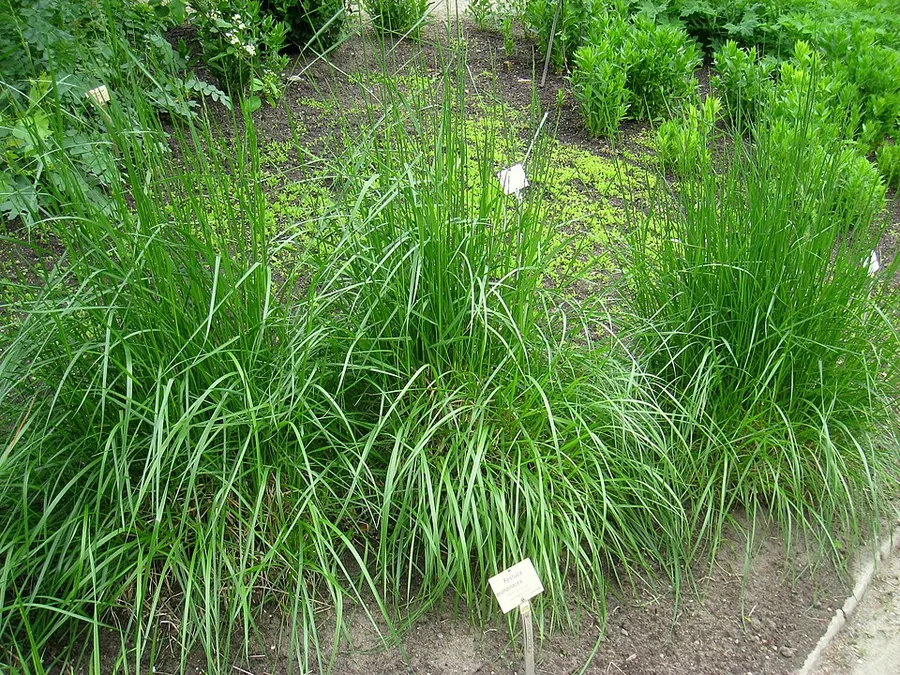
So what makes tall fescue such a popular lawn grass? It's a cool-season bunch grass that sends roots way down, so it pulls water from deep in the soil and handles heat and dry weather better than most grasses out there. It even stays green into fall and winter while the warm-season lawns nearby turn brown and go dormant. On top of that, it puts up with more shade, clay, and poor soil than its neighbors, which is why you'll see it on so many yards and ball fields.
There's one quirk worth knowing about, though. Tall fescue grows in clumps and only spreads by short rhizomes, so it can't creep over a bare patch the way some grasses do. That just means a yearly fall overseeding is part of the deal, and honestly it's not much work. Get the density right and you'll have a thick, tough lawn that handles plenty of foot traffic.
Here's the thing to sort out before planting for animals. Most older tall fescue carries a fungal endophyte that makes the grass tough and bug-resistant, but it also makes toxins that are hard on grazing horses and cattle. A regular lawn is totally safe for your pets and kids, but if it's pasture you're after, just go with an endophyte-free or novel-endophyte cultivar.
Care
The short version: give it full sun to part shade, mow it tall at 3 to 4 inches, water deep but not often, feed mostly in fall, and overseed the thin spots every fall so it stays nice and thick.
Light
Tall fescue loves full sun, but it's more forgiving of shade than most lawn grasses, so it'll hang in there in partial sun and even partial shade. Got a shady corner? Just mow it a bit taller so it can reach for the light and stay full.
Water
Water it deep but not often, soaking the root zone instead of giving it a light daily sprinkle. About an inch a week during active growth keeps it green, though those deep roots mean it can ride out a dry spell and go dormant if you skip watering for a while. Let the top half of the soil dry out before you water again.
Soil
It's not fussy about soil and does fine in just about any well-drained ground, taking clay and lean soil better than other cool-season grasses. Shoot for a pH somewhere between 5.5 and 7.5, which most lawn soils already hit anyway.
Temperature
Since it's a cool-season grass, it does its best growing when things are mild, right around 61°F to 75°F (16°C to 24°C). It greens up through fall and winter, then slows down or browns a little when summer really cranks up the heat.
Humidity
Regular outdoor humidity is plenty, so there's no number to worry about here. What you do want to watch for is a stretch of muggy nights, because that warm, damp air is what gets brown patch going on the leaves.
Feeding
Feed it mostly in fall with a nitrogen turf fertilizer, roughly 2 to 3 pounds of nitrogen per 1,000 square feet a year, split between fall and spring. And go easy on summer nitrogen, since all that does is feed brown patch.
Pruning
Mow it at 2.5 to 4 inches, and bump the blade up toward the top of that range in summer and shade so it grows deeper roots and fights off disease. Just don't take off more than a third of the leaf height in one go.
Repotting
none
Size & spacing
Once it's mowed, the turf sits around 3 to 4 inches (8 to 10 cm) tall, and each clump spreads out to about 6 to 12 inches (15 to 30 cm). Since the clumps don't grow together on their own, a little overseeding fills the gaps between them.
When to plant
Tall fescue goes in as seed, and timing really does make or break it. Late summer into early fall is the sweet spot, when the soil's still warm but the air has cooled off, and early spring works too if you miss that window. Just plan on overseeding the thin spots every fall, because this clumping grass won't fill those gaps on its own.
Northern hemisphere
Southern hemisphere
Typical months for a temperate climate: start earlier in warm zones, later where spring frosts linger.
- Plant: Sow seed in late summer to early fall (best) or early spring; tall fescue germinates in about 7-12 days. Overseed thin or bare areas each fall because this bunch-type grass does not spread to fill gaps.
- Harvest: Grown for turf, not bloom; stays green in fall and winter when warm-season grasses are dormant.
Hardiness
USDA hardiness zones: 4–7
Temperature: down to -34°C
Troubleshooting
Most tall fescue headaches boil down to thin spots, coarse off-color clumps, or a bit of summer browning. Catch them early and they're easy to sort out. Find what looks like your lawn below, then jump in while it's still a small deal.
Clumpy spots that just won't fill back in
This comes down to how it grows: tall fescue is a bunch-type grass with only stubby rhizomes, so it can't creep sideways to close a gap like the creeping grasses do. So once summer stress, foot traffic, or disease opens up bare soil, that spot just sits there and gets bigger. The fix is easy though, just overseed the thin spots every fall and keep the new seed damp until it takes.
Fix:
- Overseed thin and bare areas with turf-type tall fescue in early fall
- Loosen or lightly till the bare soil and ensure good seed-to-soil contact
- Keep newly seeded areas consistently moist until established
- Mow at the higher end of the range to thicken stand
Round brown patches when it's hot and sticky out
That's brown patch, a fungus called Rhizoctonia solani that kicks off once nights stay above 68°F (20°C) and the air gets muggy. Too much nitrogen and leaves that stay wet overnight only make it worse. Water early in the day so the grass dries fast, ease up on summer feeding, and only reach for a labeled fungicide on a nice lawn if the patches keep spreading.
Fix:
- Water early in the day so foliage dries quickly, and avoid evening watering
- Reduce nitrogen fertilizer during hot weather
- Improve air movement and drainage
- Apply a labeled turf fungicide on high-value lawns if needed
Lawn browning and thinning in the summer heat
Tall fescue's a cool-season grass, so even with those deep roots it slows way down and can slip into summer dormancy when the heat and drought drag on. Water deep but not often to soak the lower root zone, raise the mower up for summer, and let the fall rain and cooler days bring the green back. Anything that thins out for good, just overseed it.
Fix:
- Irrigate deeply and infrequently to wet the deep root zone
- Raise mowing height in summer
- Overseed in fall to recover thinned areas
Coarse, pale clumps sticking out in a fine lawn
Those wide, light-green tufts are usually old forage-type tall fescue like Kentucky 31, and its blades are way coarser than the modern turf cultivars. It's never going to blend in, so dig the clumps out or spot-treat them, then reseed those bare spots with a turf-type tall fescue so everything matches again.
Fix:
- Dig or spot-treat the coarse clumps
- Reseed the spots with a turf-type tall fescue to match texture
Toxicity
Good news first: a turf-type tall fescue lawn is safe for cats, dogs, rabbits, birds, and people, and it's not on the ASPCA's toxic-plant lists. The catch is endophyte-infected pasture fescue, where a fungus inside the grass makes toxins that cause fescue toxicosis in grazing horses and livestock. So keep pregnant mares off infected pasture, and stick with clean forage cultivars for anything that grazes.
Toxic to
Horses · Livestock
Safe for
People · Cats · Dogs · Rabbits · Birds
Horses Caution
The grass is safe, but the endophyte fungus in infected pasture fescue is the real problem. A pregnant mare grazing it can carry her foal too long and then deal with a thickened placenta, a rough birth, and no milk when the foal shows up. So keep mares off endophyte-infected fescue well before they foal.
Livestock Caution
Cattle and other grazers do great on clean fescue, but endophyte-infected pasture is what brings on fescue toxicosis. Keep an eye out for slow weight gain, trouble handling heat, and fescue foot, where lameness shows up in the hooves and lower legs. Grazing endophyte-free or novel-endophyte cultivars gets around all of it.
Cats None
A turf-type tall fescue lawn is safe for cats. If a cat chews a few blades it might throw them up once, like cats do with any grass, but there's nothing toxic in the plant itself.
Dogs None
Dogs do just fine on a tall fescue lawn. It's not toxic, and the worst a leaf-nibbling dog usually gets is a quick bit of stomach upset that clears up on its own.
Rabbits None
Tall fescue is a safe grass for rabbits to munch. There's no toxin in the plant, and rabbits aren't one of the animals bothered by the endophyte that gives big grazing stock trouble.
Birds None
Birds can forage a tall fescue lawn without any trouble. The grass and its seed aren't toxic, and backyard hens are happy scratching right through it.
People None
A tall fescue lawn is safe around kids and adults. It's turf and forage grass, not something you'd eat, so there's nothing to snack on, but a little contact or the odd chewed blade is no big deal.
A turf-type tall fescue lawn is safe for cats, dogs, and children. Do not graze pregnant mares or cattle on endophyte-infected (E+) tall fescue pasture; pregnant mares should be removed from E+ tall fescue well before foaling. Use endophyte-free or novel/friendly-endophyte forage cultivars for livestock.
Helpline numbers

United States
ASPCA Animal Poison Control: (888) 426-4435 (fee applies)

United Kingdom
Animal PoisonLine: 01202 509000 (fee applies)

Australia
Animal Poisons Helpline: 1300 869 738
Varieties
Tall fescue really comes in two flavors, the rough old forage types and the softer modern turf types, and you can tell the difference just by looking. Here are the names you'll bump into.
Kentucky 31 (K-31)
It's the rough old forage and utility grass that got planted just about everywhere, and since it usually carries the toxic endophyte, it's a bad call for horse pasture.
Rebel
One of the first real turf types, and it gives you a finer, denser, darker lawn than that scratchy old K-31 ever did.
Falcon
A turf-type cultivar you'll spot in a lot of today's fine-textured lawn blends.
How to propagate
Tall fescue is almost always grown from seed, whether you're starting a lawn from scratch or just keeping one thick with a little fall overseeding.
SeedEasy
Late summer to early fall is best; early spring is the second option. · Germinates in about 7-12 days; establishes a usable stand within a couple of months.
Pretty much everyone starts tall fescue from seed, and late summer into early fall is the best time, with early spring as a solid backup. The seed sprouts in about 7 to 12 days and turns into a usable stand within a couple of months. And since this bunch grass won't creep to fill bare spots, plan on overseeding the thin areas every fall to keep it thick.
DivisionModerate
Cool weather of spring or fall · Several weeks
You can dig up and split an established clump during the cool weather of spring or fall, and the divisions take a few weeks to settle in. It works fine, but for any real amount of ground, seeding and fall overseeding are just the easier way to go.
Myths
You can't keep any tall fescue around animals.
The trouble isn't the grass at all, it's a fungus living inside it. That endophyte, Epichloe coenophiala, makes the ergot alkaloids behind fescue toxicosis, and breeders have come out with endophyte-free and friendly-endophyte cultivars that dodge the whole issue. A turf-type tall fescue lawn is safe for pets and people, and the clean forage cultivars are fine for grazing animals too.