Tree · Rutaceae
Tangerine
Citrus reticulata
Give it full sun, steady water, and a break from frost, and a tangerine hands back sweet fruit all winter long.
Full sun
Every 7–14 days
USDA 9–11
12–15 ft · 3.7–4.6 m
Overview
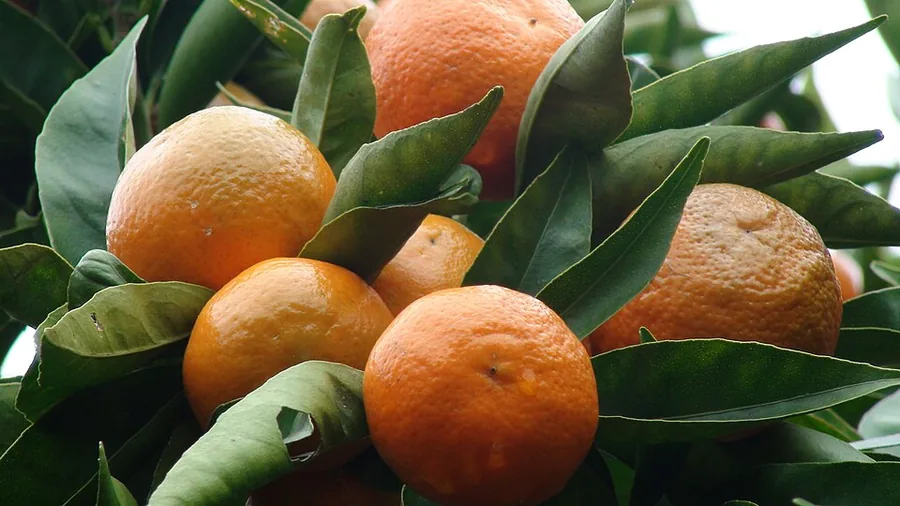
Here's the thing: a tangerine is really just a kind of mandarin, one of those deep red-orange, easy-peeling citrus. It ripens in the cool months when hardly anything else does, which is a big part of the appeal. Give it a warm spot and it pays you back with sweet-smelling spring flowers and a load of bright, sweet fruit.
At heart these are subtropical trees, so they're happiest in the warm zones where frost barely shows up. Cold winters where you are? No problem, since plenty of folks just grow them in big pots and roll them under cover when it turns cold. Tangerines take to pot life easily, which means homegrown citrus isn't only for the orange groves.
The tree really only asks for three things: sun, drainage, and enough feeding to keep the leaves green. Get those sorted and it'll stick around for years, because a tangerine is a long-lived perennial, not a one-and-done. Almost every problem comes back to soggy roots, hungry soil, or a hard freeze.
Care
The short version: it wants full sun, sandy soil that drains well and runs a little acidic, and steady water that never leaves the roots soggy. Feed it a citrus fertilizer through the growing season, and tuck it away from frost.
Light
A tangerine wants full sun, around 6 to 8 hours a day, and that's what gives you the sweetest fruit and a nice full canopy. It'll put up with a bit of partial sun, but shade thins out the crop and leaves the growth kind of leggy.
Water
Water new trees about twice a week, and settled ones roughly weekly to every couple of weeks, easing off when it's cool or rainy. Let the top inch or so of soil dry out first. The one thing it really won't put up with? Soggy roots.
Soil
Go with sandy, well-drained loam that stays a little acidic, somewhere around a pH of 5.5 to 6.5. That range keeps iron, manganese, and zinc within reach, and the good drainage means the roots aren't sitting in water and rotting.
Temperature
It handles a pretty wide range, from about 39°F (4°C) up to 100°F (38°C), so heat isn't really the issue. Frost is. A freeze burns the leaves and kills off tender twigs, so a warm, sheltered spot does more for it than anything else.
Humidity
Regular household air is fine, somewhere in the 40% to 60% ballpark, so there's no need to obsess over it. Outdoors, just let nature handle it, and an indoor tree only wants a little extra moisture when winter rooms dry out.
Feeding
Feed it a balanced citrus fertilizer with iron, manganese, and zinc from spring through fall, roughly February to October. Those micronutrients are what keep the leaves deep green and stop the yellowing that citrus tends to fall into.
Pruning
Not much to do here, honestly. Clip out any dead, damaged, or crossing wood, pull off the rootstock suckers popping up below the graft, and thin it a little after harvest. Go too hard with the pruners, though, and you're just cutting away future fruit.
Repotting
Bump a potted tangerine into a bigger container every 2 to 3 years, or sooner if roots start circling, water races straight through, or growth stalls out. A little fresh mix and some extra room, and a potted tree keeps right on producing.
Size & spacing
Left to grow, a tangerine gets to about 12 to 15 feet (3.7 to 4.5 m) tall and nearly as wide. Give it that much room if you've got it, or keep it smaller and easier to deal with in a large pot.
When to plant
Warmth is the whole game here, and a hard frost is the one thing a tangerine can't shrug off. So plant young trees in spring once the cold's gone, keep an eye out for fragrant white flowers as things warm up, and pick the fruit from late fall into winter.
Northern hemisphere
Southern hemisphere
Typical months for a temperate climate: start earlier in warm zones, later where spring frosts linger.
- Plant: Spring, after all danger of frost has passed
- Harvest: Fragrant white flowers in spring; fruit ripens late fall to winter (about November to January)
Hardiness
USDA hardiness zones: 9–11
Temperature: down to -7°C
Troubleshooting
Good news: a tangerine usually gives you a heads-up before anything gets serious, and it shows in the leaves and the fruit. Yellowing, sticky foliage, dropped fruit? Each one's pointing at a different cause. Find the match below and jump on it early.
Dropped leaves and dead twigs after a cold snap
Leaves down and twigs dying after a freeze? That's cold injury, and tender mandarins feel it before the tougher satsuma types do. Hold off on cutting until new growth shows up, because that's when you can actually see how far the damage went. Cover young trees and add a little heat during a freeze so it doesn't happen again.
Fix:
- Prune out dead wood only after new growth shows extent of damage
- Protect with covers or heat during freezes
Yellow leaves with green veins running through them
If the leaf goes yellow but the veins stay green, the tree's just running low on iron, manganese, or zinc. Usually that's because the soil has drifted out of the 5.5 to 6.5 pH range and locked those nutrients up. Give it a citrus fertilizer with chelated micronutrients, get the pH back in line, and loosen up the drainage so the roots can grab what they need.
Fix:
- Apply a citrus fertilizer with chelated micronutrients
- Correct overly acidic or alkaline soil
- Improve drainage
Sticky leaves, black film, or speckled foliage
Sticky leaves with a sooty black film? That's usually sap-sucking pests like scale, mealybugs, or spider mites. They drink the sap and drip honeydew, the mold grows on top of that, and mites leave a fine speckling and webbing instead. A quick hose-down clears a small outbreak, and horticultural or neem oil takes over once it spreads.
Fix:
- Spray horticultural or neem oil per label
- Wash off light infestations with water
Little fruit falling off before it's ripe
A tangerine drops some young fruit all on its own, and a thirsty one drops way more, so a bit of falling fruit isn't a crisis. That's premature fruit drop, and it often ties in with the tree's habit of cropping heavy one year and light the next. Water it deep and steady, throw down some mulch, and it'll hang on to more of what it set.
Fix:
- Provide steady, deep irrigation
- Mulch to conserve moisture
Toxicity
The ripe fruit is a safe, sweet snack for people, so dig in. The catch is everything else, because the peel, leaves, and stems carry citrus oils and psoralens that can hand cats, dogs, and horses an upset stomach. Just keep pets away from the rind, the leaves, and the prunings and you're set.
Toxic to
Cats · Dogs · Horses · Rabbits · Livestock · Birds
Safe for
People
Cats Mild
A cat that chews on the peel, leaves, or seeds might drool, throw up, or get the runs, and the oils can bug its skin too. The flesh won't hurt it, but let's be real, most cats won't touch the sour fruit anyway.
Dogs Mild
If a dog gnaws the rind or the leaves, figure on an upset stomach, loose stools, and a kind of low, mopey mood. A bite of the peeled segment is fine, though the bitter oils in the peel really aren't.
Horses Mild
Those same citrus oils and psoralens in the leaves and peel can leave a horse drooling, off its food, and loose in the gut. So keep the prunings and peelings out of the paddock.
Rabbits Caution
The oily peel and leaves don't sit well with a rabbit's touchy gut, so they're best kept out of reach. A thin sliver of the flesh every now and then is really the most to offer.
Livestock Caution
Goats, sheep, and cattle might nibble at fallen fruit, but the peel and foliage can upset the stomach in any amount. Clear away the prunings instead of letting the herd graze on them.
Birds Caution
A small bit of the peeled flesh is fine for most pet birds, but the peel and leaves carry those irritating oils, so keep them off the menu. Skip the rind and the seeds.
People Safe
The ripe fruit is a sweet everyday snack and totally safe to eat. It's only the bitter peel and leaves that hold the strong oils, so there's nothing to stress about at the table.
Keep peels, leaves, and seeds away from pets, where the irritating essential oils are most concentrated.
Helpline numbers

United States
ASPCA Animal Poison Control: (888) 426-4435 (fee applies)

United Kingdom
Animal PoisonLine: 01202 509000 (fee applies)

Australia
Animal Poisons Helpline: 1300 869 738
Varieties
Loads of mandarins get sold as tangerines, but a few names keep popping up. These are the ones worth knowing.
Dancy
It's the old-school Florida tangerine, with deep red-orange skin that slides right off and fruit that comes ripe from December into January.
Clementine
A little sweet mandarin that's just about seedless and peels like it's barely trying.
Owari Satsuma
The toughest of these against cold, seedless, and one of the quickest to ripen.
Sunburst
A Florida mandarin hybrid that folks grow as an early-ripening stand-in for true tangerines.
How to propagate
There are three ways to make more tangerines, and they're nowhere near equal, so pick the one that fits your patience. Grafting's the grower's pick, seed is the slow gamble, and air-layering lands somewhere in between.
GraftingModerate
Spring to summer · Bears fruit in about 2 to 3 years
Grafting's the go-to way to start a tangerine, joining the variety you want onto a rootstock in spring or summer. It keeps the fruit true to type and lets the tree pick up disease and cold tolerance from the roots, and a grafted one usually starts bearing within 2 to 3 years.
SeedEasy
Spring · Several years to first fruit
Growing from seed in spring is easy, but you'll need patience. Seedlings often don't come out like the parent and go through a long juvenile phase, so it can be several years before you get any fruit.
Air layeringModerate
Warm growing season · Several months to root
Air-layering in the warm growing season gives you a clone on its own roots, and it takes several months to root. You're skipping the rootstock, though, which means you skip the extra disease and cold tolerance it would've brought.
Myths
A tangerine is its own botanical species, totally separate from the mandarin.
Not really. Tangerine is just a market name for certain deep red-orange mandarins, and they're all the same species, Citrus reticulata. The name actually comes from the port of Tangier. So a tangerine is a kind of mandarin, not a species all its own.
Every part of a citrus is poisonous, so the fruit itself is dangerous to pets.
The ripe flesh is totally fine. The ASPCA puts citrus toxicity down to the essential oils and psoralens in the peel, leaves, and seeds, and even those only cause mild stomach upset. It's the rind and the leaves you keep away from pets, not the segments.