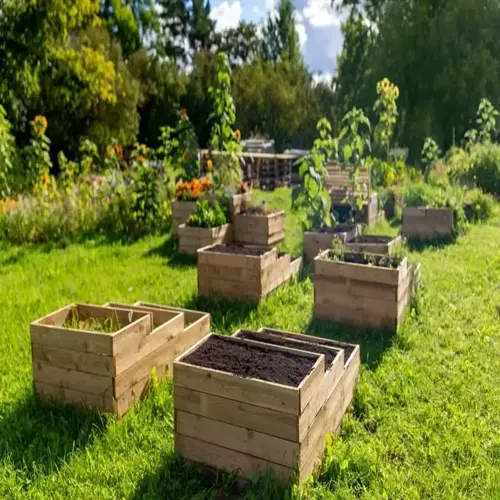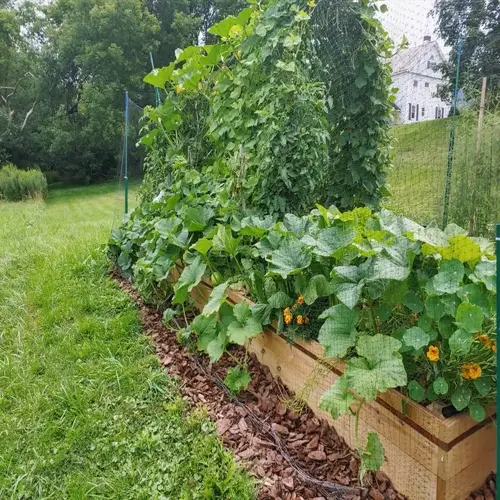

From my back patio I could see the split decision after one wet week. The Iron Lady and Mountain Magic plants in the second raised bed held their leaves deep green, top to bottom. Twelve feet away in the fenced bed, my Cherokee Purple had gone freckled with brown spots up the lower stems. Same rain, same soil, same week. One bed shrugged it off and the other did not.
So yes, blight resistant tomato varieties are worth growing if your area gets wet, humid summers. They give you a real head start against a disease that can wipe out a row in days. The catch is in the word resistant. These plants are bred to fight off blight, not to be untouchable, so you still need to back them up with good habits.
Here is the part people get wrong. Resistance comes from genes that slow infection down and buy your plant time. They do not flip a switch. The plant is not bulletproof. The rule to keep in mind is simple. Resistant not immune is the whole story. Under heavy wet pressure, week after week of rain, even a strong variety can pick up some disease. The genes blunt the attack. They do not cancel it.
That gap between resistant and immune is exactly why the trade-off still pays off. A vulnerable heirloom can collapse in a single bad spell. A resistant plant under the same pressure tends to hold its leaves longer and keep setting fruit while the heirloom is already done. You may still see a few spots near the end of a rough season. You will rarely see the whole plant go down.
My own beds backed this up across a soggy August. The Cherokee Purple I had babied for weeks turned to bare stems by the end of the month. The Iron Lady next to it kept feeding me ripe fruit into September. It picked up a handful of low spots, sure. But it never quit. That is the whole pitch for resistance. You do not buy a guarantee. You buy a plant that keeps working when the weather turns against it.
The Iron Lady tomato is the one I point new growers to first. It has triple resistance. That covers early blight, late blight, and a third leaf disease. Few plants pack all three. Mountain Magic is a steady cherry-size pick that shrugs off late blight. Defiant is a proven slicer with strong cover. Each one has its own flavor and size. Check the main variety section of this guide for the full side-by-side.
A resistant variety is one layer, not the whole wall. Rotate where you plant tomatoes each year, mulch the soil to block splash, and water at the base so leaves stay dry.
Treat the variety as one layer of defense, never the only one. The blight pathogen can shift over time. Given enough seasons, it can push past any single variety. So back your plants up with three cheap habits. Use crop rotation so the soil does not build up spores. Add a thick mulch layer to stop rain from splashing spores onto the leaves. Water at the base to keep the foliage dry. These habits cost you almost nothing. They guard every plant in the bed.
Stack it all up and the answer is clear. Plant resistant varieties as your base. Add rotation, mulch, and dry leaves on top. That turns a coin-flip season into a stacked deck. Start with Iron Lady if you can find it. Lean on Mountain Magic and Defiant as backups. The rest of this guide walks you through each one in depth.
Read the full article: Tomato Blight: Identify, Treat, and Prevent It