
Introduction
You spot dark patches creeping across your tomato leaves and you want one answer first. What do I actually have, and how bad is it? Tomato blight is the name gardeners reach for, but that single word hides a real problem. The right move depends entirely on which version is sitting on your plants right now.
The stakes are bigger than one backyard bed. USDA scientists put worldwide losses and control costs from late blight at more than $6.7 billion a year across potato and tomato crops. It hits small gardens too. One field survey in Kenya found early blight in 85.2% of 175 fields, and most growers there ranked it a top cause of lost fruit. This is the most common trouble tomato plants face.
Here is the part that changes everything. Tomato blight is really three separate diseases, and they are not equally urgent. You have early blight, late blight, or Septoria leaf spot, and each one spreads its own way. So before you grab any spray, you need to know which one you are fighting. Treating the wrong disease wastes your time and your money.
Think of it as triage. Early blight is the slow, near-yearly nuisance you can usually live with, and your plants still set plenty of fruit. Late blight is the fast emergency that can flatten a whole planting in days. Wet, humid summers push all of it harder. This guide walks you through how to tell them apart, treat each one, and stop the next outbreak. You will also learn why blight resistant tomatoes and good timing beat any bottle. Fungicides protect healthy leaves, but they cannot cure sick ones.
Early vs Late vs Septoria
Most gardeners lump three different problems under one name, and that mix-up leads to wasted sprays and dead plants. Learning how to identify tomato blight comes down to three traits on the leaf: what the spots look like, where on the plant they start, and how fast they move. The table below puts all three side by side so you can match your plant in seconds.
Use it like a field key. Find the column that matches your spots, then check the row for where the damage began and how quickly it spread. That tells you which disease you have and how worried you should be.
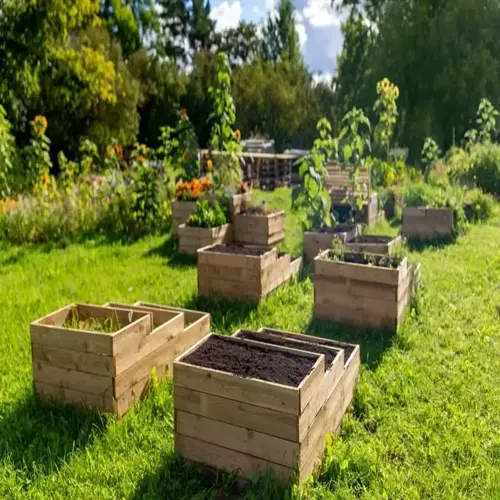
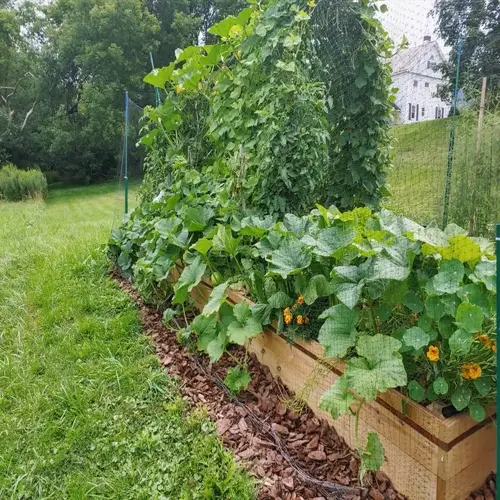
One humid morning I crouched by the raised bed against my back fence. I lifted the lowest leaves of a Cherokee Purple plant and found brown spots ringed like tiny targets. The bull's-eye rings sat only on the oldest leaves near the soil. The top of the plant stayed green. That low, old pattern is the calling card of early blight, and the table shows how it differs from its faster cousin.
The big split is early blight vs late blight. Early blight is slow and shows up nearly every season, so it spreads over weeks and gives you time to react. As UMN Extension puts it, plants can take a lot of it and still set a full crop. Late blight is the opposite. It hits the upper leaves, stems, and fruit at once, and it can wipe out a plant in days.
Speed is the reason late blight feels like it explodes overnight. Its symptoms can appear just 3 to 6 days after infection, while most other tomato diseases take about a week to show. Look for dark gray-green water-soaked lesions that ignore the leaf veins, plus a white fuzzy growth on the underside when the air stays damp.
The third culprit is Septoria leaf spot, and it fools a lot of people. It makes many tiny dark spots with pale centers and small black dots in the middle, and it starts on the lower leaves much like early blight does. The good news is that it rarely touches the fruit, so it stays mostly cosmetic. Match your plant to the right column first, then you can treat the real problem instead of guessing.
What Causes Tomato Blight
So what causes tomato blight in your garden? Three things have to line up at once. You need the pathogen present, a healthy tomato plant to attack, and the right weather. Plant doctors call this the disease triangle, and blight cannot touch your plants until all three sides meet. Take away any one side and you stay clean.
Weather is the side most gardeners get wrong. Early blight wakes up in warm air from 59°F to 80°F, or 15°C to 27°C. It races along once your temps hit its sweet spot of 82°F to 86°F. The fungal spores still need water to sprout. They germinate from 47°F to 90°F, but only when your leaves stay wet. They also fire up when the relative humidity sits at 90% or higher. Late blight plays a colder game and likes cool, damp spells of 60°F to 70°F, or 16°C to 21°C.
The two diseases travel in different ways. Early blight is a homebody. It survives by overwintering in soil and old plant debris from last season. Rain splashes those spores up onto your lowest leaves, which is why early blight starts at the bottom of the plant. Late blight is the long distance runner. Its spores ride the wind for several miles. They get their start on infected transplants, seed potatoes, or storms blowing up from the south.
Think of warm, humid, leaf wetting weather as fuel and the spores as a spark. Your garden can stay clean through a dry summer and erupt the moment a wet, muggy week rolls in. Spores might drift over your plants for days and do nothing. Add leaf wetness and the fire catches.
Late blight shows you just how fast that fire spreads. Under cool, wet conditions a single lesion can pump out thousands of spores in under 5 days, and each one can start a new infection. It gets stranger. A virus called PiRV-2 lives inside some late blight strains and can crank up their spore output by 9 to 125 times. One sick leaf can seed your whole neighborhood.
Under cool, wet conditions, P. infestans can infect and produce thousands of sporangia per lesion in less than five days. These sporangia easily become air-borne, resulting in prolific spread of the pathogen.
Stop Blight Before It Starts
Your smartest move against tomato blight is to never let it take hold. A spray can only stop new blight, not cure old blight. So a clean, dry, well-spaced plant is your real defense. It works long before any spray comes into the picture.
The lowest leaves in my fenced raised bed stayed clean all the next summer, while the year before they had browned by July. That clean run followed the season I finally mulched the whole bed and switched to base watering only. I tucked straw tight around each stem until no bare dirt showed, and I aimed the hose at the roots instead of soaking the leaves. The soil splash had been the real culprit all along.
Here is how to prevent tomato blight in plain terms. Use a 2-year crop rotation so you never replant tomatoes, peppers, or eggplant where they grew last season. Water at the soil line in the morning, give plants airflow spacing so leaves dry fast, and lay thick mulch to block spores from splashing up. Cornell Extension backs the 2-year gap, and these few habits do more than any bottle on the shelf.
- Rotate: Wait at least two years before replanting tomatoes, potatoes, peppers, or eggplant in the same bed to starve soil-borne early blight.
- Water low: Water at the soil line with a soaker hose or drip line in the morning so leaves stay dry and spores cannot germinate.
- Space and stake: Stake plants and give them room so air moves through the foliage and leaves dry quickly after rain or dew.
- Mulch: Lay a thick mulch layer to stop rain from splashing soil-borne spores up onto the lowest leaves.
- Prune lightly: Remove the lowest leaves to lift foliage off the ground, but take no more than one third of the plant at a time.
- Sanitize: Bag and bin infected plants instead of composting them, and clean tools and hands between plants to avoid spreading spores.
Do not compost blighted plants. The pathogens overwinter in debris, and most backyard piles never heat up enough to kill them, so you would replant the disease next spring.
Treating Blight the Right Way
The first rule of how to treat tomato blight is to name the disease before you reach for any spray. Early blight is the one you can live with, and most plants keep setting fruit through it. Late blight is the emergency. So identify what you have first, then act based on that answer.
Now the part that changes how you spray. A tomato spray is preventive not curative. It guards the clean leaves. It does little for the parts that are already sick. That one fact explains why so many home sprays seem to fail. You spray after the damage is done, then wonder why nothing got better.
Think of blight like a small fire in dry grass. You contain it fast by pulling the burning tissue and protecting what has not caught yet. You do not stand back and hope one bucket of water drowns a blaze that already jumped the fence. The same logic drives every step below.
Confirm whether it is early blight, late blight, or Septoria using the symptom table, because the right response depends entirely on which disease you have.
Pinch off and bag affected leaves on a dry day, never composting them, and removing no more than one third of the plant at once.
Open up airflow, stop overhead watering, and refresh mulch so the remaining healthy foliage dries quickly and resists new infection.
Apply a preventive copper or labeled fungicide to clean tissue before symptoms spread, repeating roughly every 7 to 10 days per the label.
If it is late blight, pull and bag whole infected plants fast and alert nearby gardeners and your local extension office, because it spreads for miles.
Fungicide timing matters as much as the product you pick. Start a copper fungicide at the very first spots, or even just before them. Then spray again about every 7 to 10 days, and follow the label. One spray after blight is everywhere will not save the plant. Set it up early or skip it.
Do not lean on one bottle all season. A PLOS One study found 81% of farmers saw fungicides lose strength from overuse. So rotate between different products and stick to the label rate. When you remove infected leaves by hand, that cleanup does more real work than one more spray on a sick plant.
For late blight you have tools beyond your own garden. Labs can now pin down the strain in 1 to 2 days, and you can track regional outbreaks through the USAblight network. Watching that map tells you when spores are moving your way, which is the only moment a protective spray earns its keep.
This disease is extremely difficult to control with fungicide applications started after detection.
Blight Resistant Tomatoes
From my back patio after a rainy week, the difference stopped me cold. My Iron Lady and Mountain Magic plants in the second bed still glowed deep green. But my Cherokee Purple in the fenced bed sat freckled with brown spots. Same rain, same week, same yard. Only the breeding had changed.
Picking the right plant is one of your best moves against tomato blight. Blight resistant tomato varieties slow the disease down. Iron Lady, Mountain Magic, Defiant, and Crimson Crush all do this well. They buy you weeks of clean growth that a tender heirloom rarely gets in a wet year.
Here is the honest part. These plants are resistant not immune. Resistance puts the brakes on the disease. But a heavy, wet season can still wear them down. Treat each one as a layer of defense, and pair it with mulch, wide spacing, and watering at the base.
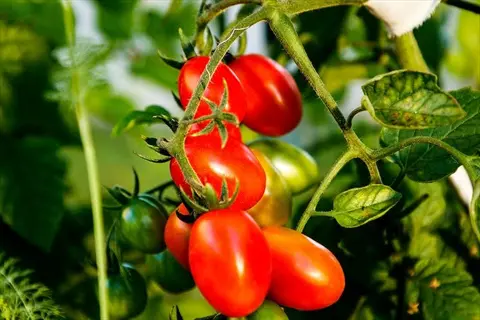
Iron Lady
- Resistance: One of the few tomatoes bred to resist all three problems, early blight, late blight, and Septoria leaf spot.
- Type: A determinate hybrid that sets a concentrated crop, which suits gardeners who want a reliable yield in a tough season.
- Flavor: Produces medium round red fruit with a mild, traditional tomato taste rather than a bold heirloom flavor.
- Best for: Wet, humid regions where blight pressure is high and an heirloom would struggle to stay healthy.
- Caveat: Resistance slows disease but is not immunity, so keep up mulching, spacing, and base watering.
- Tip: Pair it with prevention habits to get the longest clean harvest from each plant through the season.
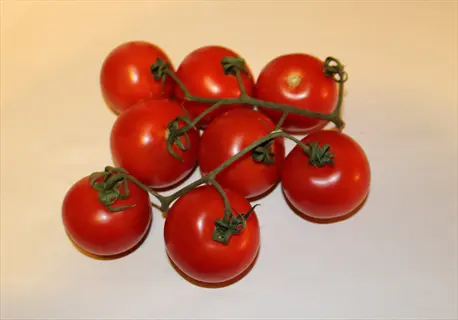
Mountain Magic
- Resistance: Carries strong late blight and early blight resistance and performed well in trials at RHS Wisley.
- Type: An indeterminate campari-style tomato that produces clusters of glossy, crack-resistant fruit over a long season.
- Flavor: Known for a rich, sweet, well-balanced taste that rivals many heirlooms despite its disease resistance.
- Best for: Gardeners who want both flavor and protection and have room for a taller, vining plant.
- Caveat: Like all resistant types it can still be infected under heavy, prolonged wet conditions.
- Tip: Give it sturdy support and airflow so the long vines dry quickly after rain.
Defiant
- Resistance: Bred for strong late blight resistance plus some early blight resistance, a dependable choice in blight country.
- Type: A compact determinate hybrid that fits smaller gardens and containers while still cropping heavily.
- Flavor: Delivers a solid, classic slicing-tomato flavor on medium red globe-shaped fruit.
- Best for: Beginners and small-space growers who want resistance without managing a sprawling vine.
- Caveat: Resistant does not mean immune, so combine it with rotation and sanitation each season.
- Tip: Its early, concentrated set helps you harvest before late-season blight pressure peaks.
Crimson Crush
- Resistance: A late-blight-resistant variety that earned strong marks in UK trials at RHS Wisley in 2021.
- Type: A vigorous indeterminate plant that produces large beefsteak-style fruit on tall vines.
- Flavor: Offers a full, juicy beefsteak flavor that holds up well in salads, sandwiches, and sauces.
- Best for: Gardeners in cool, damp climates who want a big slicing tomato that resists late blight.
- Caveat: No cultivar is fully immune, so heavy late-season pressure can still cause some infection.
- Tip: Prune and stake well so the heavy vines get the airflow large beefsteaks need to stay clean.
There is a reason breeders keep releasing new resistant tomatoes. The blight pathogen keeps shifting. Over time a new strain can break through the resistance a variety was bred to carry. The plant that shrugged off blight last year may need more help the next.
So keep rotating your beds even with resistant plants, and stick with your prevention habits. Choose a variety like Iron Lady or Mountain Magic for the head start, then back it up with good airflow and base watering. That combination gives you the longest clean harvest a tough, wet season will allow.
Can You Eat Blighted Tomatoes
So can you eat tomatoes with blight? In most cases, yes. Blight is a plant disease, and it does not turn your fruit into a human toxin. If a tomato is firm with no soft rot, it is fine to eat once you cut away any small spots.
The question gardeners really ask is are blighted tomatoes safe, and the honest answer depends on the fruit, not the plant. A tomato off an early-blight plant can look ugly on the leaves yet hold perfect fruit. The one to skip is any tomato with the firm, greasy, brown fruit rot that late blight leaves behind.
When a plant starts to fail, do a quick salvage harvest and pick everything worth saving right away. Bring in the healthy fruit and any sound green tomatoes too. Ripening green tomatoes indoors off the plant works well, and it keeps them away from spores still floating around your beds.
- Firm fruit with no spots, from an early-blight plant.
- Fruit with small surface blemishes you can cut away.
- Sound green tomatoes you ripen indoors off the plant.
- Lightly affected fruit used quickly in cooked dishes.
- Tomatoes with firm, greasy, brown late-blight rot.
- Soft, weeping, or visibly rotting fruit.
- Fruit with mold or an off, sour smell.
- Anything where rot reaches deep into the flesh.
Blight harms the plant, not your food safety. The real reason to sort fruit is that late-blight rot keeps spreading after picking, so blighted tomatoes simply will not store well.
Because the rot can keep working after you pick, use your salvaged fruit fast. Lightly affected tomatoes go straight into cooked dishes like sauce or chutney, where a quick simmer makes them shine. Sort the basket at the kitchen counter, keep what is firm, and toss anything soft, weeping, or sour.
5 Common Myths
Tomato blight is a single disease, so one spray or one fix will solve every case of spotting leaves in the garden.
Blight is three different diseases: early blight, late blight, and Septoria leaf spot. Each spreads differently and needs its own approach.
If you spray a fungicide after you see blight, it will cure the plant and reverse the damage already done to the leaves.
Most fungicides are preventive, not curative. They protect healthy tissue, so timing before or at first symptoms matters more than the product.
Tomatoes touched by blight are poisonous, so the entire harvest from an infected plant must be thrown away immediately.
Firm fruit with no soft rot is generally safe to eat once damaged spots are trimmed. Blight harms the plant, not your food safety.
Home remedies like baking soda and hydrogen peroxide reliably cure tomato blight just as well as commercial fungicides do.
Field trials found several DIY sprays ineffective outdoors. They may slow some disease slightly but do not cure established blight.
Planting a blight-resistant tomato variety means the plant can never get blight no matter the weather or garden conditions.
Resistant does not mean immune. Varieties like Iron Lady slow disease, but heavy pressure and wet weather can still cause infection.
Conclusion
Beating tomato blight starts with one simple step. Look at the spots and name what you have before you do anything else. Round brown bull's-eye rings on the lower leaves point to early blight. Fast, gray, water-soaked blotches that ignore the leaf veins point to late blight. Once you know which one you face, you know how fast you need to move.
The two diseases ask for very different reactions. Late blight is the urgent one. It spreads for miles on the wind and drives more than $5 billion in losses and control costs each year. Early blight is the common nuisance, and most home gardeners can live with it. Plants shrug off a lot of it and still fill your baskets. Match your worry to the real threat and you save a lot of wasted spray.
Here is the calm part. Firm, healthy fruit from a blighted plant is still good to eat, so a few sick leaves do not ruin your season. Resistant varieties like Mountain Magic and Defiant help a lot. Add clean habits, and most gardeners pull a solid harvest even in a soggy year. Just keep in mind that resistant means tougher, not bulletproof.
So lean on prevention over any cure. Timing and a tidy garden beat any single bottle of fungicide, every time. Space your plants, water at the roots, mulch the soil, and rotate where the tomatoes grow. The gardeners who plan ahead lose the least, and they sleep fine through the wettest week of summer. Blight is a problem you manage, not a sentence you serve.
Glossary
- Crop rotation
- Waiting two or more years before replanting the same plant family in a bed so soil-borne diseases run out of host plants.
- Early blight
- A common, slow-spreading tomato disease caused by Alternaria fungi that makes target-ring spots on lower leaves.
- Late blight
- A fast, devastating tomato and potato disease caused by the water mold Phytophthora infestans that can destroy plants within days.
- Phytophthora infestans
- The water mold (not a true fungus) that causes late blight and triggered the Irish potato famine.
- Preventive fungicide
- A spray that protects healthy plant tissue from infection but cannot cure or reverse disease that is already present.
- Relative humidity
- The amount of moisture in the air compared with the maximum it can hold; blight spores need very high humidity to germinate.
- Septoria leaf spot
- A tomato leaf disease that produces many small dark spots with pale centers and tiny black fruiting dots.
- Sporangia
- The tiny airborne spore-bearing structures that late blight produces by the thousands to spread the disease on the wind.
External Sources
Frequently Asked Questions
How do you get rid of blight on tomato plants?
There is no instant cure. Remove infected leaves, improve airflow, and use preventive copper or fungicide before symptoms spread.
Is it okay to eat tomatoes with blight?
Yes, firm fruit with no soft rot is generally safe to eat once you trim away any blemished or damaged areas.
Can overwatering cause tomato blight?
Overwatering alone does not cause blight, but the wet leaves and humid conditions it creates help blight spores spread.
How long does tomato blight stay in the soil?
Early blight survives in plant debris and soil for years, so rotate beds. Late blight needs living tissue and rarely persists in soil.
What kills tomato blight naturally?
Removing infected leaves, improving airflow, and growing resistant varieties help most. Many home remedies have weak field evidence.
Does baking soda get rid of tomato blight?
Baking soda sprays may slightly slow some leaf disease but do not cure blight. Prevention and timely fungicides work far better.
Will tomato blight go away on its own?
Early blight can slow in hot, dry weather, but it rarely disappears. Late blight spreads fast and will not stop on its own.
How do you control early blight in tomatoes?
Mulch, water at the base, prune lower leaves, space plants for airflow, rotate beds, and choose resistant varieties.
What is the difference between early blight and late blight?
Early blight is slow with target-ring spots on lower leaves. Late blight is fast, with gray-green water-soaked blotches and white mold.
Are blight-resistant tomato varieties worth growing?
Yes. Varieties like Iron Lady, Mountain Magic, and Defiant strongly reduce blight risk, though resistant does not mean fully immune.