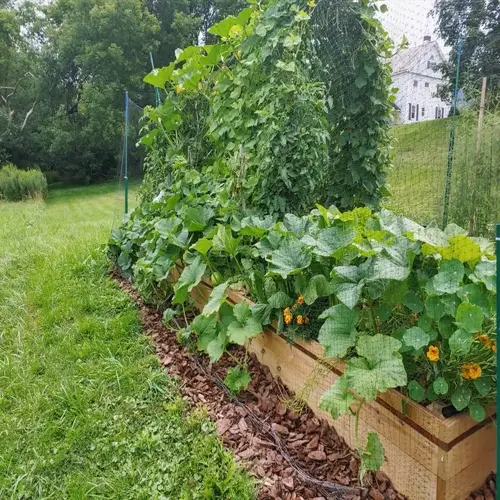

A firm greasy brown patch sat on one tomato I pulled from my early-blight Cherokee Purple plant in the damp fenced raised bed. The fruit right beside it had no marks at all, and I sliced it for lunch the same afternoon. Yes, you can eat tomatoes with blight in most cases, as long as the fruit is firm and you trim away any spotted or sunken flesh first.
People ask are blighted tomatoes safe because the word blight sounds alarming. Here is the part that settles it. Blight is a plant disease, not a poison that builds up in the fruit you bite into.
The fungus that causes blight feeds on tomato plant tissue. It does not make a toxin that harms people, the way a spoiled can of food might. So the real risk is quality and spoilage, not poisoning. A blighted tomato can rot fast and taste off, but it will not make you sick the way bad meat does.
Your job is to sort the good fruit from the bad. Keep any tomato that stays firm and looks clean, and keep fruit with small damage you can cut out. Toss anything that has gone soft, weeping, or mushy, since that flesh has already broken down inside. Sorting takes a few minutes, and it saves most of the basket from a plant you thought was a loss. Go fruit by fruit and feel each one in your hand.
The marks on the plant leaves and stems matter less than the state of the fruit itself. A tomato can grow on a badly spotted vine and still be sound inside. So judge each tomato on its own. The leaf damage tells you the plant is sick, but it does not condemn the fruit.
Firm And Clean Fruit
- Solid feel: Tomatoes with no spots and a firm body are fine to slice raw or cook right away.
- Best use: Eat these first while they hold, since fruit from a sick plant does not keep as long as normal.
- No need to peel: Clean skin means you can treat these like any tomato from a healthy vine.
Fruit With Small Marks
- Trim wide: Cut the dry blemish out with a generous margin, then use the rest of the tomato.
- Cook it: A trimmed tomato works best in a cooked dish where shape does not matter much.
- Use fast: A nicked tomato breaks down quicker, so plan to use it within a day or two.
Fruit To Throw Out
- Greasy brown rot: Firm late-blight patches feel oily and keep spreading, so these are not worth saving.
- Soft or weeping flesh: A tomato that squishes or leaks has rotted inside and belongs in the trash, not the compost.
- Sour smell: A foul odor means the fruit has broken down past the point you can rescue with a knife.
When a plant is clearly dying, it pays to salvage tomato harvest fast instead of waiting. Pick every fruit that is firm, including the green ones, and bring them inside. Sound green tomatoes ripen well on a counter over one to two weeks. This pulls them away from the spores still sitting on the plant. A windowsill or a paper bag with one ripe apple both work to speed them along.
Use the lightly marked fruit quickly, because blighted tomatoes store badly. They will not last a week in your fruit bowl like a clean tomato would. The smart move is to cook them within a day or two in a sauce, soup, or stew where a trimmed tomato shines. You can simmer a big batch and freeze it, which buys you months out of fruit that would not have lasted the week.
Watch out for late blight in particular. That firm greasy rot keeps spreading after you pick, so one bad tomato can turn the ones touching it. Keep questionable fruit apart from the clean ones and check the batch each day. Cut, cook, and freeze what you can. You will still get a real harvest off a sick plant if you sort it the day you bring it in.
Read the full article: Tomato Blight: Identify, Treat, and Prevent It