
Water by itself does not give your plant blight. The real tie between overwatering and tomato blight is the wet, damp air that too much water leaves behind. Soak the leaves and keep the air around the plant damp, and you hand the fungus exactly what it needs to take hold. The water is not the disease. It is the open door.
Look at two identical plants. The one you water perfectly can stay clean and green all through a dry summer. That same plant, watered the same way, can erupt with brown blotches during a wet one. The difference is not how much you watered. It is how long the leaves stayed wet. That should point you at leaf moisture, not at the size of your watering can.
Here is the mechanism. Blight is a fungal disease, and its spores cannot wake up on a dry leaf. They need free water sitting on the surface or air that holds at least 90% humidity to germinate. Splash water on the foliage from overhead, add rain and muggy nights, and you create a classic wet leaves disease trap. Dry foliage stops the cycle cold because the spores simply have nothing to grow in.
Once a film of moisture coats the leaf, the leaf wetness spores swell, sprout a tiny thread, and push into the plant tissue. Temperature decides which type shows up. Early blight gets going in warm weather between 59 and 80°F (15 to 27°C), and it tends to start on the older, lower leaves first. Late blight prefers cool, damp spells around 60 to 70°F (16 to 21°C) and can take down a whole plant in days. Under the right wet conditions, the first spots can appear in as little as five days.
The key number to watch is leaf wetness time, not water volume. Spores need roughly 8 to 12 hours of unbroken moisture on the leaf to settle in and infect. Beat that clock and the fungus loses. A leaf that dries within an hour of watering gives the spores no window at all. A leaf that stays wet from dusk through a foggy dawn gives them all night to work. This is why two gardeners can give the same amount of water and get very different results.
So the fix is not to water less. Your plant still needs a deep, steady drink to set fruit. The fix is to keep that water off the leaves and to dry any moisture fast. Change how the water lands and how the air moves, and you starve the spores of the wetness they depend on.
- Water low: Pour at the soil line with a can spout or drip line, never over the top. The roots drink and the leaves stay bone dry.
- Go early: Water in the morning so the sun burns off any stray droplets within an hour. Evening watering leaves foliage damp all night, which is prime infection time.
- Open it up: Space plants about 24 inches apart and stake or cage them. Moving air dries leaves faster and cuts the humidity pocket inside the canopy.
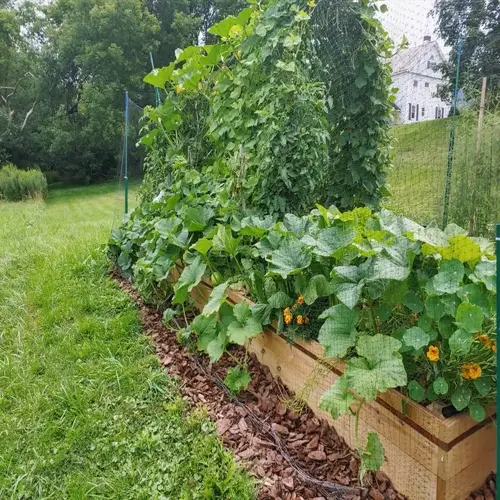
- Lay 2 to 3 inches of mulch over the soil to block rain splash that throws spores from the dirt up onto low leaves.
Notice that every one of those steps targets one thing. Each keeps the foliage dry. That single habit does more to hold off blight than fussing over your watering amount ever will. Get the water to the roots, get the air moving, and your leaves dry before the spores can use them.
So can overwatering cause tomato blight? Not on its own. But sloppy watering that drenches the leaves and traps damp air around the plant is one of the fastest ways to feed it. Water deep, water at the base, water in the morning. Do that and you cut off the moisture that blight cannot live without.
Read the full article: Tomato Blight: Identify, Treat, and Prevent It