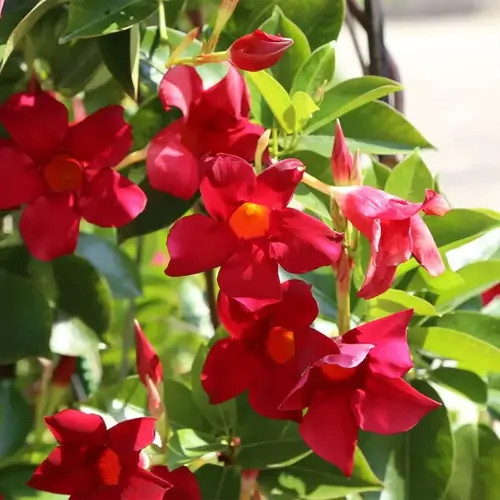

I planted three red Balcon starts in one window box in May. By August they had filled into a wall of bloom that spilled almost two feet down the rail. I had done close to nothing except water them right. I walked in sure these plants would be fussy. No. Growing ivy geraniums is beginner-friendly once you respect a few basics, and watering is the big one. You do not need a green thumb to get a full cascade.
Most of ivy geranium care comes down to the soil staying on the dry side. These plants store water in their thick, waxy leaves. So they handle a missed watering far better than a soggy pot. That trait is exactly why they drape so well from your window boxes and hanging baskets. You can leave them alone more than you think.
The one real pitfall is overwatering. Too much water shows up two ways. The first is edema, where corky brown bumps form on the underside of your leaves. That happens because the roots take up water faster than the plant can use it. The second is root rot, which sets in when the mix stays wet and the roots sit without air. Both look scary. But both trace back to the same habit, and you control it.
So your main skill is letting the mix dry slightly between deep waterings. Push a finger about an inch into the soil. If it feels damp, wait. If it feels dry, water until it runs from the drainage holes, then leave it alone again. This check-first rhythm is the whole game. It is why ivy geranium for beginners turns out so well. You are not memorizing a schedule. You are reading one simple cue, and the plant tells you what it needs.
The rest of the plant makes your job easy. Here are the points that keep these geraniums low-stress through your container season, and why growing ivy geraniums stays simple all summer.
Container Tolerance
- Built for pots: The trailing habit thrives in baskets and window boxes, so you do not fight the plant to get a full cascade.
- Compact roots: A medium container suits them, and crowding a few plants together gives you a thicker show faster.
- Forgiving of dry spells: The water stored in the leaves means a hot weekend away rarely sets them back.
Low Maintenance
- Pest-resistant: They draw few problems compared with many balcony plants, so you spend little time spraying or picking off bugs.
- Light feeding: A small dose of fertilizer every two weeks keeps the blooms coming without much work.
- Heat trigger only: They only ask for afternoon shade once temperatures pass 85°F (29°C), when blooming slows in full sun.
Long Bloom Run
- Months of color: Once they settle in, the flowers keep coming from late spring through fall with little prompting from you.
- Self-reliant habit: You can skip heavy deadheading on the newer types and still get a steady show.
- Quick recovery: A plant that flags in heat tends to bounce back fast once you move it to a cooler spot.
Here is the short version of what you actually do. Plant in a fast-draining mix, the kind sold for containers with perlite or bark worked in. Never use a heavy garden soil that holds water. Water on a check-first basis using the finger test. Feed lightly every two weeks during the growing season. And give the pot some afternoon shade once the real summer heat arrives.
Do those four things and the plant carries the rest for you. You get months of color off something that asks for far less than most people expect. Start with one window box this season. Water it on the dry side, and you will watch the cascade fill in on its own.
Read the full article: Ivy Geranium Care: Grow Trailing Blooms