
Yes. Treat skimmia berries poisonous as the working rule and keep dogs, cats, and children from eating them. The fruit is not a friendly snack. The safe move is to assume any berry that gets swallowed could do harm. Nobody needs to panic over a plant in the garden. But a few sensible habits go a long way, and they cost you nothing.
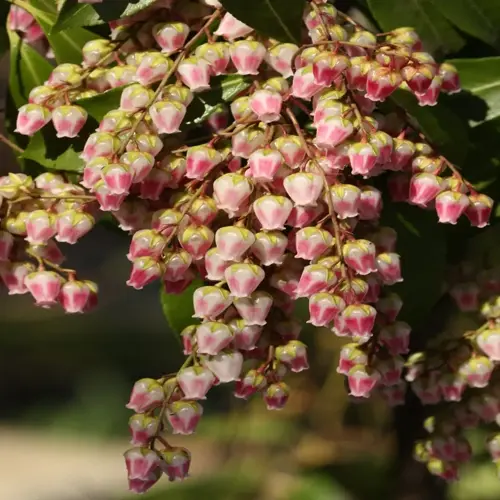
Here is what makes these berries a real worry. They turn a glossy bright red in winter and sit in fat clusters right at toddler height. That is the exact look a curious child reaches for, and a nosy dog will happily mouth one too. The fruit looks like something good to eat, which is why caution matters more than the plant's actual danger level.
The evidence does not all agree, so it helps to know both sides. NC State Extension rates the fruit at a medium poison severity. A small amount can bring on nausea. A large amount can cause more serious effects. The RHS takes a softer line and lists only a mild stomach upset. The toxic part of the berry is still listed as unknown. So neither source can name one chemical to blame.
When the science is fuzzy, you plan for the worse case. The cautious reading is that a child who eats one or two berries may feel sick, and a child who eats a big handful could get more unwell. Either way, the berries are not safe to leave within easy reach.
The picture for pets is even less settled. No one has given skimmia a firm rating for harm to animals. There is no clear official score for skimmia toxic to dogs or for skimmia toxic to cats. But no rating is not the same as proven safe. Dogs and cats often chew or swallow whole what they grab. So treat both the berries and the leaves as unsafe for them. A dog that gulps a mouthful off a low branch is the most likely victim. Cats tend to nibble at the leaves instead.
So is skimmia safe for children? Not when the berries are on the plant. The shrub itself is fine to grow near a family, but the fruit is the part to guard against. The simple fix is placement. Keep the berrying females away from the spots where small children play and where the dog roams off lead.
- Site it well: Plant berrying skimmias away from play areas, sandpits, and the patch of lawn where the dog spends its day.
- Discourage chewing: Train pets to leave the plant alone, and clip off fallen berries from the soil during winter so nothing gets scavenged.
- Watch toddlers: Supervise small children around the red fruit, since one bright berry can disappear into a mouth in a second.
- If a child or pet eats berries, do not wait to see what happens. Call your doctor or your vet straight away.
Keep one number handy if you have animals. The ASPCA Animal Poison Control Center runs a 24-hour line on 888-426-4435. They can tell you what to do for a dog or cat that has eaten the fruit. For a child, ring your doctor or local poison line. Have the plant name ready so they can advise you fast. Quick advice beats guessing every time. Most cases turn out minor when you act fast, but you should never take the chance.
The short version is simple. The shrub earns its place for that winter colour, and you can keep it. Just treat skimmia berries poisonous to a child or pet as the rule to plan around. Put the berrying females where small hands and paws cannot reach, clip up any fruit that drops, and the plant stays a pleasure rather than a hazard.
Read the full article: Skimmia Japonica: Complete Care Guide