Introduction
I ripped out my thirsty front lawn and planted purple blooms, silver foliage, and soft grasses in its place. Forget the picture of bare gravel and a lonely cactus. The best xeriscaping plants give you a yard that sways in the wind and shows color in every season. You still cut your water bill in a big way. A water-wise garden looks alive, not empty.
Here is why this matters for your home. Outdoor water use makes up more than 30% of household water use on average. In dry regions it climbs to as much as 60%, per EPA WaterSense. So the plants in your yard drive a big share of your bill. Smart drought-tolerant plants turn that cost into savings, and you still get a pretty garden.
This guide does two things a plant photo alone cannot. You will get cited data on what water-wise gardening truly saves. You will also learn how to get a young plant to live through its first dry summer. Real numbers and real establishment steps make the difference between a yard that thrives and one that dies in July.
Here is the key idea to hold onto. Xeriscaping is a water-saving method you can use in any yard style. It works in a cottage border or a clean modern bed. It is not one fixed desert look. Denver Water coined the term in the early 1980s. A long drought pushed the city to rethink low-water landscaping for normal homes.
Ahead, you will find the best plants sorted by type. You will see the real savings you can expect. You will learn the seven principles that tie a design together. And you will get the steps that help new plants survive. Let's start with the plants that do the heavy lifting.
15 Best Xeriscaping Plants
The lower stems on my lavender 'Munstead' turned yellow and mushy after a wet spring. I planted it on my back slope by the driveway, and the whole clump started to rot. That slope bakes in the sun, but the Colorado clay under it held water like a bowl. So I pruned the rot, dug in some grit, and cut the watering way back. The plant pulled through. For your xeric plants, good drainage matters far more than how often you water.
That story shapes how I pick xeriscaping plants, and it runs through every entry below. You will find drought-tolerant plants like agave, sedum, and lavender. You also get succulents and ornamental grasses that shrug off the heat. I left room for shade-tolerant and non-desert picks too. A water-wise yard does not have to look like bare rock and gravel.
Cacti are the most common xeriscape-friendly plant, with hundreds of species native to the Americas. Some get huge. A saguaro can grow up to 15 m (49 ft) tall, according to National Geographic. You will see a cold-hardy prickly pear on this list, since several species thrive far beyond the desert Southwest.
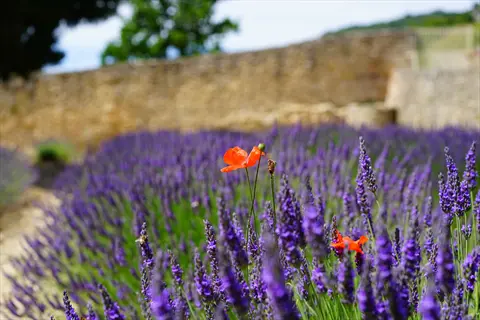
Lavender
- Type: A woody Mediterranean perennial that thrives in full sun and lean, sharply drained soil where many plants struggle.
- Water need: Very low once established; it resents soggy roots more than dry spells and rots in heavy wet clay.
- Hardiness: Common English lavender varieties suit roughly USDA zones 5 to 9 depending on the cultivar you choose.
- Wildlife: Fragrant summer flower spikes draw bees and other pollinators while deer and rabbits tend to leave it alone.
- Use: Works as a low informal hedge, border edging, or a silvery anchor among grasses and gravel.
- Tip: Plant in raised or bermed soil if your ground holds water, and prune lightly each spring to keep it tidy.
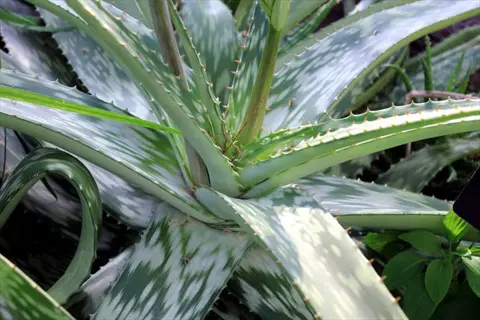
Whale's Tongue Agave
- Type: A bold architectural succulent with broad blue-gray leaves that forms a striking rosette as a focal point.
- Water need: Extremely low; it stores moisture in thick fleshy leaves and survives long stretches with no supplemental water.
- Hardiness: More cold-hardy than many agaves, suiting roughly USDA zones 7 to 11 in well-drained sites.
- Soil: Demands fast-draining, gritty soil; standing water around the crown is the fastest way to kill it.
- Use: Plant as a single sculptural specimen in gravel, a container, or a low-water bed where its form can be seen.
- Caution: Leaf tips are sharp, so site it away from paths, play areas, and doorways for safety.
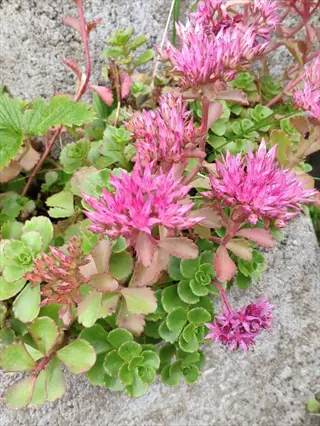
Sedum (Stonecrop)
- Type: A versatile succulent group ranging from low creeping ground covers to upright clumping border plants.
- Water need: Very low; fleshy leaves store water, letting it shrug off heat and drought with little care.
- Hardiness: Many sedums are hardy across a wide range, roughly USDA zones 3 to 9 depending on the variety.
- Wildlife: Late-season blooms on upright types feed bees and butterflies when little else is flowering.
- Use: Creeping types fill gaps between pavers and edge beds; upright types add structure to mixed plantings.
- Tip: It roots easily from cuttings, so a single plant can spread to fill a dry, sunny patch over time.
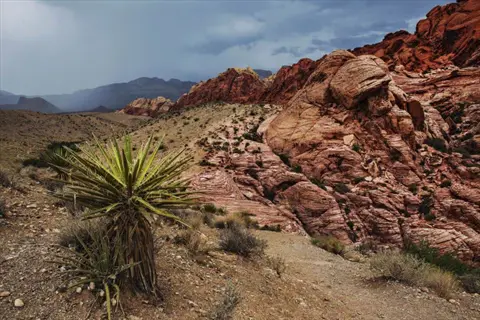
Yucca (Spanish Dagger)
- Type: An evergreen, sword-leaved plant that brings strong year-round structure and a bold desert-modern look.
- Water need: Very low; deep roots and tough leaves let it endure intense heat and prolonged dry spells.
- Hardiness: Different species span a wide range, with many hardy through roughly USDA zones 5 to 10.
- Flowers: Tall spikes of creamy white bell-shaped flowers rise above the foliage in summer on mature plants.
- Use: Acts as a vertical accent in gravel gardens, slopes, and beds that need evergreen presence in winter.
- Caution: Leaf tips are sharp, so keep it back from walkways and seating areas to avoid scratches.
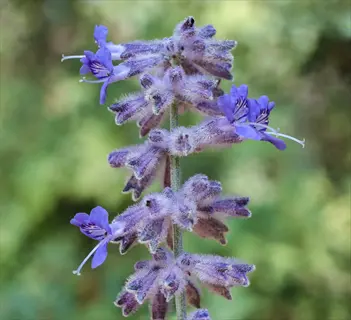
Russian Sage
- Type: An airy, woody-based perennial with silvery stems and a haze of small lavender-blue flowers.
- Water need: Very low once established; it actively prefers hot, dry, lean conditions over rich, moist soil.
- Hardiness: Reliably hardy across roughly USDA zones 4 to 9, making it useful in cold and warm regions alike.
- Wildlife: Long summer bloom period attracts bees and butterflies while deer generally pass it by.
- Use: Its tall, see-through form softens borders and pairs beautifully with ornamental grasses and yarrow.
- Tip: Cut it back hard in early spring to encourage strong, upright new growth and a tidy shape.
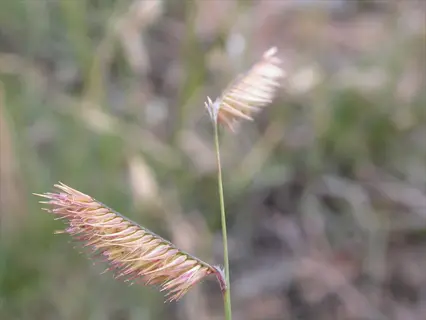
Blue Grama Grass
- Type: A fine-textured native ornamental grass known for its distinctive eyebrow-shaped seed heads.
- Water need: Very low; this prairie native is deeply drought-adapted and needs almost no extra water once rooted.
- Hardiness: Tough and cold-tolerant across roughly USDA zones 3 to 10, with a wide regional range.
- Wildlife: Provides seed for birds and shelter for beneficial insects in a low-water meadow planting.
- Use: Works in naturalistic plantings, as a low-water lawn alternative, or massed among wildflowers.
- Tip: Leave the seed heads standing through winter for movement and texture, then cut back in early spring.
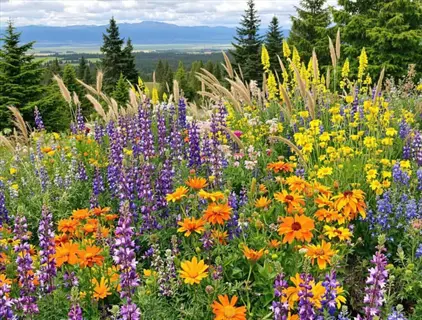
Penstemon (Beardtongue)
- Type: A group of native perennials with tubular flowers in vivid reds, pinks, purples, and blues.
- Water need: Low; most prefer lean, sharply drained soil and quickly rot if kept too wet.
- Hardiness: Species range widely, with many hardy through roughly USDA zones 3 to 9 depending on origin.
- Wildlife: Tubular blooms are a magnet for hummingbirds and native bees through late spring and summer.
- Use: Adds upright spikes of bright color to dry borders, rock gardens, and pollinator plantings.
- Tip: Choose a species native to your region for the best drought tolerance and easiest establishment.
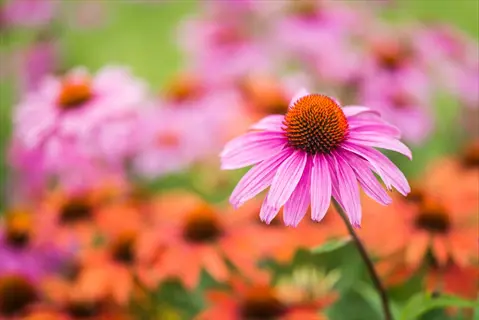
Purple Coneflower
- Type: A sturdy prairie native perennial with daisy-like flowers and prominent raised central cones.
- Water need: Low to moderate once established; its deep taproot helps it tolerate dry summer spells.
- Hardiness: Dependably hardy across roughly USDA zones 3 to 9 in full sun to light shade.
- Wildlife: Flowers feed butterflies and bees, and seed heads left standing feed finches into winter.
- Use: Brings long-lasting pink-purple color to dry borders and mixes naturally with grasses.
- Tip: Leave spent flower heads in fall to support birds and add winter structure to the bed.
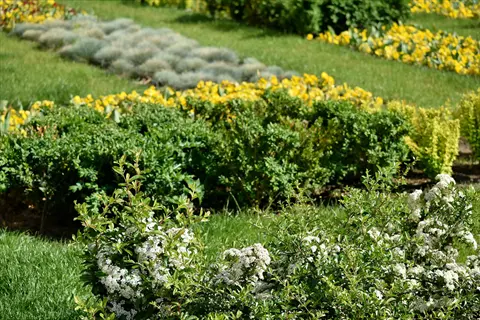
Common Yarrow
- Type: A tough, fern-leaved perennial that forms flat-topped flower clusters in white, yellow, and warm shades.
- Water need: Very low; it spreads happily in poor, dry soil and tolerates heat with ease.
- Hardiness: Widely adaptable across roughly USDA zones 3 to 9 in full sun.
- Wildlife: Broad flower heads attract a wide range of pollinators and beneficial insects.
- Use: Excellent in dry meadows, between pavers, and as a fast filler in new low-water beds.
- Tip: Shear after the first flush of bloom to keep plants compact and encourage a second round of flowers.
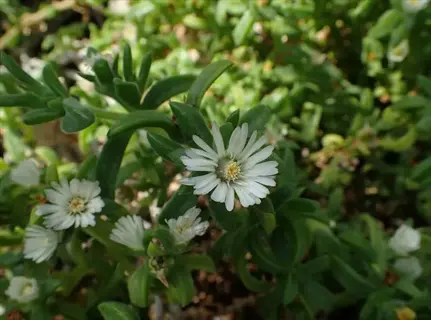
Ice Plant (Delosperma)
- Type: A low, mat-forming succulent ground cover covered in jewel-toned daisy-like flowers.
- Water need: Very low; its fleshy foliage stores water and thrives in hot, sunny, well-drained spots.
- Hardiness: Hardy types suit roughly USDA zones 5 to 9, while tender forms are grown as annuals in cold areas.
- Wildlife: Bright flowers draw bees and butterflies during long summer bloom periods.
- Use: Ideal for slopes, gravel gardens, rock walls, and spilling between stepping stones.
- Tip: Give it sharp drainage and full sun; it dislikes shade and soggy winter soil.
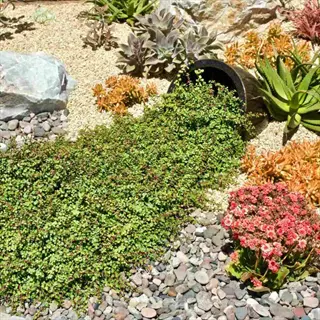
Creeping Thyme
- Type: A fragrant, low ground-hugging herb that forms a dense walkable carpet of tiny leaves.
- Water need: Low once established; it handles heat, poor soil, and dry conditions well.
- Hardiness: Reliably hardy across roughly USDA zones 4 to 9 in full sun.
- Wildlife: Clouds of small summer flowers are loved by bees and other pollinators.
- Use: A top choice for filling gaps between pavers and softening paths with foot-friendly greenery.
- Tip: It tolerates light foot traffic and releases a pleasant scent when brushed or stepped on.
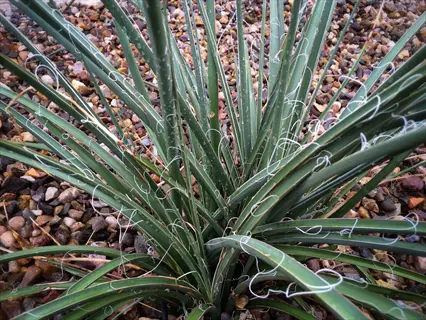
Red Yucca
- Type: A grass-like succulent (not a true yucca) with arching evergreen foliage and tall coral flower stalks.
- Water need: Extremely low; it is exceptionally heat- and drought-tolerant once established.
- Hardiness: Suited to roughly USDA zones 5 to 11, with strong tolerance for reflected heat.
- Wildlife: Long-blooming coral spikes are a favorite of hummingbirds through the warm months.
- Use: Excellent as a softening accent in gravel beds, parking strips, and hot south-facing borders.
- Tip: Remove spent flower stalks to keep plants tidy; it asks for almost no other maintenance.
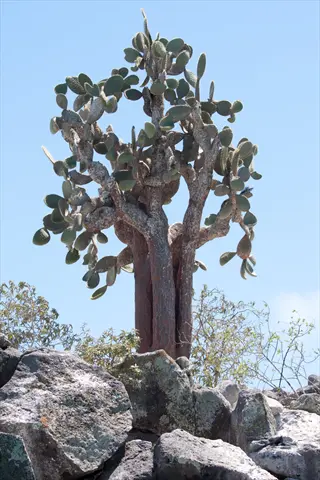
Prickly Pear Cactus
- Type: A hardy paddle-shaped cactus, with some species cold-tolerant enough for northern gardens.
- Water need: Extremely low; it stores water in thick pads and survives on rainfall alone in many climates.
- Hardiness: Cold-hardy species suit roughly USDA zones 4 to 11, far beyond the desert Southwest.
- Flowers: Showy yellow, orange, or pink flowers in late spring are followed by edible reddish fruit.
- Use: A bold, low-water focal point for gravel gardens, slopes, and hot, exposed sites.
- Caution: Pads bear spines and tiny barbed glochids, so wear thick gloves and site it away from paths.
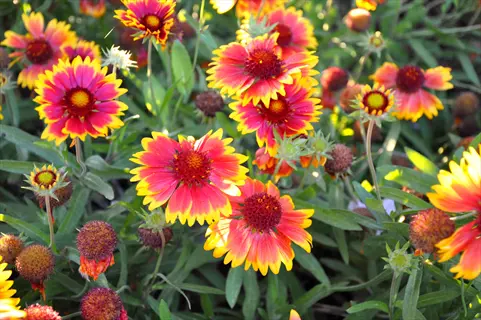
Blanket Flower (Gaillardia)
- Type: A cheerful short-lived perennial with daisy flowers in fiery red, orange, and yellow bands.
- Water need: Very low; it thrives in hot, lean, sandy soil and blooms through the heat of summer.
- Hardiness: Hardy across roughly USDA zones 3 to 10 in full sun.
- Wildlife: A long bloom season makes it a steady nectar source for bees and butterflies.
- Use: Brings nonstop warm color to dry borders, meadows, and tough roadside-style plantings.
- Tip: Deadhead regularly to extend flowering, and let some seed heads remain for self-sowing.
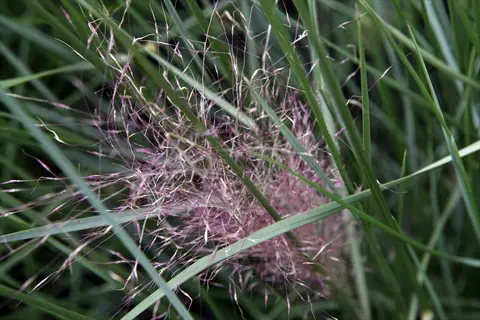
Muhly Grass (Pink Muhly)
- Type: A clumping ornamental grass famous for its haze of airy pink to purple fall plumes.
- Water need: Low once established; it tolerates heat, humidity, and dry spells with ease.
- Hardiness: Suited to roughly USDA zones 5 to 9 in full sun for the best flowering.
- Wildlife: Provides cover for small wildlife and seed interest in a low-water planting.
- Use: Striking when massed, where the pink fall plumes catch low light for weeks at a time.
- Tip: Cut clumps back in late winter before new growth emerges to keep them fresh and full.
One caveat keeps your hopes realistic. Even these tough plants need watering through about two growing seasons before they truly run on little water. They spend that time building deep roots, so water them through the first year or two, then taper off as they settle in. After that, most of the plants above ask for almost nothing beyond what the sky gives them.
Plant Types for Every Xeriscape
The best xeriscaping plants fall into a few clear groups, and you build your yard by mixing them. Think of it like furnishing a room. You need tall pieces for structure, mid-height fillers for color, and something to cover your floor.
Tall drought-tolerant shrubs and trees set your backbone and give you shade and privacy. Flowering perennials fill the middle with bloom and draw pollinators to your yard. Low ground covers knit the soil together and hide the bare gaps between your plants.
Succulents and cacti are the iconic choice here. Per National Geographic, cacti are the most common xeriscape plant. There are hundreds of species native to the Americas. But lean on them alone and your yard reads as barren rock. Add ornamental grasses, perennials, and shrubs, and the same space looks full and lush.
Here are the five plant groups that cover almost any dry-climate yard you have, with what each one does best for you.
Succulents and Cacti
- What they are: Plants that store water in thick leaves, pads, or stems, letting them survive long dry periods with almost no extra water.
- Examples: Agave, sedum, ice plant, red yucca, and prickly pear, which is hardy far beyond the desert in some species.
- Best use: Bold focal points, gravel gardens, slopes, and hot, exposed beds where their forms stand out.
- Care note: They need sharp drainage above all; standing water around the crown or roots is the most common cause of failure.
Ornamental Grasses
- What they are: Clumping or spreading grasses that add movement, texture, and seasonal plumes with very low water needs.
- Examples: Blue grama grass, pink muhly grass, and other prairie and Mediterranean natives suited to dry sites.
- Best use: Soft mass plantings, low-water lawn alternatives, and airy backdrops for flowering perennials.
- Care note: Most need only an annual cut-back in late winter or early spring before fresh growth emerges.
Mediterranean and Native Perennials
- What they are: Long-lived flowering plants from dry climates that bloom on little water and return each year.
- Examples: Lavender, Russian sage, penstemon, yarrow, blanket flower, and purple coneflower.
- Best use: The colorful workhorses of a xeriscape, filling borders with flowers that draw pollinators.
- Care note: Most prefer lean, sharply drained soil and bloom better when not overfed or overwatered.
Drought-Tolerant Shrubs and Trees
- What they are: Woody plants that provide year-round structure, shade, and privacy with low water once established.
- Examples: Manzanita, desert willow, Texas ranger, and many junipers used as evergreen anchors.
- Best use: Backbone and screening plants that frame the garden and reduce reflected heat on the yard.
- Care note: These benefit most from the two-growing-season establishment period before water is reduced.
Native Plants and Ground Covers
- What they are: Low, spreading plants and regional natives that knit the ground together and suppress weeds.
- Examples: Creeping thyme, low sedum, ice plant, and native wildflowers suited to your local conditions.
- Best use: Filling gaps between pavers, covering slopes, and replacing thirsty lawn in low-traffic areas.
- Care note: Native ground covers resist local drought, pests, and disease and need less frequent watering.
Whatever groups you pick, weight your list toward native plants for your area. Over the years, they adapt to your local soil and weather, as Salt Lake City Sustainability notes. So they shrug off drought, common pests, and disease. They also need less frequent watering and feed local pollinators. That makes them the smartest backbone for your low-water yard.
Native plants have adapted to local conditions over time, so they resist drought, common pests, and disease, need less frequent watering, and support local pollinators and biodiversity.
How Much Water Xeriscaping Saves
Most household water does not vanish in the kitchen or the shower. It soaks into the yard. The EPA says outdoor use is more than 30% of home water on average. In dry regions it climbs to as much as 60%. That makes your plants the biggest lever you have for water conservation.
Worse, a lot of that water never reaches a root. The EPA says as much as 50% of outdoor water is lost to wind, evaporation, and runoff. A leaky sprinkler setup can waste up to 25,000 gallons a year on its own. So part of your bill just waters the air and the sidewalk.
This is why the right plants change the math so much. Trade thirsty turf for low-water landscaping and you cut the demand at its source. National Geographic says supporters claim xeriscaping can reduce water use by 50% to 75%. Treat that as a claimed range, not a promise. The number comes from supporters, not one controlled study.
Real programs show you can save water at scale. Homes in Novato, California made the switch. They saved 120 gallons per home each day, per National Geographic. In Southwest cities, 50% or more of summer home water goes to outdoor watering. So the savings stack up fast where it is dry.
You do not have to rip out everything to start. A WaterSense controller alone can reduce irrigation by up to 30%, per the EPA. That is about 15,000 gallons a year. Pair smart watering with drought-tolerant plants and you cut the waste from both ends.
Outdoor water use accounts for more than 30 percent of total household water use, on average, but can be as much as 60 percent of total household water use in arid regions.
The Seven Principles of Xeriscape
A good plant list gets you halfway. The seven xeriscape principles turn that list into a yard that saves water. NMSU built the framework. It covers how you plan the space and how you keep it alive once it fills in.
It all starts with hydrozoning, the heart of smart xeriscape design. You group your yard by water need. Thirsty and tough plants no longer share the same hose. An oasis zone near the house gets the most water. A transition zone gets a moderate amount. A low-water-use zone needs little or none once it settles in.
Think of it like sorting laundry by how much care each load needs. You don't wash delicates the same way you wash work jeans, and you shouldn't water a fern the same way you water an agave. Hydrozoning puts each plant with its own kind, so water goes where it counts and nothing gets drowned or starved.
Start with a plan that groups the yard by water need, a step called hydrozoning, with an oasis zone near the home, a moderate transition zone, and a low-water zone.
Match watering to each zone and favor drip or subsurface systems, which have documented 30% to 50% water savings over spray watering.
Spread mulch about 3 to 4 inches deep to slow evaporation, suppress weeds, and keep roots cooler through hot, dry spells.
Improve the soil before planting so it can hold both water and air for roots, especially in dense clay or fast-draining sand.
Limit thirsty lawn to areas you actually use, and choose drought-tolerant grasses or a low-water lawn alternative elsewhere.
Select drought-tolerant and native species suited to your region and group them by their shared water needs.
Keep up with pruning, weeding, and mulch renewal, since a xeriscape is a low-maintenance landscape, not a no-maintenance one.
Two of these principles pull the most weight. Efficient irrigation with drip or subsurface lines cuts water use 30% to 50% over spray heads, per NMSU. A layer of mulch about 3 to 4 inches deep blocks weeds and slows evaporation. Your soil then holds onto every drop you give it.
You don't have to nail all seven at once. Start with hydrozoning your plan, then layer in drip lines and mulch as your budget allows. Each step you add makes the next plant you pick work harder for less water.
Planting and Establishing Xeric Plants
Even the toughest drought-tolerant plants cannot run on little water right away. They need your help getting going first. Plant establishment is the window where young roots reach down and learn to find their own moisture. Get it right and your whole bed pays off for years.
My blue grama grass nearly went in the trash. I planted a row one spring on the hot, dry back slope by my Colorado driveway. It looked thin and patchy all through its first summer. By August I had the shovel out, ready to pull the whole sad strip. I gave it one more season and kept the water coming. The second summer it filled into a tough, self-sufficient stand that I now mow once a year and forget about.
That second-season payoff is the rule, not luck. Colorado State University says most xeric woody plants need at least two growing seasons to settle in. You water them through that stretch, then ease off the hose bit by bit. Cut the water too soon and the roots never go deep enough to carry the plant alone.
Start with soil preparation before a single plant goes in. Dig an 18 by 18 inch hole and fill it with water. If the water still stands after 30 minutes, your drainage is poor and the soil needs work. Dense clay leaves little room for water and air. Mix in organic matter to open it up and build the well-drained soil these roots want.
Dig an 18 by 18 inch hole and fill it with water. If water stands more than 30 minutes, your drainage is poor and the soil needs amending before planting.
Loosen the bed and mix organic matter into dense clay so roots can reach both water and oxygen, which compacted clay otherwise crowds out.
Set plants out in cooler fall or early spring weather so roots can establish before the stress of summer heat and dryness.
Water regularly for about two growing seasons so woody plants build the deep roots they need, then gradually reduce irrigation.
Mulch about 3 to 4 inches deep to hold moisture, and keep reduced-water trees and shrubs out of thirsty lawn areas.
Your watering during establishment should go deep but not often. A long, slow soak pulls roots down to chase the moisture, while a daily sprinkle keeps them lazy near the surface. Keep these reduced-water plants in their own bed, away from any thirsty lawn, so the grass watering does not drown them.
Even durable woody plants usually need at least two growing seasons of regular watering to establish before you cut back on irrigation. Reducing water too soon is the most common reason xeriscape plantings fail.
Xeriscape Plants by Region and Zone
The best xeriscape plants by region are the ones already built for your local weather, soil, and rainfall. Picking by region works like dressing for the day you actually have, not a generic forecast on the news. A plant from your own area shows up ready for the heat, cold, and dry spells it will face.
This is why native plants so often make the strongest choices. They grew up in your local soil and weather. So they shrug off the same dry spells, bugs, and disease that stress plants brought in from far away. Salt Lake City's guidance puts it plain. Natives fit the area and need watering far less once they settle in.
Drought tolerance is regional, not one trait a plant carries everywhere. A plant can laugh off dry heat in Arizona and still rot in a wet Northeast winter. So check two things before you buy any drought-tolerant plants. Make sure the plant fits your USDA hardiness zones. And make sure it matches your rainfall, not just dry weather in general.
This list spreads xeriscape plants by region across roughly seven slices of the country, from the blazing Southwest to the cold Northeast. Use your own area as the starting point, then narrow down to the species that suit your yard's sun and soil. Most of these picks are local natives or close cousins that have proven themselves in tough, dry ground.
Don't count yourself out if you live somewhere cool and wet. The Pacific Northwest has damp winters, but it bakes through dry summers too. Those dry months suit lavender, manzanita, and creeping thyme. Every region has strong xeric options. Match the plant to your zone and rainfall, then let it do the hard work for you.
5 Common Myths
Xeriscaping means a barren yard of rock, gravel, and a few sad cacti with nothing green or colorful in sight.
A xeriscape is a water-conserving design, not a barren landscape. It can include grasses, perennials, shrubs, and flowers for year-round color.
Once you plant drought-tolerant plants, you never have to water them at all because they survive on rainfall alone.
Even xeric woody plants need watering for about two growing seasons to establish before irrigation is gradually reduced, per CSU Extension.
Xeriscaping is a no-maintenance landscape that you can plant once and then completely forget about for years.
Xeriscape needs ongoing care like pruning, weeding, and mulch renewal. Appropriate maintenance is one of the seven xeriscape principles.
Xeriscaping only works in hot desert states like Arizona and is pointless in cooler or wetter parts of the country.
Xeriscape principles apply anywhere. Plants are chosen by region and USDA zone, so cool and temperate climates have their own xeric options.
You should heap mulch as deep as possible around xeriscape plants because more mulch always means better water savings.
Mulch about 3 to 4 inches deep works as an effective weed barrier and holds moisture. Excessively deep mulch can smother roots.
Conclusion
A xeriscape is not a barren patch of rock and cactus. It is a deliberate, water-saving design. It can be just as full and colorful as any normal yard. The whole idea comes down to picking drought-tolerant plants that fit your region and zone. Then you give them the conditions they want.
The reason to do this comes down to plain numbers. Outdoor watering is more than 30% of household water use, per the EPA, and most of that goes to thirsty lawns and beds. Supporters of xeriscaping say it can cut water use by 50 to 75%, per National Geographic. That is a big swing in your bill and in what your yard pulls from the local supply.
Here is the part that trips people up. Even tough plants need help at first, so plan to water through about two growing seasons before you pull back. Pick the right xeriscaping plants for your area, follow the seven principles of good design, and let those roots dig in deep. After that, your watering can drops fast.
You do not have to redo the whole yard this weekend. My first year, I planted one low-water bed. I pulled a small strip of grass and dropped in a few hardy perennials. Then I watched how they did through a full season. The term xeriscape came from Denver Water back in the early 1980s, and the same simple ideas now help yards in nearly every region. Smart water conservation and easy low-water landscaping are within reach for any homeowner, one bed at a time.
Glossary
- Drip irrigation
- A watering system that delivers water slowly at soil level, cutting waste from wind, evaporation, and runoff.
- Glochids
- The tiny barbed bristles on prickly pear cactus pads that lodge easily in skin.
- Hydrozoning
- Grouping a yard into zones by water need so thirsty and drought-tolerant plants are watered separately.
- Low-water-use zone
- The outer hydrozone of a xeriscape that gets little or no supplemental water once plants are established.
- Oasis zone
- The highest-water-use area of a xeriscape, usually placed near the home where plants get the most water.
- Transition zone
- A middle hydrozone that receives moderate, occasional watering between the oasis and low-water areas.
- Xeric plants
- Plants adapted to survive on very little water, often through deep roots or water-storing tissue.
- Xeriscape
- A landscape designed to use little or no supplemental water, not a barren rock yard.
External Sources
Frequently Asked Questions
What plants are used in xeriscaping?
Xeriscaping uses drought-tolerant plants grouped into a few main categories.
- Succulents such as agave and sedum
- Ornamental grasses like blue grama and muhly grass
- Mediterranean perennials such as lavender and Russian sage
- Native shrubs, ground covers, and wildflowers
Which plant is most resistant to drought?
Cacti and agave are among the most drought-resistant plants, storing water in thick tissue to survive long dry spells.
What are the best plants to grow between pavers?
Low, walkable, drought-tolerant ground covers work best between pavers.
- Creeping thyme
- Low-growing sedum
- Ice plant (delosperma)
- Common yarrow
How much water does xeriscaping actually save?
Supporters say xeriscaping can reduce water use by 50 to 75 percent, and one California program documented 120 gallons saved per home per day.
How long do xeriscape plants take to establish?
Most xeric woody plants need at least two growing seasons of regular watering to establish before irrigation is gradually reduced.
What are the seven principles of xeriscaping?
The seven principles are planning and design, efficient irrigation, mulch, soil preparation, appropriate turf, water-efficient plants, and appropriate maintenance.
Which xeriscape plants grow well in shade?
Several drought-tolerant plants tolerate partial shade, so a xeriscape is not limited to full-sun, desert species.
Are xeriscape plants the same as desert plants?
No. Desert plants are one group of xeriscape plants, but many xeric perennials, grasses, and shrubs come from temperate regions, not deserts.
What is the best low-maintenance ground cover for a xeriscape?
Sedum, creeping thyme, and ice plant are among the best low-maintenance, drought-tolerant ground covers for a xeriscape.
When is the best time to plant xeriscape plants?
Cooler seasons, especially fall and early spring, give roots time to establish before summer heat and reduce water stress.