The seven principles of xeriscaping give you a simple plan to save water. The first three are planning and design, efficient irrigation, and use of mulch. Next come soil preparation, appropriate turf, and water-efficient plants. The seventh is appropriate maintenance. A working xeriscape is built on this framework. It is not a pile of tough plants you hope will live. The principles turn a plant list into a yard that saves water.
Skip the framework and even drought-tolerant plants struggle. Good xeriscape design ties every choice together so the parts work as one system. Each principle covers a different piece, and they build on each other from the ground up.
The first principle does the heavy lifting, and it leans on a method called hydrozoning. You split the yard into three zones based on how much water each spot needs. The oasis zone sits near the house and gets the most water, often a patio bed or a small lawn you actually use. The transition zone gets moderate water and bridges the lush areas and the dry edges. The low-water zone sits farthest out and gets little or no extra water once plants take hold.
Grouping plants this way stops the most common waste. You water the whole yard for its thirstiest spot when zones are mixed, which soaks plants that never needed it. Map your zones first and every later choice gets easier.
Map the yard and group areas by water need using hydrozoning: an oasis zone, a transition zone, and a low-water zone.
Use drip or subsurface watering matched to each zone, which can save 30% to 50% of water over spray systems.
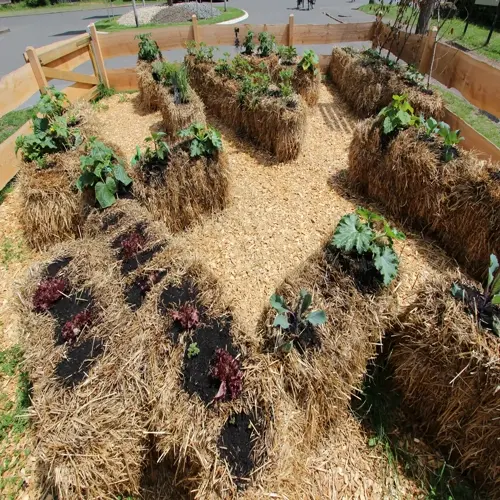
Apply mulch about 3 to 4 inches deep to suppress weeds, hold moisture, and protect roots.
Improve soil so it holds both water and air, especially in heavy clay or fast-draining sand.
Keep thirsty lawn only where you use it and choose low-water grasses or alternatives elsewhere.
Select drought-tolerant and native species and group them by shared water needs.
Prune, weed, and renew mulch as needed, since a xeriscape is low maintenance, not no maintenance.
Irrigation is where you save the most water once your zones are set. Subsurface drip puts water straight at the roots and can cut your use by 30% to 50% compared with spray heads. Spray loses a chunk to wind and evaporation before it ever reaches the soil. Match each zone to its own line so the dry edges never get the same flow as the oasis bed.
Mulch backs up your irrigation and pulls real weight on its own. A layer about 3 to 4 inches deep suppresses weeds, slows evaporation, and keeps roots cooler through summer heat. Bare soil bakes hard and sheds water before it soaks in. Wood chips work for beds, while gravel suits the low-water zone and the hottest spots.
The middle three principles set the stage for healthy plants. Good soil holds water and air at once, so dig in compost for heavy clay and to give fast-draining sand something to grip. Keep turf only where you walk or play, and swap thirsty grass for a low-water variety everywhere else. Then pick water-efficient plants, lean on natives, and group them so each one shares its neighbors' water needs.
The last principle keeps the whole thing alive for years. A xeriscape is low maintenance, not no maintenance, so plan on light, steady care. Prune in season, pull weeds before they seed, and top up mulch once a year as it breaks down. Start with the planning principle this weekend by sketching your three zones, and the other six fall into place from there.
Read the full article: 15 Best Xeriscaping Plants for Your Yard