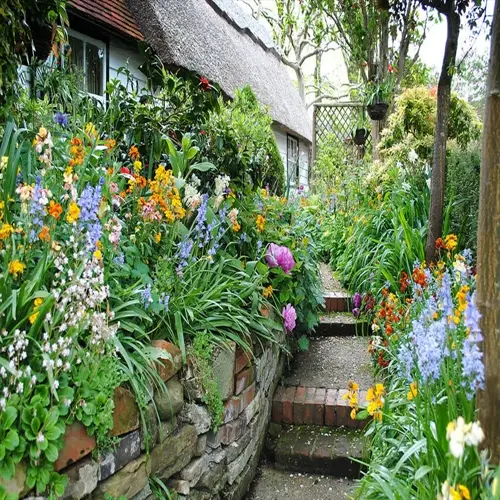

By the second summer my back strip was loud. Bumblebees worked the knapweed from morning until dusk, and the whole patch hummed when I walked past. I had worried that a small meadow garden this size was too cramped to matter. The strip runs maybe a meter wide along the fence. The bees did not agree.
Yes, you can grow a meadow in a small yard, and it pulls real weight for wildlife. A mini meadow of just 4 square meters (43 square feet) still feeds bees, butterflies, and hoverflies all season. You do not need a big field to make a difference. A spare corner is plenty to start.
Here is why the size works in your favor. Pollinators forage across many small patches, not one giant block. A bee will hop from your strip to a neighbor's verge to a roadside in a single trip. Research suggests that many small meadows spread across a town can help bee numbers as much as a few large ones. The patches act like one big food source even when they sit far apart.
The data backs this up. A study from the University of Sussex sowed tiny test plots and tracked what showed up. Each 4 square meter mini meadow supported about 111% more bumblebees the year after sowing. Across all the sites they counted 66 wild bee species. That is a huge return for a patch the size of a parking space.
Think about what that means for your yard. One small wildflower meadow links up with every other flowering scrap nearby. Your strip becomes a stepping stone. The bee that feeds on your plants in the morning may nest two gardens down. Small patches stitch a town together for wildlife, and your yard becomes one knot in that web.
So where do you start? Pick the sunniest spot you have. A strip along a fence, a curbside verge, or a corner of lawn all work well. Most meadow flowers want at least six hours of sun a day. Shade gives you weak, leggy plants and far fewer blooms. When in doubt, watch the spot for a day and see how long the sun stays on it.
Reach for a mix of native flowers that bloom at different times. I lean on knapweed, oxeye daisy, red clover, and bird's foot trefoil because they feed bees from late spring into fall. A spread of bloom times keeps food on the table for months. A single short burst of flowers leaves your bees hungry by August.
Timing matters too. Sow in early fall or early spring when the soil is damp and cool. Fall sowing gives many seeds a cold spell they need to wake up. I sowed my own strip in September and saw the first leaves before winter set in. Mark your spot so you do not weed out the young plants by mistake.
Clear the spot, then sow your seed at about 4 grams per square meter. That rate sounds light, but it is right. Sow too thick and the plants crowd each other and flop. I scattered mine by hand on a still day so the seed did not blow off course. Rake the seed in, water once, and let the rain do the rest from there.
One last tip that trips people up. Skip the compost and fertilizer, even at this small scale. Rich soil feeds grass and weeds, and they choke out your flowers. Meadow plants want lean, poor ground. The hungrier the soil, the more blooms you get and the more bees follow. Give your small meadow garden two summers and it will hum like mine does.
Read the full article: Meadow Garden: A Complete Beginner Guide