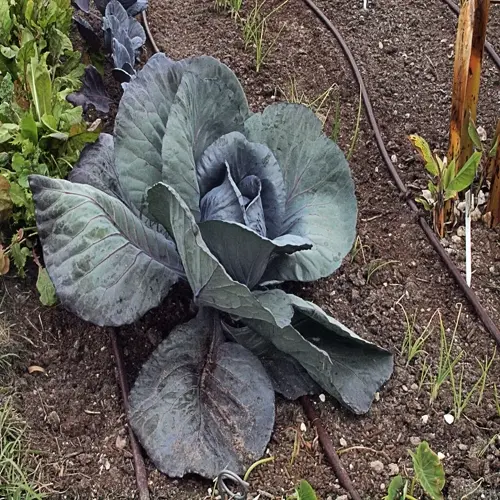

The bed by my back fence held green spinach all winter under a single floating row cover. A hard freeze killed the lawn around it, but those plants gave me the earliest spring picking of the whole garden. The crop I sowed in July told a different story. It bolted within weeks and turned bitter before I got a single full salad.
You cannot grow true spinach all year round in most climates. But growing spinach year round in the loose sense, with leaves on your plate most months, is very doable. The trick is layering crops across the cool shoulders of the year instead of fighting summer. Overwintering spinach carries the gap from fall into the first warm days of spring.
Spinach hates two things at once in summer, and they arrive together. Long days past 14 hours trigger the plant to bolt, which means it shoots up a flower stalk and stops making good leaves. Heat above 80°F (27°C) speeds that up. So the middle of summer is the one true gap. You plant something else for those weeks rather than forcing a crop that will fail.
I stopped fighting that gap years ago and now lean on summer stand-ins. Malabar spinach climbs a trellis and loves the heat that would flatten true spinach. New Zealand spinach spreads low and keeps cutting all the way to frost. Neither one is real spinach, but cooked down in a pan you would be hard pressed to tell. They cover the six or eight weeks when the genuine article simply will not behave.
The cold end of the calendar is far more forgiving than people expect. Mature spinach shrugs off temperatures down to 15 to 20°F (-9 to -7°C) without much fuss. With a little protection you can keep picking into December in many regions. In milder areas, fall-sown plants sit dormant through the worst weeks and roar back the moment light returns. Both Maryland and Penn State extension list it as a proven crop. So the cold does not end your spinach. It just slows it down.
Here is the simple plan I run every season to keep the harvest going.
Sow a short row every two to three weeks from early spring. Each batch matures before the heat hits, so you pick young leaves for months.
Skip true spinach in the hottest weeks. Plant Malabar spinach or New Zealand spinach instead, since both thrive in heat and fill the same role in the kitchen.
Sow heavily in late summer for fall. Cooler nights and shorter days give you the sweetest, most tender leaves of the year.
Cover the last fall planting with a row cover or cold frame. These plants overwinter and hand you the first picking of spring.
That last step is where season extension earns its keep. A floating row cover adds a few degrees of warmth and blocks drying wind, which is often enough to carry plants through a hard winter. A cold frame does even more and lets you cut leaves on a sunny day in January. Neither tool is expensive, and both turn a dead patch of soil into a working bed.
So the honest answer sits between yes and no. You will not pick true spinach every single week of the year in most gardens, and the deep summer weeks belong to substitutes. But spring succession, a heavy fall sowing, and one good cover stretch the real thing across most of the calendar. Aim for three plantings and one row cover, and you will eat far more spinach than you ever thought a single bed could give.
Read the full article: Spinach Growing Guide for Sweet Leaves