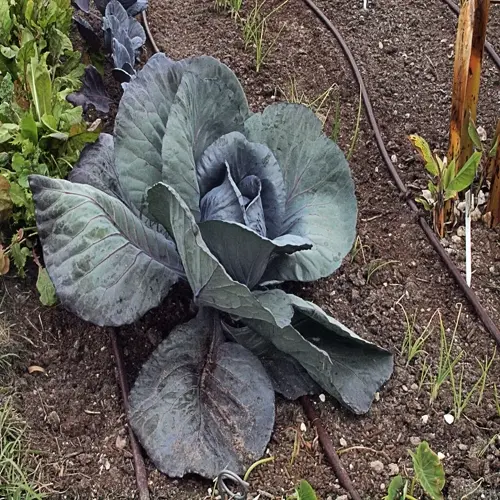

"You're wasting your time, it's far too late to plant anything now," my neighbor called over the back fence one warm September morning. I just smiled and kept raking my bed flat. That fall-sown row went on to give me the sweetest spinach of the whole year, long after his summer crop had bolted and turned bitter.
So yes, you can absolutely grow spinach in September and October. Fall spinach planting is one of the best times of the entire year to put seed in the ground. The cooling soil and shorter days work in your favor, not against you, and that is exactly why a late sowing beats a summer one.
Here is what most people miss about sowing spinach in september. Spinach hates long, hot days. When daylight runs past 14 hours, the plant panics and races to flower, which we call bolting. Bolting turns the leaves tough and bitter fast. Fall does the opposite of that trigger. Days get shorter and the soil cools down, so the plant never gets the signal to flower.
Instead the crop grows slow and steady through the cool weeks. That slow growth is the whole secret behind the flavor. Cold nights push the plant to store more sugar in its leaves, so your fall spinach tastes sweeter and more tender than anything you pick in June. This is the real reward of fall spinach planting. Stress makes summer spinach bitter, and calm fall weather makes it sweet.
Timing is the one thing you have to get right. Penn State points to a fall window of 6 to 8 weeks before your first frost for the main sowing. Count back from your average frost date and mark that spot on a calendar. For most northern gardens that lands you squarely in early to mid September, which is the sweet spot for a strong, leafy crop.
Early September can throw you one curveball. If the soil is still warm from summer, your seed may sit and sulk instead of sprouting. The fix is simple. Pre-chill your seed by wrapping it in a damp paper towel and tucking it in the fridge for about a week before you sow. That cold spell wakes the seed up and gets it germinating in warm ground.
An october spinach crop is very doable too, and the cold barely bothers these plants. Spinach is tough. It shrugs off temperatures down to 15 to 20°F (-9 to -7°C) without missing a beat. For a later sowing, throw a row cover over the bed once the nights turn sharp. That thin layer of fabric traps a few degrees of warmth and keeps the leaves growing.
With that protection your harvest stretches well past the first hard freeze. Under a simple cover, you can pick fresh leaves into December. Maryland gardeners do it every year while the rest of the plot sleeps. I have done the same in my own beds. The crowns sit low and tight to the soil, so the fabric tents over them with room to spare, and the leaves keep their color even after a snow dusting.
One last tip from my own rows. Sow a little thicker than you think you need to, because germination drops off as the soil cools. I scatter the seed in a wide band rather than a single thin line, then thin out the weak seedlings later. The thinnings go straight into a salad, so nothing goes to waste while the rest of the bed fills in.
So ignore the fence-line advice. Get your seed in the ground 6 to 8 weeks before frost, pre-chill it if the soil is still warm, and add a cover for the late rows. Do that and you will be eating sweet spinach long after summer is gone and your neighbor's garden has packed it in for the year.
Read the full article: Spinach Growing Guide for Sweet Leaves