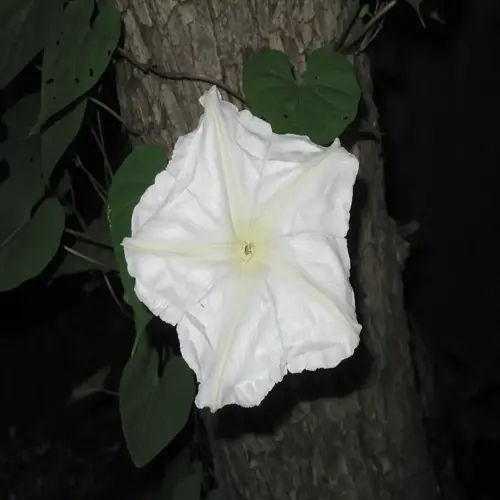

Every May, fresh green shoots push up through the mulch on the back-fence arbor in my zone 7 North Carolina garden. The whole vine had looked completely dead all winter, just brittle brown stems with not one leaf left on them. Yet here it comes again, the same plant climbing the same fence boards it climbed last year. Yes, passionflower vines come back every year. This plant is a tough passionflower perennial. It returns from its roots each spring once the cold lets up.
The dead-looking top growth fools a lot of gardeners, and it fooled me my first winter too. Those stems really do die off in cold weather, but the roots stay alive down in the soil. Passionflower winter hardiness is the key thing to understand here. The plant is rated for USDA zones 5 to 9, which covers most of the country. In those zones the roots ride out the cold and send up new growth once the soil warms back up.
Here is what happens below the surface in your garden. In a cold winter the vine dies all the way to the ground, then resprouts from the roots in spring. It works like many other perennials that vanish in fall and reappear months later. The crown and the root system hold the energy the plant needs to start over, so even a vine that looks like a pile of dead sticks still has life in it. I have watched my own passionflower perennial do this for six years running.
Your climate changes how this vine behaves through the seasons. Use the quick guide below to set your own expectations before you plant or worry.
In zones 5 to 7 the vine acts as a root-hardy perennial. The top growth dies back hard each fall, but the roots survive underground and push out fresh shoots in spring. Farther south in zones 8 to 9 the plant stays more woody and can hold onto its leaves through a mild winter. The colder your area is, the more the vine leans on those roots to make its way back each year.
Cold winters put real stress on the roots, so you should give them some help. A loose winter mulch spread over the crown traps warmth in the soil and buffers the roots against hard freezes. You can use a few inches of shredded leaves, straw, or bark. Keep the layer loose so air and water still move through it. Pull it back a bit once you see spring growth starting, so the new shoots get light and air right away.
When you mulch and protect the crown matters as much as how you do it. The short routine below keeps your vine safe through winter and ready to climb again.
Trim the dead or dying stems after the first hard frost so the crown sits clear and clean.
Pile a loose few inches of leaves or straw over the root zone to hold warmth in the soil.
Leave the roots alone until late spring and watch for new shoots before you judge the plant.
Ease the mulch away once shoots appear so the fresh growth gets full light and good airflow.
The biggest mistake I see is gardeners giving up too soon. A bare, stick-like vine in early spring is not a dead vine. Passionflower is a late riser, and it is often one of the last plants to wake up in the garden. Do not dig it up and do not toss it on the compost pile. Wait for resprouting before you judge the plant, because passion vine regrowth can show up weeks after everything else has leafed out. Mulch the crown each fall, leave the roots in place, and your vine should climb that fence again next season.
Read the full article: Passionflower Vine: Grow, Care and Uses