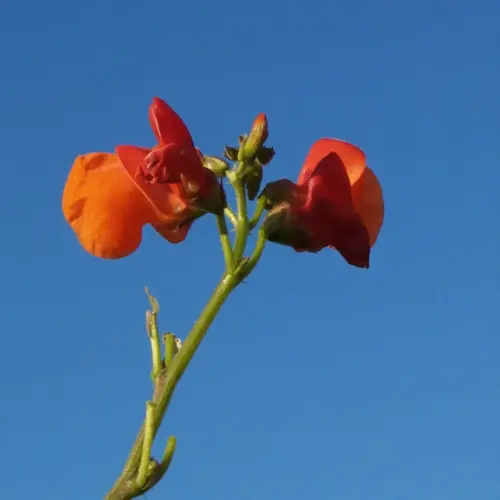

A wide pot of dwarf Supersnoop sweet peas sits on my patio every June, right beside the netting-covered back fence where my tall climbers run. I planted the same seed packet in both spots one spring to see what would happen. The pot trails scent and color at eye level, where the ground row never reaches that high. Both spots earn their place, and neither one beats the other across the board.
Sweet peas in pots and sweet peas in the ground both grow well, so your real choice comes down to your space and the type you plant. Pots win for small patios, balconies, and dwarf varieties you want close to a door. The ground wins for long rows of tall climbers that need height and room to spread their roots.
Growing sweet peas in ground gives the roots what they like most. Open soil stays cool and deep, and the roots run far down to find their own water during dry spells. That deep, cool root run is what feeds a plant tall enough to cover a whole fence. If you have a bed to spare, the ground asks less of you once the plants are up and climbing.
Pots flip the trade-off in your favor when space is tight. You get full control over the soil you use, and you can set the pot on a balcony or a hard patio where there is no bed at all. But a pot heats up faster than open ground and holds far less water. On a hot day it can dry right out, so you water more often to keep your plants happy. That extra watering is the price you pay for the freedom to grow anywhere.
Size is the part most people miss when they pick a spot. Standard climbers reach 5 to 7 feet (1.5 to 2.1 m) and want deep, cool soil they can sink their roots into. Try to grow those in a small pot and they stall the moment the roots hit the bottom and run out of room. Your blooms shrink and the plant fades early in the heat. The ground suits these tall types far better, so give them a bed and a sturdy frame to climb.
Dwarf types are the smart pick when you want a pot. They top out at 8 inches to 3 feet (20 to 90 cm), so a single deep container holds them with room to spare for the roots. These shorter plants still flower hard and throw plenty of scent your way. They trail over the rim or stand on a short support without needing a tall frame to climb. That makes them perfect for a balcony rail or a sunny doorstep.
For container sweet peas, start with the pot itself before you think about seed. Pick a deep, wide one, at least 12 inches (30 cm) across, with real drainage holes so the roots never sit in water. Sweet peas have long roots, so depth matters more than width here. Fill the pot with rich potting mix and feed every couple of weeks once the buds form, since a pot holds fewer nutrients than open ground.
Watering is where most pot growers slip up. Plan to water more often than you would a bed, sometimes every day once the summer heat sets in. Stick a finger in the top inch of soil, and if it feels dry, give the pot a deep drink until water runs out the bottom. A pot in full sun on a warm afternoon can use up its water by the next morning, so keep an eye on it.
So here is the simple rule I follow in my own garden. Reserve the ground for long climbing rows that need height and a deep, cool root run. Use a big pot for dwarf types on a patio or balcony where you want the scent close by. Match the plant to the spot you have, water your pots more often, and both setups will pay you back with a long run of flowers.
Read the full article: Sweet Pea Vine: Complete Grow Guide