
No, you rarely need to prune a skimmia. The shrub is neat by nature and slow growing, so it holds a tidy shape with almost no help from you. With pruning skimmia, you take off the odd damaged stem and leave the rest. You do not reshape the whole plant each year. For most gardeners it is one of the lowest effort evergreens you can plant. You can leave it be and it will still look good.
Leave a skimmia alone for five or six years and it still keeps a rounded, even dome on its own. The growth is slow and dense, so the plant fills in from the base instead of getting bare and leggy at the bottom. That natural habit is the whole reason heavy cutting back skimmia stems is almost never the right call. The plant does not race away and outgrow its space the way faster shrubs do, so you are not forced to keep it in check with the shears.
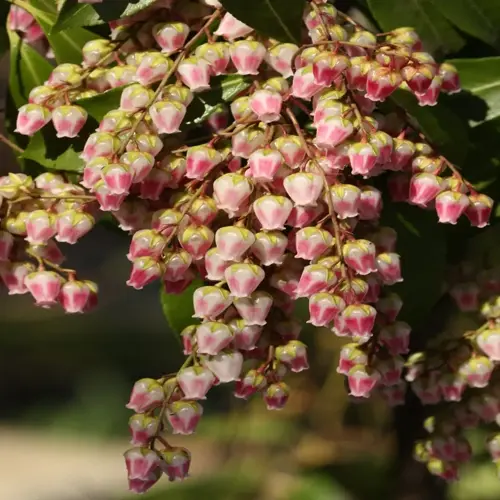
There is a real trade-off if you do decide to reach for the shears. On a female plant, the stem tips carry the developing flower buds that later turn into those bright red winter berries. Cut those tips off and you remove next season's display in one go. So your shaping has to stay light and careful. Treat your plant gently. Never shear it flat like a box hedge, because that approach strips off the very growth you bought the plant for in the first place.
Knowing when to prune skimmia is what keeps you out of trouble here. The safe window is right after flowering in late spring, once the scented blooms have faded. Work in that window and the plant has the whole growing season ahead of it to set fresh buds for the following winter. The RHS backs this up. It says pruning stays minimal because the shrub is compact by habit. You are just tidying it, not training or controlling it like a hedge.
When you do pick up the secateurs, keep the whole job small and quick. Take out any dead, damaged, or wayward stems that break the rounded outline, and then stop there. On a female plant, snip even less than that so you hold onto most of your berries through winter. A few balancing cuts are plenty for a season. The plant handles the rest of the shaping on its own, which is why pruning skimmia stays such a light task for you.
One thing the RHS warns about is old, neglected shrubs that have been left far too long. Hard renovation seldom works on skimmia. The plant does not push fresh growth from bare, woody stems the way many other shrubs do after a hard cut. Cut a tired specimen back to a stump and you often end up staring at bare wood. The recovery is slow and patchy at best, and sometimes your plant does not come back at all.
So if you have inherited a sparse, leggy plant that has gone well past its best, replacing it is your smarter move by far. Your new young plant will look better within two seasons than a butchered old one will manage in five. That single decision saves you years of waiting on a shrub that may never recover its shape.
- Inspect: After flowering, look over the shrub and mark any dead, damaged, or wayward stems that spoil the rounded shape.
- Trim: Remove only those few stems with clean secateurs, cutting back to a healthy side shoot or the base.
- Protect females: On a berrying female, leave most stem tips alone so the winter berries still form.
- Replace if failing: Skip hard renovation on an old, bare shrub and plant a fresh young one instead.
For everything else, your skimmia maintenance stays light. Feed it in spring, keep a mulch over the roots, and pull a few stray stems after flowering each year. Do that much and your shrub stays neat, leafy, and full of berries on its own. You do not need to fuss with it beyond that easy routine. That is what makes skimmia such a good plant for you to live with for years.
Read the full article: Skimmia Japonica: Complete Care Guide