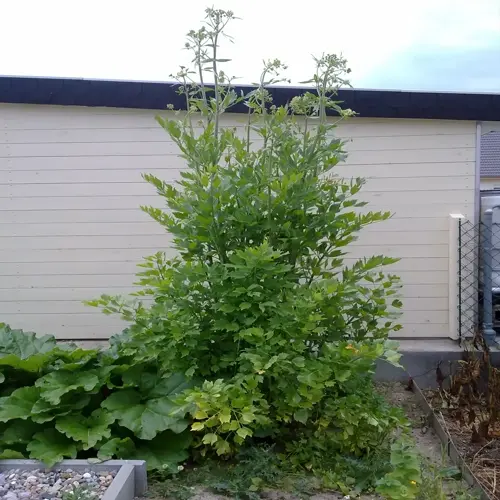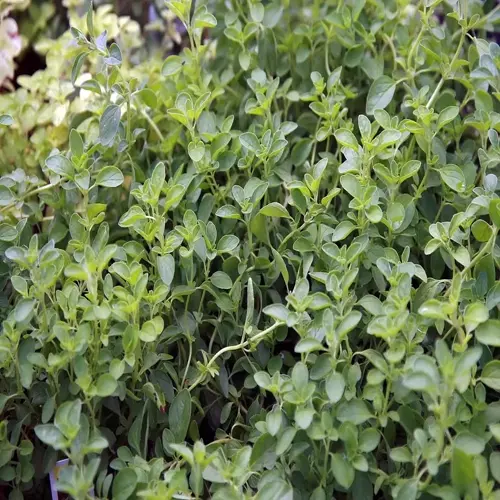

Parsley wants sun, and the parsley sun requirements are easy to hit. Give the plant 6 to 8 hours of direct sun each day and it grows the way you want it to. The difference shows up fast in the leaves. Parsley stuck in deep shade goes leggy and pale, with thin stems that stretch and reach toward whatever scrap of light they can find. Plants grown in parsley full sun stay compact and dark green, with sturdy stalks and tight, frilly leaves. That second look is the one you are after, and it comes down almost entirely to how much sun the plant gets.
The reason sits in how the plant feeds itself. Sunlight is what powers photosynthesis, the process a parsley plant uses to turn light into sugars. Those sugars are the food that builds new leaves. More light means more fuel, and more fuel means more leaf growth and a fuller plant. Cut the light too far and the plant runs short on energy. It cannot make enough sugar to fill out, so it does the only thing it can. It stretches its stems toward the brightest spot it can reach, hunting for more light. You end up with weak, sparse, stretched growth and long bare gaps between leaves instead of the thick bushy clump you wanted.
That stretching has a name. Gardeners call it getting leggy, and it is the clearest sign your parsley needs a sunnier home. The leaves also turn a thin, washed-out green because the plant cannot build enough chlorophyll without strong light. Move a leggy plant into more sun and the next round of growth comes in shorter, darker, and far more useful in the kitchen. The table below sums up what parsley needs at a glance, so you can match the light to your own spot.
Heat changes the math a little. In regions where summer temperatures sit above 90°F (32°C), that same full sun can scorch the leaf edges and push the plant to bolt early. Bolting means the parsley shoots up a flower stalk and turns bitter, which ends your harvest. This is where parsley afternoon shade earns its keep. Let the plant soak up the cooler morning sun, then give it some cover during the harsh midday and afternoon hours. The shade keeps the soil cooler and the leaves tender. Your plant keeps producing well into the season instead of fading out in the first real heat wave. A spot on the east side of a fence or wall does this for you with no extra effort.
Growing parsley inside follows the same logic, you just have to supply the light yourself. A bright south-facing window that gets about 6 hours of daylight does the job for most of the year. Set the pot right up against the glass so the plant gets every bit of light. Turn it a quarter turn every few days so it grows even instead of leaning. Short on a good window? A simple grow light set a few inches above the plant fills the gap and keeps growth dark and compact. Run it for 10 to 12 hours a day to match what good outdoor sun would give. Without enough light indoors, parsley stretches toward the glass and the leaves thin out fast. It is the same leggy problem you see in a shady outdoor bed.
The parsley sun requirements come down to one simple plan. Plant it where it gets 6 to 8 hours of sun and it pays you back with thick, dark green leaves all season. Add light afternoon shade only if your summers run hot above 90°F (32°C), and lean on a sunny window or a grow light when you garden indoors. Watch the plant for the warning signs. Pale color and stretched stems mean it needs more light, while crispy edges in a heat wave mean it needs a break from the midday sun. Match the light to your climate and this herb stays productive for months.
Read the full article: Parsley Plant Guide: Grow, Harvest, Use