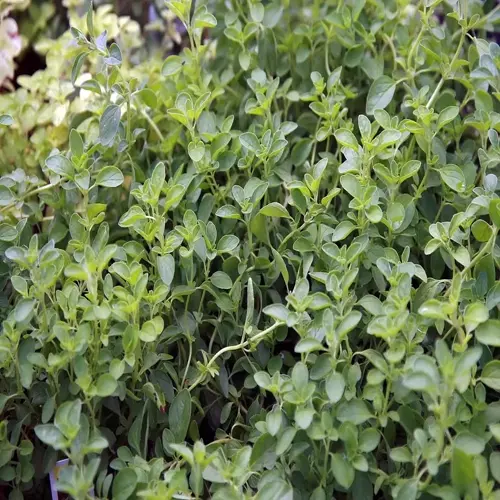

Parsley grows back once, then it dies for good. It is not a true perennial that returns season after season. The parsley biennial life cycle runs across two growing years. You get a full crop of leaves the first year, and the plant comes back the second spring before it flowers and finishes. So yes, your parsley returns, but only one more time.
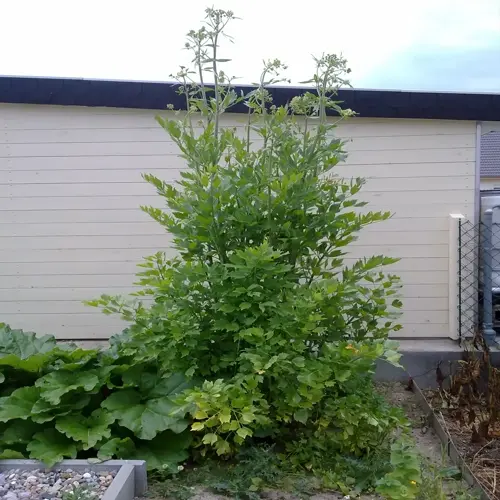
Last April my Giant of Italy plant in the raised bed by the kitchen window shoved up a thick flower stalk almost two feet tall. The leaves around it had gone thin and tough. I noticed the rosette had pulled apart at the center to make room for that stalk. A sprig tasted sharp and bitter instead of fresh and green. I planted that same parsley the spring before, and it had handed me soft leaves for months. Now it only wanted to make seed and quit.
That scene is the biennial pattern doing its job. Your parsley spends the first year building a low rosette of leaves and a deep taproot. It stores up fuel in that root and sits quiet through winter, even under a light blanket of snow. When you reach the parsley second year, the plant wakes up early, lives off that stored energy, and turns its whole focus to making seed. The leafy stage you loved is over by then. A biennial like parsley only gets two seasons, and the second one belongs to the flowers, not your kitchen.
You can encourage strong first-year growth and stretch your harvest if you cut the outer leaves often. Snip from the outside of the rosette and leave the small center leaves alone. That keeps fresh growth coming all season. It will not stop the second-year bloom, since the clock is set by the plant's age and not by how you cut it. But it does give you the fullest harvest while the leaves are still sweet and tender.
You can read the change in the leaves before any flower shows up. The second-year leaves turn noticeably more bitter and the stems get woody and stringy. The plant is pulling its sugars and oils out of the leaves to fund the bloom that is coming. This is why your cooking parsley loses its bright flavor in year two. It is also why so many gardeners pull the old plant and start fresh each spring.
A tall central stalk pushing up from the middle of the rosette means parsley bolting has begun. Once that stalk forms, the leaf quality drops fast and you cannot talk the plant out of flowering.
Once parsley bolting kicks off, the stalk opens into flat clusters of tiny yellow-green flowers. Bees and small wasps work them all day. After the blooms fade, the plant sets hundreds of tiny seeds, dries out, and dies down to nothing. There is no coming back for it after this point. The whole purpose of year two is to make the next generation and finish the cycle.
Knowing this changes how you should plant. If you want the best kitchen leaves, treat parsley as a one-season crop and set out fresh plants each spring. You get tender, sweet leaves all season long and you skip the bitter dip of year two. In my own beds I plant two new seedlings every April. I pulled last year's tired plants the day they threw a flower stalk, and I never miss them. Your harvest stays sweet that way from the first warm week through the last cool one in fall.
If you would rather get free plants, let one parsley flower and go to seed on purpose. Tuck a single plant in a back corner where you will not miss the leaves. Leave it alone all through its second year and let it scatter seed on its own. You will often find volunteer seedlings popping up near the parent bed the next spring. Those self-sown plants are tough, free, and ready to start the two-year run again.
Read the full article: Parsley Plant Guide: Grow, Harvest, Use