
You can make soil more acidic by working elemental sulfur into the topsoil months before you plant. Soil microbes turn that sulfur into acid over time. This is the slow but steady way to lower soil pH for plants like blueberries, azaleas, and rhododendrons. There is no instant fix here. The change happens at the pace your soil bacteria can manage. So the real trick is starting early and measuring as you go.
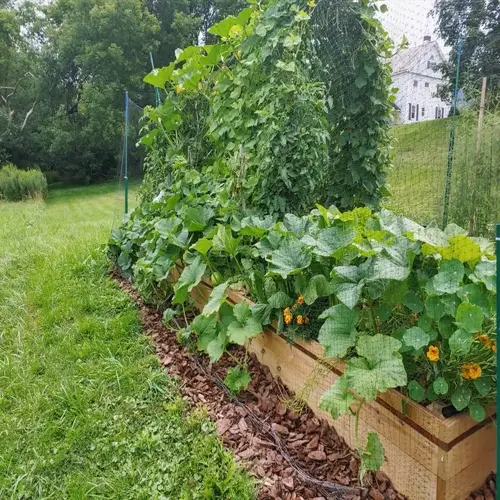
Three springs ago I was out at the raised bed by the back fence. I was forking elemental sulfur into the top six inches of soil, one fork-load at a time. The highbush blueberries still sat in their nursery pots in the garage. I wanted that bed near pH 5.0 long before any roots went in. So I dug, sprinkled, turned, and dug again. I checked that the sulfur mixed all the way through instead of resting on top.
Test your soil before you add a single thing. A cheap pH meter or a mail-in lab test tells you where you stand and how far you need to drop. Most plants sit happy between 6.0 and 7.0, but acid lovers want 4.5 to 5.5. Once you know the gap, you can match the right elemental sulfur amount to your soil type instead of guessing and overshooting.
The amount you need depends on your soil texture. The table below shows how much to use to drop pH one full unit. These rates come from the soil experts at the state extension office. It covers the three common soil types so you can match your own ground.
Clay holds onto its pH hard, so it takes three times the sulfur that sandy soil needs. That is why texture matters more than most people expect. Spread your measured amount evenly, then mix it into the top six inches of soil. Sulfur left sitting on the surface barely moves, since the microbes that convert it live down in the moist root zone where they can stay active.
Timing makes or breaks the whole job. Apply sulfur in spring once the soil warms to at least 55°F (13°C), because the bacteria that drive the change go quiet in cold ground. Even then, expect to wait. Sulfur takes about three to six months to begin shifting your pH and up to a full year to act all the way. That long runway is exactly why you treat the bed well before planting day, not after.
Retest before you reach for more. People stack on a second dose too soon, then watch their pH crash past the target a few months later. Wait out that conversion window, test again, and add only what the new reading calls for. Patience here saves you from a soil that turns too sour to fix in one season.
If you need a faster drop, iron sulfate works quicker than sulfur. But it asks for much more material to reach the same result. It can run about six times the weight. That gets pricey and risks salt buildup on a big bed. For most gardeners the cleaner path is the right elemental sulfur rate for your soil type. Mix it in early and recheck before you top up. Test, measure, mix, and wait. The bed will be ready when your plants are.
Read the full article: Acidic Soil Plants: A Complete Guide