
Introduction
You want acidic soil plants that will actually flourish in your beds, not a wall of names you have to research one by one. The hard part is finding the single number that matters most for each plant: the exact soil pH it prefers. That number is hard to track down anywhere. This one gives it to you for every plant on the list.
Here is the core fact that anchors everything else. Acidic soil is any soil below pH 7.0. Most plants you grow do best from 6.0 to 6.8, which is close to neutral. But true acid-loving plants like blueberries, azaleas, and rhododendrons want a much lower range, around pH 4.0 to 5.5. That gap is why one bed thrives while another struggles.
The typical list of plants for acidic soil gives you names and little else. You rarely see the per-plant pH numbers, the science of why low pH helps these plants, or the real steps to acidify your own ground. This guide covers all three. You get a categorized plant list with pH numbers attached. You also get the reason acid-lovers act the way they do. And you get how much sulfur it takes to shift your soil.
Think of soil pH as a gate. It decides which nutrients a plant can actually pull from the ground, even when those nutrients sit right there in the dirt. The right plant for acidic soil is one built to open that gate at a low pH. I watched a row of azaleas go yellow in fed, watered soil because the pH was too high for them to take up iron. By the end, you will know which plants to grow, the pH each one needs, and how to adjust your soil to match.
Best Plants for Acidic Soil
The best acidic soil plants all share one trait. They grow stronger in low pH ground that would starve most garden favorites. Each plant below comes with its preferred pH range, the one number thin lists skip, so you can match the plant to your soil instead of guessing.
These acid-loving plants thrive at low pH for the same reason. Acidity keeps iron loose in your soil, and that iron flows into the roots so leaves stay deep green. Push your pH too high and the iron locks away. That is when you see leaves turn pale and yellow.
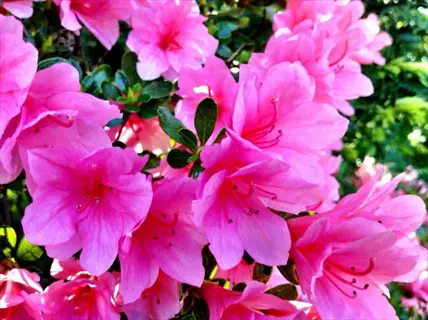
Rhododendrons and Azaleas
- Preferred pH: These classic shrubs do best at about pH 4.5 to 5.5, well inside the acid-loving range described by UNH Extension.
- Why low pH: Acidic soil keeps iron soluble, so leaves stay deep green instead of turning yellow between the veins.
- Bloom appeal: Spring flowers cover the plant in pink, red, white, or purple, making them a centerpiece of acidic gardens.
- Light needs: Most prefer partial shade with morning sun and protection from harsh afternoon heat in warm regions.
- Soil moisture: They want moist, well-drained ground rich in organic matter and dislike sitting in soggy clay.
- Care note: Avoid liming around them, since lime raises pH and undoes the acidity these shrubs depend on.
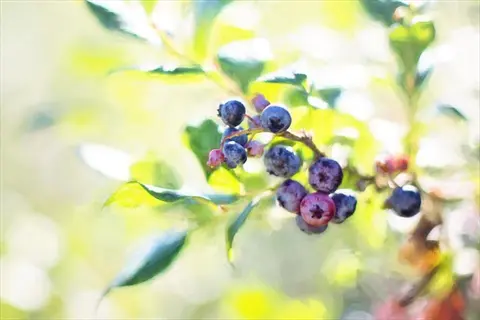
Highbush Blueberries
- Preferred pH: Blueberries are among the most pH-sensitive edibles, thriving at about pH 4.5 to 5.5 per UNH Extension.
- Why low pH: At higher pH their roots cannot take up iron, which quickly shows as pale, yellowing new growth.
- Harvest value: A healthy highbush blueberry rewards a low-pH bed with sweet summer fruit and bright fall foliage.
- Light needs: Full sun produces the heaviest crops, though plants tolerate light afternoon shade in hot climates.
- Soil moisture: They prefer consistently moist, well-drained, organic-rich soil and resent drying out during fruiting.
- Care note: Mulch with an acidic material and test the soil before planting to confirm the pH is low enough.
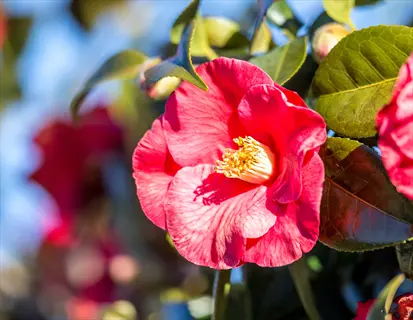
Camellias
- Preferred pH: Camellias are reliable acid-lovers that prefer about pH 4.5 to 5.5 for steady, healthy growth.
- Why low pH: Like other acid-lovers, they need iron staying available in acidic soil to keep foliage glossy and green.
- Bloom appeal: Their waxy fall and winter flowers bring color when most of the garden has gone dormant.
- Light needs: They favor partial shade and shelter from cold, drying winds that can damage buds and leaves.
- Soil moisture: Camellias want moist, well-drained, humus-rich soil and dislike both drought and waterlogging.
- Care note: Feed with a fertilizer made for acid-loving plants rather than general lawn or garden products.
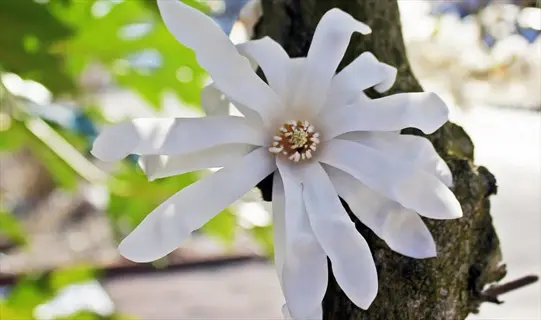
Magnolias
- Preferred pH: Many magnolias, including star and evergreen types, prefer mildly acidic to acidic soil around pH 5.0 to 6.5.
- Why low pH: Acidic conditions keep micronutrients accessible, supporting their large, healthy leaves and showy blooms.
- Bloom appeal: Spring or summer flowers can be huge and fragrant, making magnolias a standout specimen tree or shrub.
- Light needs: Full sun to partial shade suits most magnolias, with shelter from late frosts that can damage early blooms.
- Soil moisture: They prefer moist, well-drained, organic-rich soil and establish best with steady water while young.
- Care note: Avoid disturbing the shallow roots and skip lime unless a soil test specifically calls for it.
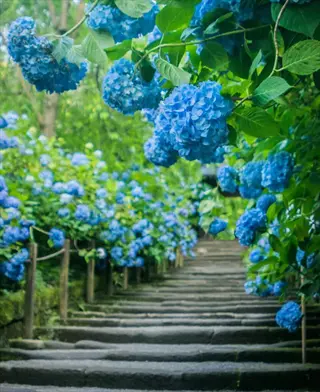
Bigleaf Hydrangeas
- Preferred pH: Bigleaf hydrangeas grow well in acidic soil, often around pH 5.0 to 5.5 for the deepest blue flowers.
- Why low pH: Acidity makes aluminum available, which is what turns bigleaf hydrangea blooms blue instead of pink.
- Bloom appeal: Large flower clusters act as a living pH indicator, shifting from blue in acid soil toward pink in alkaline soil.
- Light needs: Morning sun with afternoon shade keeps blooms vivid and prevents wilting in summer heat.
- Soil moisture: They want consistently moist, well-drained soil and the name hints at their high water demand.
- Care note: To keep blooms blue, maintain low pH and avoid liming the bed where they grow.
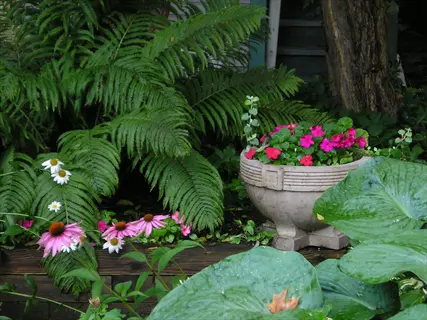
Ferns and Shade Acid-Lovers
- Preferred pH: Many woodland ferns and shade plants prefer mildly acidic soil, roughly pH 5.0 to 6.0, like their forest homes.
- Why low pH: Acidic, humus-rich woodland soil keeps nutrients cycling in the cool, shaded conditions these plants evolved in.
- Foliage appeal: Ferns fill shady acidic corners with lush texture where flowering plants struggle to perform.
- Light needs: Partial to full shade suits most ferns, paired with protection from hot, direct afternoon sun.
- Soil moisture: They want consistently moist, well-drained soil rich in leaf mold and decaying organic matter.
- Care note: Pair them with trillium and pachysandra to build a low-maintenance acidic shade garden.
The raised bed by my back fence now hands over fistfuls of berries every July, more than the kitchen can keep up with. I put the highbush blueberries in three springs ago and watched their progress from the kitchen window each morning. That corner already ran acidic, so the plants never fought the soil and the harvest climbed each year.
Start with the plants that already suit your ground. Azaleas and blueberries both reward a low pH bed. Pick those over plants you have to coax into the wrong soil, and you will do far less work for a better show.
Acid-Loving Shrubs and Trees
Shrubs and trees give your acidic bed its backbone. The best ones treat your low pH as a gift. Your strongest acid-loving shrubs are azaleas and rhododendrons. Camellias belong on your list too. Add holly and heather as well. University of Missouri Extension names all five as plants that want sour ground. Pick the right woody plants and you skip the fight to sweeten soil that wants to stay acidic.
Your trees split into two camps, and the gap matters. Pin oak, dogwood, and magnolia all grow well where your ground runs acidic. So do pines and spruce. SUNY ESF backs this up. It names blueberries and conifers among the plants that shrug off strong acid soil.
Draw one line before you reach for sulfur. Some plants are true acid-lovers. They need low pH to pull iron from your soil. Others, like most oaks, just tolerate it. The four cards below sort your options so you plant for what each one wants.
Flowering Acid-Loving Shrubs
- Top picks: Azaleas, rhododendrons, camellias, gardenias, and heather all prefer acidic soil and reward it with strong blooms.
- Preferred pH: These shrubs do best in the acid-loving range of roughly pH 4.0 to 5.5 noted by University of Missouri Extension.
- Garden role: They work as foundation plantings, hedges, and borders, offering color across spring, fall, and winter.
- Key need: Moist, well-drained, organic-rich soil keeps them healthy and helps roots take up iron in acidic ground.
Holly and Berrying Shrubs
- Top picks: Holly and related berrying shrubs tolerate acidic soil and add evergreen structure plus winter berries.
- Preferred pH: They grow well in mild to moderate acidic soil and are listed among acid-lovers by Tier 1 sources.
- Garden role: Evergreen hollies make dense hedges and screens, while their berries feed birds through cold months.
- Key need: Many hollies need both male and female plants nearby for berries, so plan pairings before planting.
Conifers and Evergreen Trees
- Top picks: Pines, spruce, and most conifers tolerate strong acid soil, which SUNY ESF confirms among acid-tolerant trees.
- Preferred pH: Conifers handle the low end of the pH scale better than most broadleaf trees and seldom need liming.
- Garden role: They provide year-round screening, windbreaks, and structure in acidic landscapes and woodland edges.
- Key need: Give them room to reach mature size and well-drained acidic soil that mimics their native conditions.
Acid-Tolerant Shade Trees
- Top picks: Pin oak, willow oak, dogwood, beech, and magnolia all grow well in acidic soil per University of Missouri Extension.
- Preferred pH: These trees favor mild to strong acidic ground and are common where acid soils occur on their own.
- Garden role: They deliver canopy shade, fall color, and spring flowers, anchoring larger acidic-soil landscapes.
- Key need: Pin oak in particular shows iron chlorosis fast in high pH soil, a clear sign it prefers acidic conditions.
Mix these groups and your planting carries every season. Conifers for acidic soil hold their green all winter. Holly adds berries for the birds, and heather fills the gaps near your front border. Match your amendment to the plant, not the bed. That way you never over-acidify ground for a tree that was fine all along.
True acid-lovers like rhododendrons and blueberries need low pH to take up iron, while acid-tolerant plants such as many oaks simply accept it. Match the amendment to the plant so you do not over-acidify a bed for a tree that never needed it.
Edibles for Acid Soil
Berries are the real stars when you want crops for acidic soil. Blueberries sit at the top of that list, and they need a low pH to crop well and stay healthy. Most other food plants only put up with mild acidity, so the smart move is to know which crops crave acid and which just cope with it.
Blueberries prefer a pH of 4.5 to 5.5. That makes them one of the few true acid-loving vegetables and fruits you can grow. The low pH frees up the iron they need. Without it the leaves turn yellow and the plant struggles. Cranberries go even lower into bog ground. Strawberries and potatoes lean a bit acidic but stay flexible.
The truth few homestead lists admit is simple. Very few crops actually demand strong acid. Outside of blueberries and cranberries, most edibles still do best near neutral ground around pH 6.0 to 6.8. The table below lays out clean, consistent ranges so you can match each crop to your soil without guessing.
Use a quick rule when you plan your beds. Berries are your standout acid-lovers. Give them their own low-pH patch and feed it to suit. Most vegetables only put up with mild acidity. They still want soil near neutral. So don't drag your whole garden down to please a few blueberry bushes.
Why Acid-Lovers Need Low pH
Plants don't eat dirt. They drink it. A root can only take up a nutrient once it dissolves into the thin film of water around it. And soil pH is the single biggest control on what actually dissolves. That is why acid-lovers act the way they do. Their whole feeding system is built for a low number, so you have to give them one.
Think of pH as a gate over each nutrient. When the gate sits open, the nutrient dissolves into the water your plant can drink. When it shuts, the nutrient stays locked in the soil where roots can't reach it. 14 of the 17 essential nutrients come from the soil and must dissolve before a plant can use a single bit of them.
The gate for each nutrient opens at a different point on the scale. Phosphorus flows most near pH 6.5, which is why most of your garden plants do best in a band close to neutral. But push your soil up past pH 7.5 and a whole set of micronutrients slams shut at once. Iron, copper, manganese, zinc, and boron all become inaccessible, even when plenty of each still sits in your ground.
Iron is the part that matters most for acid-lovers. Low pH soil keeps iron soluble, so the roots of an azalea or blueberry can pull it in and stay green. Raise the pH and that iron solubility drops fast. The metal binds up, the plant starves for it, and the new leaves turn yellow while the veins stay green. The iron is right there in the dirt. The plant just can't drink it.
So your acid-lovers aren't fussy for no reason. They evolved where the soil runs sour, and their feeding works only while that iron gate stays open. Put them in sweet, high-pH ground and you don't change what they need. You just lock their pantry. Match the nutrient availability to your plant and the rest of its care gets a lot simpler.
A pH range of approximately 6 to 7 promotes the most ready availability of plant nutrients.
How to Make Soil More Acidic
Your soil test came back too sweet for the plants you want, and now you need to fix it. The good news on how to acidify soil is that the method is simple. The catch is that it takes patience and the right amount of one cheap material.
Elemental sulfur is the tool you want here. Soil bacteria turn it into acid, and that acid is what drives your pH down. Apply it in spring once soil hits 55 degrees Fahrenheit (13 degrees Celsius), because those bacteria only get to work in warm ground. It acts gently, so you won't shock your plants or overshoot the mark.
The amount depends on your soil. To drop pH by one unit, use about 0.8 lb per 100 sq ft (0.36 kg per 9.3 sq m) in sandy soil. Loam needs 1.2 lb (0.54 kg). Give it time too. Sulfur starts working in three to six months and takes up to a year to fully lower soil pH. Here is the step-by-step method.
Measure your current pH with a kit or lab test before adding anything, so you know how far the pH must drop and avoid over-acidifying.
To lower pH by one unit, use about 0.8 lb per 100 sq ft (0.36 kg per 9.3 sq m) of elemental sulfur in sandy soil, 1.2 lb (0.54 kg) in loam, or 2.4 lb (1.1 kg) in clay.
Spread sulfur in spring when soil temperature reaches at least 55 degrees Fahrenheit (13 degrees Celsius), because the soil bacteria that convert sulfur to acid need that warmth to work.
Mix the sulfur into the top several inches of soil and water it in, ideally well before planting acid-loving species so the change has time to take hold.
Allow about three to six months for the pH to start dropping and up to a year to fully act, then retest before adding any more amendment.
Elemental sulfur is the safest acidifier but the slowest. Iron sulfate and aluminum sulfate act faster, yet they need roughly four to eight times more material and can become phytotoxic, so most home gardeners are best served by sulfur applied with patience.
Get the sulfur application rate right for your soil texture and the rest takes care of itself. Sandy soil shifts fast, while clay fights back and needs nearly three times the sulfur for the same drop in pH. Test, measure, and wait before you reach for more.
If you truly need a faster result, iron sulfate can move the needle in weeks. Just know it costs more material and more risk, so reach for it only when sulfur and time are not enough.
Spotting and Fixing Yellow Leaves
Yellow leaves are the number one problem people run into with acid-loving plants. The leaves fade to a sickly pale color and your azalea or blueberry starts to look starved. Most gardeners grab a bag of all-purpose fertilizer and assume the plant is hungry for nitrogen.
That guess is usually wrong. It is the most common problem in these plants, and the cause is almost always iron chlorosis. The soil pH has crept too high, and the high pH locks iron away where the roots can't reach it. So good acid-loving plant care starts with reading the leaves before you feed anything.
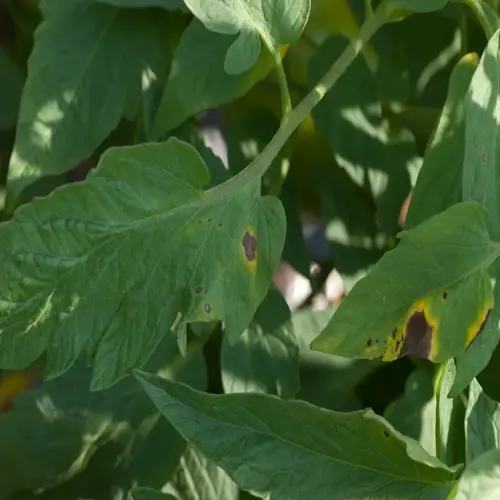
The pattern on the leaf tells you which problem you have. Iron deficiency shows up first on the new, young leaves at the branch tips. Those leaves turn yellow between the veins, but the veins stay green. A nitrogen deficiency is the reverse. It hits the older, lower leaves first, and the whole leaf goes pale at once.
- Shows first on new, young leaves at the branch tips.
- Leaves yellow between the veins while the veins stay green.
- Usually caused by high soil pH locking iron away.
- Fixed by lowering pH and applying iron sulfate or chelate.
- Shows first on older, lower leaves of the plant.
- Whole leaves turn pale or uniformly yellow.
- Caused by a true shortage of available nitrogen.
- Fixed by feeding nitrogen, not by adjusting iron or pH.
Two seasons after I planted my front-path azalea, its newest leaves turned a pale buttery yellow. But the veins on each leaf stayed a sharp dark green. I had been feeding it a balanced fertilizer all spring and nothing changed. A cheap soil test showed the pH had drifted up near 6.8, well above the 4.5 to 5.5 an azalea wants. I worked in elemental sulfur to bring the pH down and watered in an iron chelate. The next flush of leaves came in a deep, even green.
The fix follows the diagnosis. To correct iron chlorosis, lower the pH over time. Then apply iron sulfate or iron chelate to get fast color back into the leaves. The iron chelate works in a few weeks, while the lower pH keeps the problem from returning. Test your soil first so you treat the real cause and not a guess.
Reaching for lime or general lawn fertilizer when an azalea or blueberry yellows often makes things worse. Lime raises pH and locks iron away even further, so never lime acid-loving plants unless a soil test specifically calls for it.
5 Common Myths
Coffee grounds are a reliable way to acidify your garden soil and lower the pH for blueberries and azaleas.
Used coffee grounds are close to neutral and do not dependably lower soil pH. They add organic matter in compost but will not acidify a bed.
Yellow leaves on an azalea or blueberry always mean the plant is short on nitrogen and needs more lawn fertilizer.
Yellowing of new leaves with green veins usually signals iron deficiency from high pH, not nitrogen shortage. Lowering pH fixes the real cause.
Pine needles and oak leaves make the soil strongly acidic as they break down around your plants over time.
Fresh pine needles are only mildly acidic and have little lasting effect on soil pH once composted. They work as mulch, not as an acidifier.
All garden plants grow better in acidic soil, so lowering pH everywhere will improve your whole garden at once.
Most cultivated plants prefer pH 6.0 to 6.8. Only true acid-lovers want pH 4.0 to 5.5, and over-acidifying harms the majority of plants.
You can acidify soil overnight by pouring on vinegar or sulfur and then planting acid-loving shrubs the next day.
Elemental sulfur takes about three to six months to begin working and up to a year to fully act. Vinegar only changes pH briefly.
Conclusion
You now have three tools in one place. You have a sorted list of acidic soil plants with real pH numbers. You know the science behind why low pH feeds these plants. And you have exact steps to lower your soil pH when you need to. That mix turns guesswork into a real plan for your yard.
Keep the core numbers close. Most plants you grow do best at a soil pH of 6.0 to 6.8, so they are fairly easy to please. The true acid-lovers, like blueberries and rhododendrons, want a much lower pH near 4.0 to 5.5. Those two ranges cover almost every choice you will face when you plan a bed.
The smartest move is also the simplest one. Test your soil first, then match the plant to the pH you already have. I planted my first blueberries before I tested a thing, and they sulked for two years in soil that was too sweet. Only reach for sulfur when a real acid-lover needs ground more sour than your soil gives it. Most of the time the right plant in the right spot beats any product you could buy.
So look at your own light, your space, and the dirt under your feet before you shop. The best plants for acidic soil are the ones that suit what you have, not the ones that force you to fight your conditions all season. Pick acid-loving plants that fit your yard, and you spend your time enjoying them instead of fixing them.
Glossary
- Acid-loving plants
- Plants such as blueberries, azaleas, and rhododendrons that grow best in strongly acidic soil, roughly pH 4.0 to 5.5.
- Acid-tolerant plants
- Plants that accept acidic soil but do not require it, unlike true acid-lovers that depend on low pH.
- Buffering capacity
- A soil's resistance to pH change; clay and organic soils buffer strongly, so they need more amendment to shift pH than sandy soils.
- Elemental sulfur
- A granular soil amendment that soil bacteria slowly convert into acid, gradually lowering soil pH over several months.
- Garden lime
- Calcium carbonate added to soil to neutralize excess acidity and raise the pH toward neutral.
- Iron chlorosis
- Yellowing of a plant's newer leaves while the veins stay green, caused by iron being locked away in soil that is too alkaline.
- Nutrient availability
- How readily plant nutrients can dissolve in soil water so roots can absorb them, which changes sharply with soil pH.
- Soil pH
- A measure of how acidic or alkaline soil is, on a scale where below 7.0 is acidic, 7.0 is neutral, and above 7.0 is alkaline.
External Sources
Frequently Asked Questions
What plants do not like acidic soil?
Many common garden plants prefer neutral to slightly alkaline soil, including:
- Asparagus, beets, and most brassicas like cabbage and broccoli
- Lavender, clematis, and many Mediterranean herbs
- Lilacs, baby's breath, and most lawn grasses
What are the signs of acidic soil?
Common signs include healthy moss and acid-loving weeds, thriving azaleas or blueberries, blue hydrangea flowers, and a pH test reading below 7.0.
How do I make my soil more acidic for plants?
The safest method is to mix in elemental sulfur at a rate based on your soil texture, applied in spring and tested first.
Do coffee grounds make soil acidic?
Used coffee grounds are close to neutral and do not reliably acidify soil, though they add organic matter as a compost ingredient.
What houseplants prefer acidic soil?
Several popular houseplants prefer slightly acidic conditions:
- Gardenias, azaleas, and African violets
- Ferns, philodendrons, and pothos
- Orchids and certain tropical foliage plants
How do I tell if my soil is alkaline or acidic?
Use a soil test kit, a pH meter, or a laboratory test from your local extension office for the most accurate reading.
How do I fix soil that is too acidic?
Apply garden lime at a rate guided by a soil test to raise pH gradually, then retest before adding more.
What is the best fertilizer for acidic soil plants?
Acid-loving plants do best with fertilizers formulated for them, often using ammonium-based nitrogen that helps maintain low pH.
Can grass grow in acidic soil?
Some grasses tolerate mild acidity, but most lawn grasses grow best near pH 6.0 to 7.0, so strongly acidic lawns often need lime.
Do eggshells make soil acidic?
No, eggshells are mostly calcium carbonate, the same compound in lime, so over time they slightly raise pH rather than lower it.