
Give a cup and saucer vine full sun, soil that stays evenly moist but drains well, a light feed, and a sturdy trellis to climb. That short list is the whole of good cup and saucer vine care, and it works better than any fussing. Get those four things right and the plant rewards you fast in a single warm season.
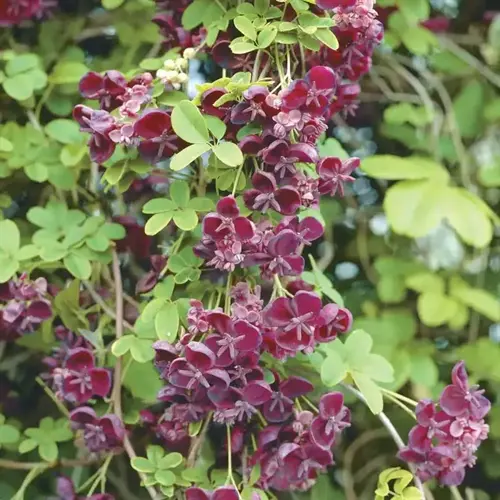
My back fence proved it last summer. I run the purple species form up a south-facing trellis. I watch it from the kitchen window, and by August it was a curtain of green cups fading into deep purple saucers. My first try the year before had been all leaf and almost no flower. The only thing I changed was watering on a steady rhythm and easing way off the plant food. You will see the same swing if you do the same.
Here is the care logic behind that turnaround. This vine wants full sun well-drained soil kept evenly moist, and that combination drives the strong, healthy growth your flowers come from. Too much nitrogen pushes the plant the wrong way. It builds lush leaves at the expense of buds, which is exactly the leafy trap I fell into the first year. So you want to feed your vine for flowers, not for foliage.
Watering is where most people slip. The roots want steady moisture but hate sitting in a swamp, so let your soil drain between drinks. In summer heat, water deeply two or three times a week rather than a daily splash. A deep soak pulls the roots down and keeps your plant calm through hot afternoons. Shallow watering leaves it stressed and thirsty by noon, so always soak it well.
Feed with a light hand. A low-nitrogen fertilizer with a higher middle number for flowers beats a rich, leafy lawn feed here. Both NC State and the RHS point the same way on this. Give your vine a gentle dose every few weeks through the growing season. Then ease off once buds form. That way the plant pours its energy into blooms instead of more vine, and you get the flower wall you wanted.
Light is your other big lever. Full sun of six hours or more brings the heaviest flowering, and my back-fence spot earns its keep for that reason. Your vine still grows in part shade, but you trade flowers for foliage and the show thins out. Plant it in the brightest, warmest spot you have. Let a wall or fence hold the day's heat, and your vine will thank you for it with more cups and saucers.
This is a big, hungry climber, so your support has to be real. The vine reaches 10 to 20 feet (3 to 6 m) in one season and grabs on with curling tendrils. Set up a strong trellis, arch, or wire before you plant, not after. Pinch the growing tip while your plant is young. It branches out and gives you a fuller wall of green rather than one long bare stem, so you start the season ahead.
One last thing keeps the whole effort safe. The plant is tender and frost kills it fast, so in my zone 7 garden it runs as an annual unless I shelter it. Get it in the ground only after the last frost, and cover or bring in containers when a cold night threatens in fall. Treat it gently with sun, even water, and a light feed, and a bare fence turns into a flower wall before the season is out.
Read the full article: Cup and Saucer Vine: Complete Care Guide