
My female Nymans carried a heavy crop of red berries the winter after I planted a male Rubella a few feet away. The two shared the damp back corner by my woodland edge. For three years before that the Nymans had given me nothing but a few flowers and bare green branches. I had fed it and watered it and waited, and still no fruit. The loaded branches that first winter made the missing piece plain to see.
To get skimmia flowers and berries, you need four things working together. Give the shrub shade. Keep the soil damp, and prune it only with a light hand. Then plant your female near a compatible male so the flowers get pollinated. Miss any one of these and you end up with a healthy looking plant that refuses to crop.
The first step to get skimmia to flower is the right spot. Skimmia is a woodland plant at heart, so it wants dappled or full shade and soil that stays damp without sitting wet. Hot afternoon sun scorches the leaves and stresses the plant. A stressed shrub puts its energy into survival instead of buds. Give your plant slightly acidic soil and the foliage stays a deep green rather than a sickly yellow.
Heavy pruning is one of the most common reasons your skimmia stays bare. The plant sets its flower buds in late summer for the following spring, and those same buds become the berries. Cut the shrub back hard and you cut off next year's flowers and fruit in one go. Skimmia barely needs pruning at all. Trim only to shape your plant or remove a dead stem. Do it right after flowering so the new buds have all season to form.
Now the part that catches most people out. Skimmia japonica is a separate-sex plant, which means each shrub you buy is either male or female. Only the females carry berries, and they cannot do it alone. Skimmia pollination needs a male within range so insects can carry pollen from his flowers to hers. Plant a lone female and you get pretty spring blooms and not a single berry, no matter how well you treat her. So check the label before you buy, because nurseries do not always mark the sex of each plant clearly.
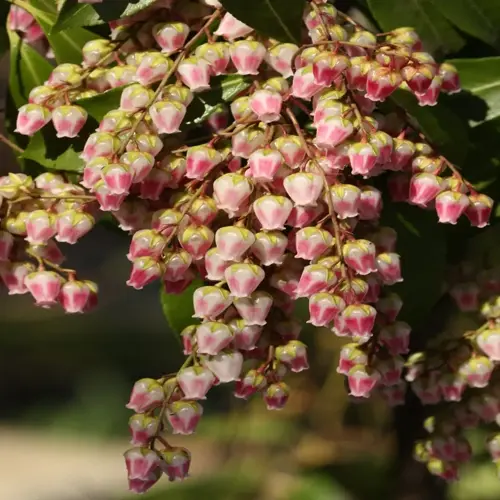
One male can pollinate several females, so you do not need a matched pair. Growers find that about one male per six females keeps the whole group cropping well. Site your male within roughly ten feet so bees move between the plants with ease. The popular male Rubella earns its keep here. It gives you scented spring flowers and red-tinged winter buds, even though it never fruits itself.
If you would rather skip the matchmaking, plant the self-fertile subspecies reevesiana. It carries both male and female parts on the same shrub, so it sets its own berries without a separate partner. That makes it your easy choice for a small garden or a single pot where you only have room for one plant. You still want to give it the same shade and damp soil that the rest of the family loves.
So if you are wondering why no berries on skimmia appear on yours, run through the short list. Check that your plant is a female, confirm a male lives nearby, ease off the pruning, and keep the roots cool and damp. Then give it time. Skimmia is a slow shrub that takes two or three seasons to settle in and crop heavily, so steady care beats any quick fix.
Read the full article: Skimmia Japonica: Complete Care Guide