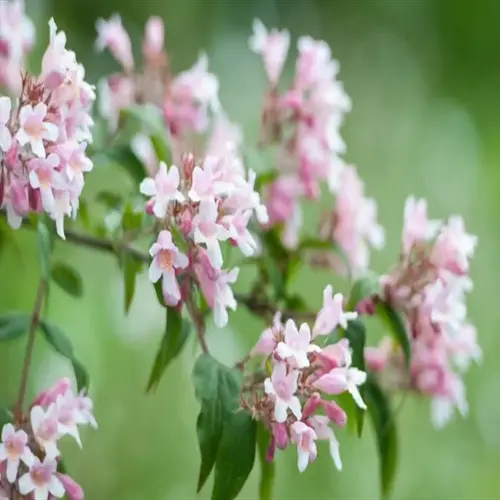

I set a knee-high Ruby Spice into the damp back corner of my Connecticut yard one cold spring. It sat there looking small for a while, then put on a few inches each season without ever rushing. By the fourth summer it had filled out close to its mature 6 ft (1.8 m) height, dense with deep-pink bloom and humming with bees. That slow, steady climb is the clethra growth rate in a nutshell. Your shrub takes several years to reach full size, and it is worth the wait.
That pace is normal, and it tells you most of what you need to know about how fast summersweet grows. This plant builds slow and steady rather than shooting up in one big push. You won't get a finished hedge in a single year. What you get instead is a shrub that gains body, branch count, and flower power every season. Most plants add 6 to 12 in (15 to 30 cm) of new growth a year once they settle in, so the early going feels patient and the later years feel generous.
Plan for a mature plant that is 5 to 8 ft (1.5 to 2.4 m) tall and 4 to 6 ft (1.2 to 1.8 m) wide for the straight species, per NC State Extension and Clemson HGIC. Dwarf cultivars stay much smaller. Hummingbird, for example, tops out around 30 to 40 in (76 to 102 cm), which makes it a good fit for tight beds and small yards. Knowing the end size up front saves you from crowding a path or a window with a plant that keeps creeping wider each year.
Conditions change how quickly your shrub closes that gap. Steady moisture and acidic soil push faster, fuller growth, while dry or alkaline ground slows things to a crawl. Summersweet is a wetland native at heart, so it leans on damp roots to fuel a strong season. The plant also spreads in two directions at once. It gains height up top, and it widens at the base through root suckers that send up fresh stems beside the original. Over time that habit turns one shrub into a soft, rounded colony that fills a corner on its own.
Pick a variety sized to the spot. Use a dwarf like Hummingbird for small beds and the full species for big borders.
Keep the root zone damp through the first two summers so the plant settles in and roots out well.
Mulch with leaf mold or pine fines to hold moisture and keep the ground on the acidic side.
Give the base room for suckers, or pull the outer shoots each spring to hold a tighter shape.
Don't fight the natural pace by buying a big species plant for a small space and then hacking it back every year. Match the summersweet mature size to your spot from the start instead. A dwarf for a narrow bed, the full 5 to 8 ft species for an open border, and you skip the yearly battle with the pruners.
Water matters most in the first two seasons. Keep the root zone damp while the shrub establishes, and it will reward you with quicker, sturdier growth once those roots take hold. After that, summersweet asks for very little. Give it a few patient years and you end up with a fragrant, bee-covered shrub that earns its corner of the garden.
Read the full article: Clethra Alnifolia: Grow Fragrant Summersweet