
Introduction
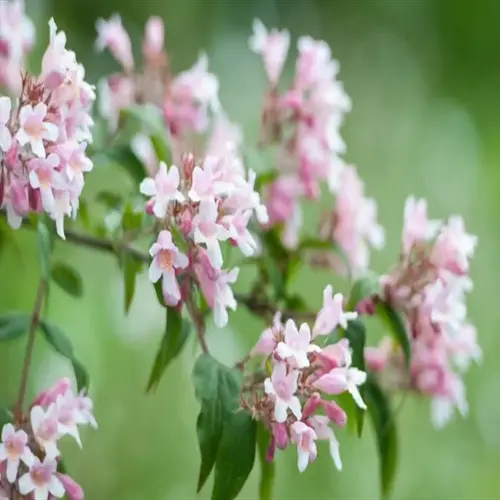
Most shrubs quit flowering by midsummer. But clethra alnifolia sends up sweet white spikes in July and August when little else blooms. Even better, it does this in shade. That trait makes summersweet rare in the garden. It is why so many people hunt for it once they catch the scent on a warm night.
This plant is a native shrub that grows about 5 to 8 feet tall and 4 to 6 feet wide. It is hardy in USDA zones 3 to 9, so it shrugs off cold winters and hot southern summers. This native flowering shrub grows wild across much of the eastern United States. You find it from Maine south to Florida and west to Texas. It lives in swamps and damp thickets there. That wild home tells you what it wants in your yard. It needs moist, acidic soil and a spot that stays a little damp.
Think about the shady, soggy corner that most plants refuse to fill. The ground stays green but flowerless all year. Nothing you try seems to brighten it. This shade shrub is built for that exact spot. It pays you back with a scent you can smell across the garden. Few plants turn a problem corner into the best part of the yard.
Short guides love to call this plant a pollinator magnet and stop there. That sells it short. Below you will learn the wetland roots of sweet pepperbush and why it blooms in shade. You will see which cultivars fit small yards. And you will learn how to plant, prune, and fix the few problems it ever has. Let's start with what this shrub needs to grow well.
Growing Clethra Alnifolia
Summersweet is one of the few shrubs that pays you back for a tough spot in the yard. It grows 5 to 8 feet (1.5 to 2.4 m) tall and 4 to 6 feet (1.2 to 1.8 m) wide. So it fills a corner without taking over the whole bed. The plant is tough in cold weather too, and it survives down to about -22°F (-30°C) while dormant.
The big question most people ask is whether they want summersweet sun or shade. The honest answer is both. It flowers in full sun all the way to full shade, but you get the most scent and the best shape in light dappled shade or morning sun with afternoon shade. That makes it a rare pick for a partial shade bed where most flowering shrubs sulk and refuse to bloom.
Soil is the other thing to get right. Summersweet wants moist soil that stays damp, and it prefers acidic soil below pH 6.0 with plenty of organic matter mixed in. Think of a wet, shady corner the way most shrubs treat a sunny bed. The spot that drowns other plants is exactly where this one turns into the fragrant high point of mid-summer.
It fits a wide stretch of the country, with hardiness across USDA hardiness zones 3 to 9. Once it settles in, the roots shrug off short drought, brief flooding, packed soil, and even salt spray near the coast. So you can plant it by a downspout, a pond edge, or a rain garden and trust it to hold.
Coastal sweet-pepperbush is unique among flowering shrubs because it blooms in shady locations in late summer when few other shrubs are in bloom.
Best Summersweet Cultivars
By late August a damp back corner of my coastal Connecticut yard smells like spice from the porch 20 feet away. I planted a Ruby Spice in deep pink to anchor the back of that group, then set a low Hummingbird in front so nothing blocks the view. I chose the pink one for color and the compact one to keep the front edge short.
That pairing works because the two plants grow to such different heights. Ruby Spice climbs to about 6 ft, while Hummingbird stays a dwarf at 30 to 40 in. Match the cultivar to your spot and the whole bed reads on purpose, not by accident. Pick wrong and you fight the size all season.
The summersweet varieties below split into two camps. Dwarf forms like Hummingbird clethra and Sugartina Crystalina top out near 28 to 40 in. That low size lets you slot them into small beds, the front of your border, and large pots. The full-size species and pink summersweet picks like Ruby Spice run 5 to 6 ft. You give them bigger borders and screens, where they earn their keep.

Ruby Spice Summersweet
- Flower color: Deep, rich pink spikes that hold their color better than older pink forms, bringing rare warm tone to a shady summer border.
- Mature size: Reaches about 6 ft (1.8 m) tall and 4 to 5 ft (1.2 to 1.5 m) wide, similar in scale to the white species.
- Best use: A standout in mixed borders and along damp woodland edges where the pink reads against green foliage.
- Fragrance: Carries the same sweet, spicy summersweet scent as the white forms, drawing bees and butterflies.
- Recognition: Holds the Royal Horticultural Society Award of Garden Merit for reliable garden performance.
- Care note: Blooms on new growth like all summersweet, so prune lightly in late winter without losing flowers.

Hummingbird Dwarf Summersweet
- Flower color: Dense white flower spikes packed along a low, mounded plant for a tidy, full look.
- Mature size: A compact dwarf at roughly 30 to 40 in (76 to 102 cm) tall, far smaller than the 5 to 8 ft species.
- Best use: Ideal for small beds, the front of a border, foundation plantings, and large containers.
- Fragrance: Heavy scent despite its small size, making it a favorite near your paths and seating areas.
- Recognition: Holds the Royal Horticultural Society Award of Garden Merit and is one of the most popular cultivars.
- Care note: Spreads by suckers over time to form a low colony, which you keep in bounds by digging stray shoots.

Sugartina Crystalina Summersweet
- Flower color: Pure white, upright flower spikes that stand cleanly above glossy green leaves.
- Mature size: A neat dwarf around 28 to 30 in (71 to 76 cm) tall, well suited to tight spaces.
- Best use: Works as a container thriller and in small rain gardens or low shaded borders.
- Fragrance: Sweet scent in mid-summer that draws pollinators to even a small planting on your patio.
- Fall color: Foliage turns golden yellow in autumn, adding a second season of interest.
- Care note: Like all summersweet, it prefers moist, acidic soil and blooms on the current season's growth.

Sixteen Candles Summersweet
- Flower color: Upright white spikes held above the foliage like rows of small candles.
- Mature size: A compact form, more restrained than the species while still fuller than the smallest dwarfs.
- Best use: Good for massing in shaded beds where an even, upright habit is wanted.
- Fragrance: Sweet scent in July and August that supports the bees and butterflies in your mid-summer garden.
- Foliage: Clean green leaves through summer that shift to golden tones before dropping in fall.
- Care note: Tolerates wet soil and shade, and is pruned in late winter since it flowers on new wood.

Pink Spires Summersweet
- Flower color: Soft shell-pink flower spikes that open a paler shade than the deep pink Ruby Spice.
- Mature size: Ranges from about 3 to 6 ft (0.9 to 1.8 m) tall, fitting medium borders.
- Best use: A gentle color choice for cottage-style and naturalized plantings in moist shade.
- Fragrance: Sweetly fragrant, adding scent and pollinator value during the quiet late-summer season.
- Foliage: Turns golden yellow to golden brown in fall for a warm autumn display.
- Care note: Prefers the same moist, acidic soil as other summersweet and blooms on new growth.

Vanilla Spice Summersweet
- Flower color: Large white flower spikes that run bigger than those of the wild species.
- Mature size: Grows in the full-size range, returning to the larger scale of wild summersweet.
- Best use: Suited to bigger borders, screens, and damp woodland edges where size is welcome.
- Fragrance: Deep, full fragrance with the classic sweet, spicy summersweet scent you want near a window.
- Foliage: Healthy green leaves that color golden yellow in autumn before leaf drop.
- Care note: Grows best in moist, acidic soil in sun to shade and blooms on the current season's growth.
Two of these earn your extra trust. Ruby Spice and Hummingbird both won a top garden award from the Royal Horticultural Society. That means they perform for you year after year, which is why I lean on them first. Want the scent to stretch into early fall? Add September Beauty to your group. It blooms about two weeks later than the rest, so you keep the show going.
Planting and Soil Needs
The lower leaves on my new Ruby Spice turned a sickly yellow in its first summer. It sat in a damp back corner in Connecticut. The soil stayed wet, which the plant should love, but the ground was packed heavy clay. The roots could not push through it. So I dug the shrub back up, widened the hole by a foot on each side, and mixed in composted pine bark to loosen the backfill. By the next season the new leaves came in deep green and the plant never looked back.
That fix tells you most of what you need to know about how to plant summersweet. The shrub wants loose, acidic soil far more than it wants feeding, and crowding its roots into dense ground is the quickest way to a pale, weak plant. Get the soil right at planting and the rest of the care turns out to be simple.
Summersweet does its best in spots that stay naturally moist to wet, which matches its wild home in acid swamps and damp thickets. Pond edges, stream banks, rain gardens, and damp shade all suit it, so it earns its spot as a reliable rain garden shrub. Aim for acidic soil below pH 6.0, since the right soil pH keeps the leaves green and the growth strong.
Choose a spot in light shade to full sun where soil stays naturally moist, such as a rain garden, pond edge, or damp border with acidic soil below pH 6.0.
Dig a hole two to three times as wide as the root ball but no deeper, so the roots can spread sideways into loosened soil.
For dense clay, mix composted pine bark into the backfill at no more than 20% by volume to improve drainage while keeping the soil acidic.
Place the root ball so its top sits level with the surrounding ground, then backfill and firm the soil gently to remove air pockets.
Set multiple plants 4 to 6 ft (1.2 to 1.8 m) apart to allow for their mature width and slow suckering.
Apply a few inches of mulch over the root zone and water deeply, then keep the soil moist through the first growing season.
Do not add garden lime around summersweet. It needs acidic soil below pH 6.0, and raising the pH can leave leaves pale and growth weak.
Spacing matters because summersweet spreads slow and wide over the years. Set your plants 4 to 6 ft (1.2 to 1.8 m) apart to give each one room. That way it can reach its full width without crowding. If your soil is heavy clay, mix in composted pine bark at no more than 20% by volume. This keeps drainage open and does not lift the pH. A few inches of mulching over the root zone holds in the steady moisture the roots want.
Water deeply through the first growing season to settle the roots, since a young plant cannot fend for itself yet. Once it is established the shrub gets tough, and it shrugs off short droughts and even spells of flooding. That mix of toughness and easy care is what makes summersweet such a forgiving native for wet, shaded ground.
Pruning and Yearly Care
Last February I walked out to the back corner of my Connecticut yard and cut the same Ruby Spice down to bare, dormant stems. The shrub looked like a pile of brown sticks for weeks. That July it bloomed heavier than it ever had, with pink spikes packed along every new shoot.
Clethra blooms on new growth, not on last year's wood. That one fact shapes the whole job. You can cut back clethra hard in late winter or early spring while it sleeps, and you lose none of the coming summer flowers. The buds form on shoots the plant has not grown yet.
This is why pruning summersweet is so forgiving. Prune too early on a spring bloomer and you snip off the flowers. Here the timing runs the other way. The dormant cut clears dead or crossing stems and pushes fresh growth that carries the July to August show.
Yearly care stays low maintenance on the right wet, acidic site. You give it steady moisture, one shaping cut in late winter, and a quick check for suckers in spring. That is the whole routine. The calendar below lays out what to do and when.
Late winter to early spring
Prune to shape and remove dead or crossing stems while the plant is dormant, since flowers form on the new growth that follows.
Spring
Dig out unwanted root suckers to control spread, refresh mulch, and water as new leaves emerge.
Summer
Water deeply during the July to August bloom so the fragrant spikes do not wilt in dry spells.
Fall
Enjoy golden yellow foliage, then rake and dispose of fallen leaves to reduce late-season leaf spot.
Winter
Leave the brown seed capsules standing for texture and to feed birds, then plan the next late-winter prune.
Controlling spread is the other yearly task, and it is an easy one. Summersweet sends up new shoots from its roots and slowly forms a thicket. In spring, dig out any suckers you do not want before they root in. The thicket grows slow, so a few minutes once a year keeps the patch in bounds.
Do this small work and the payoff lands every summer. The dormant cut and the spring sucker check are all the plant asks for in return.
This native species, also called sweet pepperbush, flowers profusely for 4 to 6 weeks during July and August when few other plants are in bloom, and the flowers fill the garden with their spicy fragrance.
Pollinator and Native Value
Most flowering shrubs in your yard bloom in spring and go quiet by July. That timing leaves a real gap. By mid-summer the early bloomers have faded. Bees, butterflies, and other insects still need food for the rest of the season. Your summersweet fills that gap with fragrant white spikes in July and August, when little else in your shade garden is open.
This shrub is insect-pollinated, so every flower does a job for the wildlife in your yard. It is a true native shrub of the eastern wetlands. It grew up next to the bees and birds that visit it. That shared past is why your plant works so well as a pollinator plant. A non-native like butterfly bush sits apart from the food web it claims to feed.
The shade bloom makes the timing matter even more. Few shrubs flower in deep shade. Fewer still do it in late summer. Summersweet does both, so it feeds insects in woodland corners and north-facing beds that other plants leave bare. It attracts bees and butterflies to spots where you rarely see them. The list below shows how it supports the wildlife around you.
Mid-summer nectar in shade
- Scarce timing: Summersweet flowers in July and August, a period when few other shrubs bloom, so it fills a gap in the nectar calendar.
- Shade value: Because it flowers even in full shade, it feeds pollinators in woodland and north-facing spots that most flowering shrubs cannot serve.
- Strong draw: The fragrant spikes attract bees, butterflies, and bumblebees throughout the bloom period.
Bees including specialized bees
- Insect pollinated: The flowers rely on insects for pollination, making the shrub a working part of a pollinator garden (USDA Forest Service FEIS).
- Specialized bees: Beyond common honeybees and bumblebees, the blooms draw specialized native bees noted by extension sources (NC State Extension).
- Long bloom: Flowering for four to six weeks gives bees a steady food source rather than a brief flush.
Food for birds and mammals
- Seed capsules: After flowering, the three-part seed capsules ripen in fall and feed birds and small mammals (NC State Extension; USDA Forest Service FEIS).
- Winter interest: The persistent brown capsules add texture to the winter garden while still offering food.
- Habitat layer: As an understory shrub, it provides cover and structure in naturalized and woodland plantings.
Erosion control and native fit
- Bank stabilizer: Root suckering forms a thicket that gives moderate erosion control along streams and ponds (USDA PLANTS).
- Native range: Native from southern Maine to Florida and west to Texas, it belongs in eastern North American gardens and rain gardens.
- Noninvasive: It is classified as native and noninvasive, making it a sound choice over non-native pollinator shrubs (USDA Forest Service FEIS).
Hummingbirds work the spikes too, so the shrub is hummingbird friendly on top of its draw for bees. Once the flowers fade, the seed capsules feed birds and small mammals. That food lasts into fall and winter. So your shrub earns its keep across the whole year, not just for a few weeks in summer.
Plant it near a stream bank or pond edge and the roots earn their keep again. They knit the soil together and give you moderate erosion control on slopes that wash out. One honest note though. Research confirms its nectar and seed value. But it does not clearly list summersweet as a host plant for specific caterpillars, so I would not claim that part.
Problems and Troubleshooting
Summersweet is one of the toughest native shrubs you can plant, and it shrugs off most pests that wreck other garden plants. But a few issues still come up, so this section is your quick reference for troubleshooting summersweet when something looks off. Match the symptom to the cause, then jump to the fix.
The question I hear most is simple. Why is my clethra not blooming? Nine times out of ten the answer is one of four things. Maybe you pruned at the wrong time and cut off this year's buds. Maybe the plant baked through a dry spell, or sits in deep shade with poor soil. Or it's just young and still settling its roots.
The fix for non-blooming follows from the cause. Prune only in late winter, since flowers form on new growth that pushes out each spring. Water deeply through hot, dry weeks, and feed the soil with organic matter to keep it moist and acidic. Give a young plant 2 or 3 seasons, and it will reward your patience.
Pests are rare, but spider mites show up when a stressed plant dries out in hot weather. You'll see fine speckling on the leaves and faint webbing underneath. The other common gripe is Pseudocercospora leaf spot. This late-season leaf disease follows rainy spells. It looks worse than it is, and a fungicide is almost never worth the trouble. One bright spot in all of this is that summersweet is deer resistant, so the neighborhood browsers leave it alone.
Most spider mite trouble starts in drought. Keeping summersweet's soil evenly moist through hot weather prevents both mites and poor flowering at once.
5 Common Myths
Many gardeners believe summersweet will only flower in full sun and stays bare in a shaded part of the yard.
Clethra alnifolia blooms profusely even in full shade, which is exactly what makes it valuable for shady gardens.
People often assume Clethra is an evergreen shrub that holds its leaves and keeps color through the whole winter.
Clethra is deciduous. Leaves turn golden yellow in fall and drop, leaving seed capsules for winter interest.
A common belief is that you must prune Clethra right after it flowers or you will lose next summer's blooms.
Clethra blooms on new growth, so prune in late winter or early spring without sacrificing the coming summer flowers.
Some gardeners think Clethra is the same plant as the invasive butterfly bush sold for attracting pollinators.
Clethra is a native Clethraceae shrub, not a butterfly bush, and serves as a non-invasive native pollinator alternative.
Many assume that because summersweet suckers, it is invasive and will quickly take over a planting bed.
Clethra is native and noninvasive. It spreads slowly by suckers that are easy to dig out to keep it tidy.
Conclusion
Clethra alnifolia earns its spot in the one place most shrubs give up on: a damp, shady corner. While the rest of the yard goes quiet in late summer, this native flowering shrub sends up spikes of white or pink bloom and fills the air with a spicy, sweet scent. That is the whole pitch for summersweet, and it holds up.
The facts back it. You get a 5 to 8 ft shrub that handles cold winters across USDA zones 3 to 9. It blooms for 4 to 6 weeks through July and August on new growth, so a late-winter trim never costs you flowers. It wants moist, acidic soil and shrugs off short drought, deer, and even soggy ground once its roots take hold.
The bloom timing is what makes summersweet a real pollinator plant. Bees, butterflies, and hummingbirds hit a hungry stretch in mid-summer when little else flowers. This shade shrub feeds them right through it. It stays low care and noninvasive, so you get the buzz of wildlife without the cleanup or the spread you fear from a fast grower.
The payoff runs the full year. Fragrant summer flowers give way to golden yellow fall color. Then small seed capsules hold their shape through winter and feed the birds. Look at the wet or shaded spot you have written off as a problem. Picture it scented and humming with bees instead.
Glossary
- Clethraceae
- The small plant family that summersweet belongs to, separate from the butterfly bush family.
- cultivar
- A plant variety bred and selected by people for specific traits like flower color, fragrance, or compact size.
- dappled shade
- Soft, broken light that filters through overhead tree leaves rather than full, direct sun.
- insect-pollinated
- A plant whose flowers depend on insects, rather than wind, to carry pollen and produce seeds.
- Pseudocercospora leaf spot
- A late-season fungal leaf disease that causes spots on summersweet foliage after rainy weather and usually needs no fungicide.
- root suckers
- New shoots that grow up from a plant's roots and can form a spreading thicket.
- Suckering
- The way a shrub sends up new shoots from its roots, slowly forming a thicket around the original plant.
- USDA hardiness zones
- A map-based scale that rates how cold a region gets so you can tell which plants survive winter there.
External Sources
Frequently Asked Questions
Is Clethra alnifolia a sun or shade plant?
Both. Clethra alnifolia grows in full sun to full shade and is one of the few shrubs that flowers well even in heavy shade.
Can summersweet grow in full shade?
Yes. Summersweet blooms profusely even in complete shade, which is unusual among flowering shrubs.
Where is the best place to plant Clethra?
Plant Clethra in moist to wet, acidic soil in light shade, such as a rain garden, pond edge, or wet shade border.
Does Clethra spread?
Yes. Clethra spreads slowly by root suckers, forming a thicket over time, but the suckers are easy to dig out.
Why is my Clethra not blooming?
Common causes are:
- Pruning off new growth that carries the flowers
- Too little water during the dry summer bloom period
- Very dry soil stressing the plant
- Young plants still settling in after transplanting
How fast does Clethra grow?
Summersweet grows at a slow to moderate rate, taking several years to reach its mature 5 to 8 foot size.
Do you cut back Clethra?
Yes, but lightly. Prune in late winter or early spring because Clethra blooms on new growth.
Do Clethra lose their leaves?
Yes. Clethra is deciduous, so it drops its leaves each fall after turning golden yellow.
Is summersweet low maintenance?
Yes. Summersweet is low maintenance, needing mainly steady moisture, light yearly pruning, and occasional sucker removal.
Is Clethra a butterfly bush?
No. Clethra is summersweet (Clethraceae), not a butterfly bush, but it is a strong native alternative for pollinators.