
The best clethra planting location is a moist to wet, acidic spot in light shade to part sun. Walk your yard and look for the lowest, dampest, shadiest corner where most plants sulk. That soggy patch where the lawn turns to moss or water sits after rain is exactly where summersweet wants to live.
Most shrubs hate wet feet, so that corner of your yard often sits empty. Summersweet flips the rule. It treats steady moisture as a feature, which makes it a perfect rain garden shrub for any spot that drains slow. You can finally fill that dead zone with something that flowers.
The reason traces back to where this plant grows in the wild. Summersweet is native to swamps, damp thickets, and pond margins along the eastern coast. Its roots evolved to sit in damp ground for weeks at a time. So a spot that drowns your other shrubs feels like home to it. Once you know that habitat, the right clethra planting location in your own yard gets easy to spot.
Rain gardens, pond and stream edges, low wet-shade borders, and woodland edges all suit this shrub. On an erosion-prone bank its root suckers spread and knit the soil together to hold the slope in place.
A rain garden is the clearest match for you. These shallow basins catch runoff from your roof or driveway and hold it for a day or two. Summersweet drinks that water and keeps blooming through late summer when most shrubs have quit. Plant it where the basin stays wettest, near the center or the low edge, and it will thrive.
Pond and stream banks work the same way for you. Set the crown just above the waterline so the roots still reach steady moisture below. A low, shady border that stays damp after rain gives you the same result with less digging. Woodland edges with dappled light and rich, spongy soil round out your short list of ideal homes.
Banks that wash out in heavy rain are a smart pick for you too. Summersweet sends up root suckers that spread into a loose colony over a few seasons. Those roots grip the slope and slow the runoff. A hard-to-mow hillside turns into a stable, flowering thicket that holds itself in place.
Some spots set this plant up to fail, so check yours before you dig. Keep it away from dry, sandy ground that bakes in afternoon sun, since the leaves scorch and the edges brown by July. Skip alkaline soil above pH 6.0, because high-pH ground locks up iron and yellows the foliage. You should also avoid greedy roots. Big maples or conifers drink every drop, and your summersweet never gets a turn.
Heavy clay needs a small fix before you plant. Clay holds water well, which the shrub likes, but it can pack down and choke air from the roots. Work a few inches of composted pine bark into your planting area to loosen it and nudge the pH below 6.0. Pine bark keeps your ground acidic as it breaks down, which suits this wet soil shrub for years. Make sure you blend it through the whole bed, not just the planting hole.
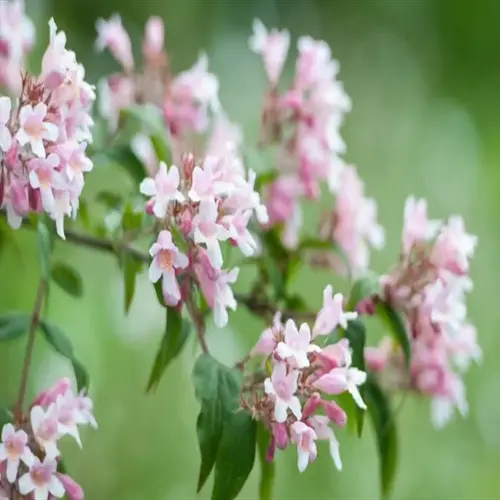
Match the spot to that one rule and the rest takes care of itself. Find your wettest, most acidic, lightly shaded corner, give the clay a little pine bark, and steer clear of dry or limey ground. Try the lowest patch first, since that is where summersweet shines. Get the site right and your shrub rewards you with scented blooms in the exact place nothing else would grow.
Read the full article: Clethra Alnifolia: Grow Fragrant Summersweet