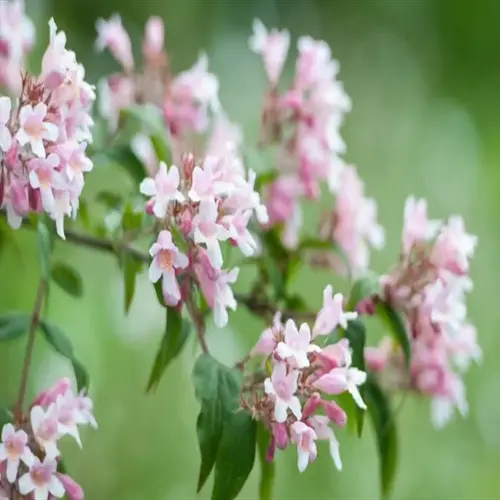

Yes, summersweet is one of the easiest flowering shrubs you can grow. Plant it in moist, acidic soil and it will largely take care of itself for most of the year. That makes summersweet low maintenance in a way few blooming shrubs can match. You will spend far more time enjoying the fragrant summer flowers than fussing over the plant.
The reason this is such an easy care shrub comes down to its tough nature. Clethra alnifolia shrugs off most of the trouble that plagues other plants in your yard. You will not be out there spraying or babysitting it week after week. Set it up well at the start and the work nearly vanishes.
On a proper site, summersweet stays insect and disease resistant, so it rarely needs any spray. Deer tend to leave it alone, which saves you from fencing or repellents. It also handles salt well, so it works near roads, walkways, or coastal yards. NC State Extension notes this mix of resistance is why the plant earns its low-care name.
Your yearly to-do list stays short and simple. None of these jobs take long, and you can skip a few in any given year without harming the shrub. Here is the whole routine for a healthy summersweet.
- Water: Keep the soil moist, since this is the one thing summersweet truly needs to thrive.
- Prune: Trim lightly in late winter to shape the plant and clear out any dead wood.
- Suckers: Dig out unwanted suckers in spring if you want to keep the shrub from spreading.
- Rake up fallen leaves in autumn to limit late-season leaf spot the next year.
Real summersweet low maintenance care comes down to one thing on this list: steady moisture. Summersweet grows wild in swampy ground and along stream banks. Its roots want damp soil, not a dry bed that bakes in summer heat. A spot that stays naturally moist will cut your watering chores to almost nothing.
Light pruning keeps things tidy but stays optional. A quick trim in late winter clears dead stems and shapes the plant before new growth starts. You can even skip it some years with no harm done. The shrub blooms on new wood, so a late-winter cut will not cost you any flowers that summer.
Suckers are the one habit that may need a check. Summersweet spreads by sending up new shoots around its base over time. If you like a wider clump, just let them grow and fill in. If you want a single tidy shrub, slice the suckers off with a spade each spring and toss them.
The fall leaf rake matters more in damp, crowded spots. Leaf spot can show up late in the season when air stays still and wet. Clearing the old leaves removes where the spots overwinter and keeps next year's foliage cleaner. It takes ten minutes and pays you back the following summer.
For the easiest results, choose your planting spot with care before you dig. A naturally damp bed near a downspout, pond edge, or low corner of the yard suits this shrub best. Match the plant to that wet ground and you skip most of the watering work that a dry site would force on you.
Few plants give you this much for so little effort. This low maintenance native shrub feeds pollinators and perfumes the summer air. It turns a warm golden color in fall while asking next to nothing from you. Give it moist soil and a spot with sun to part shade. Your summersweet will then reward you for years with steady, fuss-free growth.
Read the full article: Clethra Alnifolia: Grow Fragrant Summersweet