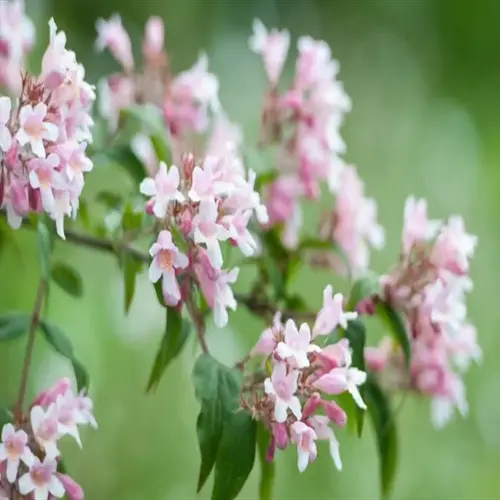

"Is that a butterfly bush?" My neighbor leaned over the fence and pointed at the pink Ruby Spice blooming in my damp back corner. Swallowtails and bees crawled over every spike. "Look at all those butterflies." It wasn't a butterfly bush at all. The plant she liked was Clethra alnifolia, native summersweet, and the whole clethra vs butterfly bush mix-up starts right there. The two look alike in bloom but come from different plant families.
So the short answer is no. Clethra is not a butterfly bush, even though both pull in clouds of butterflies all summer long. You confuse them because the flower spikes look similar from across a yard. Both stand about waist high. Both throw long tapered blooms in the same warm months. Summersweet just happens to be a strong native butterfly bush alternative, which is why I steer friends toward it when they ask.
The botanical split is clear once you look at the names. Clethra alnifolia sits in the family Clethraceae. It grows wild across eastern North America, from Maine down to Florida. Butterfly bush is Buddleia, a plant brought in from Asia. It is not native here. Several regions now track it as a problem. The Maine Natural Areas Program and the USDA PLANTS database both flag Buddleia as invasive. In parts of the country it spreads into wild land and crowds out local plants.
That invasive habit is the real reason you should care about the gap. A butterfly bush feeds adult butterflies nectar. But its leaves host almost no native caterpillars. Summersweet does both jobs for your yard. It feeds the adults. It also fits the local food web that your birds and bugs already lean on. So you back your local wildlife instead of fighting it.
If you want butterfly-bush color without the invasive risk, plant summersweet in a spot that stays moist. It thrives where butterfly bush would rot.
On the wildlife side, summersweet earns its keep. The sweet white or pink spikes draw bees, butterflies, and hummingbirds. They show up from midsummer into early fall, right when many other shrubs have quit. NC State Extension and the USDA Forest Service FEIS both note how much insect traffic the blooms get. I planted mine four summers ago by the back steps. I have stood next to it and heard it hum before I even saw a bee. That steady buzz tells you the pollinator shrub is doing its work.
Site choice makes your call easy. Butterfly bush wants dry, baked ground and full sun. It sulks anywhere damp or shady. Summersweet runs the other way. It takes moist soil, part shade, and even the wet edge of a rain garden. My own plant sits in a low corner that puddles after rain, and it loves it. So if your trouble spot is soggy or sits under trees, summersweet is the clear pick. You get the butterflies and skip the risk.
- Native to eastern North America and safe to plant.
- Loves moist soil and part shade.
- Feeds adult butterflies and hosts native caterpillars.
- Non-native Buddleia, flagged as invasive in some states.
- Needs dry ground and full sun to do well.
- Feeds nectar to adults but supports few native larvae.
My advice is simple. Choose summersweet when you want pollinator value without the invasive worry. Lean on it hard in those moist or shady spots a butterfly bush hates. Plant one near your path so you catch the scent in July. You trade nothing in color. And you gain a shrub that belongs in your yard.
Read the full article: Clethra Alnifolia: Grow Fragrant Summersweet