
Clethra alnifolia is both. The question of clethra sun or shade has an easy answer because this shrub grows in full sun to full shade. You rarely get that kind of range from a flowering plant, so you can plant it almost anywhere in the yard.
Here is what makes it stand out. A summersweet in a shaded north-facing bed flowers just as well as one in an open sunny border. Most flowering shrubs sulk in shade and skip their bloom. This one does not. That flexibility is the first thing to know about summersweet light requirements, and it changes where you can use the plant. You stop hunting for the one sunny patch and start thinking about the spots you already have.
Clethra is native to the wet woods and pond edges of the eastern United States. That background explains a lot. In the wild it grows under a high canopy, with filtered light overhead and damp ground below. So shade is not a stretch for it. The shrub evolved to flower in those conditions, which is why a shady bed reads as home and not as a hardship.
Light still shapes how the shrub performs, so the spot you pick matters. More sun means fuller bloom and stronger fall color, since the leaves turn a brighter yellow in autumn. But full sun in a hot region also dries the soil fast, and dry roots stress this plant. The clue shows up in the leaves, which scorch at the edges when they get too much heat and too little water.
Light dappled shade gives you the other side of the trade. The plant holds a tidier, fuller form there, the flowers carry their sweet fragrance better, and the whole shrub takes far less heat stress through summer. According to Clemson HGIC, summersweet does best in light dappled shade or morning sun with afternoon shade. That middle ground suits most yards well.
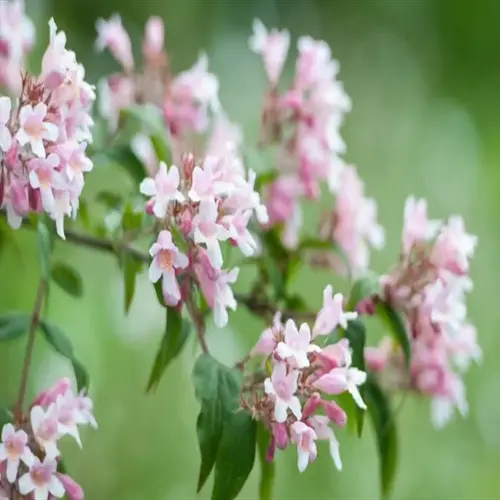
Deep shade is the real surprise. Clemson HGIC and NC State Extension both note one thing. Summersweet blooms well even in complete shade, and almost no other flowering shrub will do that. So a dim corner under tall trees, or the dark strip along a north wall, becomes a real planting spot. You get scented white or pink spikes in mid to late summer, right where you would expect bare green leaves.
There is one catch to the deep-shade option. The bloom may come a touch lighter than a sunny plant, and the growth can run a little looser as the stems reach for light. Neither one is a deal breaker. You still get scent and flowers from a spot that gave you nothing before, and a quick prune after bloom keeps the shape in check.
Match the spot to your goal. Pick light shade if you want fragrance and a neat, rounded shape near a patio or path where people walk by. The scent carries best in still, sheltered air, so a shady nook near a door pays you back every evening in summer. Choose more sun if heavy bloom is your aim and you have a damp spot to give it. The one rule that holds across every site is moisture. Keep the soil consistently moist, and water more often in sunny spots, because this plant likes wet feet and turns thin and crispy when it dries out.
A layer of mulch helps you hold that moisture, whatever light you choose. Two to three inches of bark or leaf mulch keeps the roots cool and slows down the drying that sun and wind cause. In a full-sun spot this step does most of the work, since it buys the plant time between waterings and guards against the leaf scorch that heat brings on.
That range is why summersweet earns a spot in so many yards. As a shade flowering shrub it solves the hardest planting problem most gardeners face, the dim corner that nothing wants to bloom in. Give it steady water and the light you have, and it will reward you with scent and color from a place you had written off.
Read the full article: Clethra Alnifolia: Grow Fragrant Summersweet