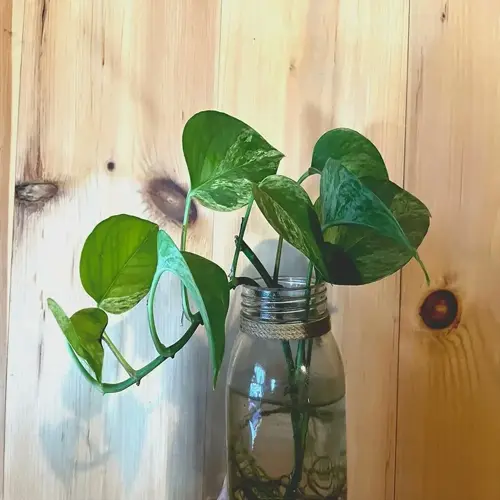

A leaf cutting will sit in a clear glass of water for several months, growing roots and sometimes tiny pups along the way. A snake plant in water can stay alive that long, but water alone is not a good forever home. The cutting lives, yet it never turns into a full, thriving plant the way it would in a pot of soil.
Watch the glass and you see the limit for yourself. New water roots push out from the cut end, pale and a bit coarse. Small shoots may even appear at the base, which is exciting to spot. But after those first months the cutting stalls. Clear water gives the leaf nothing to feed on, so the early burst of progress fades.
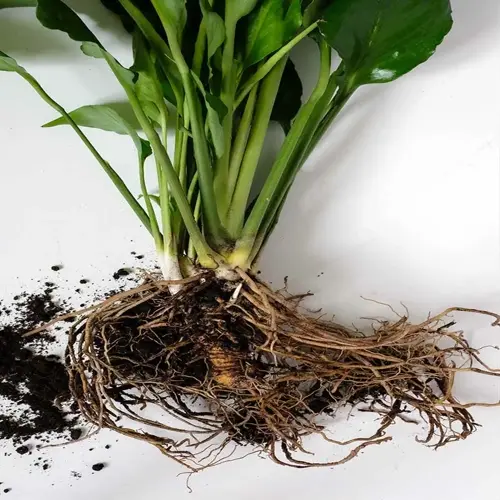
Here is the technical reason it slows down. Roots grown in water come out thick and coarse, built for a wet world instead of a dry one. These soft roots are not the same as the fine, branching roots a plant grows in dirt. Water on its own carries no nutrients and gives the plant nothing solid to grip. With no food and no anchor, the cutting can survive but it cannot fuel the real, steady growth that a snake plant needs.
The leaf does have a small fuel tank to start with. A fresh cutting holds stored energy inside its thick tissue, and that store powers those first roots and pups. Once it runs low, though, there is no way to refill it in plain water. The cutting then coasts in place, alive but not really growing, until you give it a richer home.
Soil fixes both of those gaps at once. A pot of mix feeds the roots and holds the plant upright so it can grow tall and put out new leaves. That is why the smart move is to transplant to soil instead of leaving the leaf in a glass for good. Water is the start of the journey, not the destination.
Timing the move matters, and a clear number helps. Iowa State recommends you transplant water cuttings once the roots reach about 1 inch (2.5 centimeters). That length tells you the cutting is ready to grab onto soil and keep growing. Move it too early and the young roots struggle to take hold in the mix.
Watch for roots near 1 inch (2.5 centimeters) long. That is your signal the cutting is ready for a pot of well-draining mix instead of a glass of water.
While the cutting still sits in water, the water itself needs care. Old, still water turns cloudy and slimy fast, and that film can rot the cut end. A clean glass also lets light reach the roots so you can track their progress. Iowa State says to change the water one to two times a week, which keeps it clear enough for most homes. UConn goes further and advises a daily swap for the best results.
So pick a routine and stick with it. A fresh fill every day gives the cleanest start, but a swap twice a week works fine if your days get busy. Each time you change the water, rinse the glass and check the cut end for any soft, mushy spots that signal trouble.
Treat water as a fun, short stage and you get the best of both worlds. You watch the roots form up close, then you pot the cutting into a draining mix once those roots hit about 1 inch (2.5 centimeters). The leaf keeps its head start from the water phase, and the soil gives it the food and grip it needs to grow for years.
Read the full article: Snake Plant Propagation: A Complete Guide