
My tray of cuttings on the south-facing windowsill finally pushed out roots once I cut back to a light splash every week or so. The batch before that drowned. I had kept the soil wet for weeks, and I watched the cut ends go soft and brown. The fix for watering new cuttings is plain: keep the medium barely moist, never soggy, and water far less than you think you should.
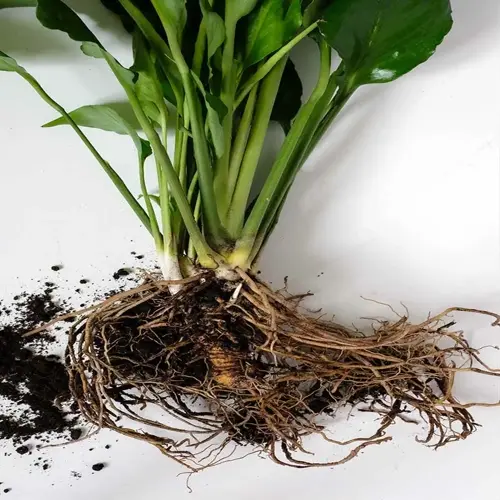
I noticed the second tray rooted three times faster than the soggy one. My own habit had been the problem, not the plants. Once I let the mix dry between drinks, firm white roots showed up in about a month. The cuttings looked happier and the leaves stayed stiff instead of going limp at the base.
Here is why the wet batch failed. A fresh cutting has no roots yet, so it cannot drink much water at all. The extra moisture just sits around the cut tissue with nowhere to go. That standing water is what causes root rot, and overwatering is the leading reason new snake plant cuttings die. The plant is not thirsty. It is trying to seal its wound and grow roots, and a soggy pot stops both of those jobs cold.
So how often is right? For cuttings in soil, water only when the top of the mix feels dry. That usually lands around once a week in warm months, but the calendar matters less than the feel of the medium. NC State Extension warns that overwatering rots the roots. The same source says to let the soil dry out between waterings during the growing season.
The season shifts the rhythm a lot. Snake plants slow way down when light fades, so they need almost no water then. NC State says to water mature plants only every one to two months in winter. New cuttings drink even less, so stretch the gap and aim for barely moist soil rather than a fixed schedule. If you are unsure, wait another few days and check again.
Press a finger about an inch into the medium. Water only if it comes out dry. If any soil sticks to your skin, the cutting still has enough, and a splash now risks rot.
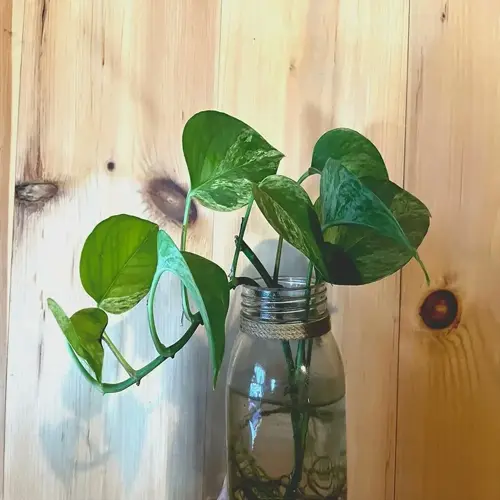
If you rooted your cutting in a glass of water instead, the rule flips a bit. You do not top up the glass as the level drops. You refresh the whole thing every few days so the water stays clean and full of oxygen. Stale water grows bacteria that turn the cut end to mush, which is the water-glass version of the same rot problem.
Two setup choices make the right amount of water far easier to hit. Use a pot with drainage holes so any extra water runs out instead of pooling at the bottom. Pair it with a gritty, fast-draining mix made for cactus or succulents. With that combo, even a slightly heavy hand drains away before it can sit and do damage to the young roots. I lost fewer cuttings the season I switched to a gritty mix.
Once your cutting takes hold, ease off even more. You will see firm new shoots, and you will feel real resistance when you give the leaf a gentle tug. At that point your snake plant watering shifts to the same slow routine a grown plant wants. Give it a deep drink, then let the pot dry out fully before the next one. Start sparing, stay sparing, and your cuttings root far more often than they rot. The first month is the risky part, so go slow when watering new cuttings until those roots take hold.
Read the full article: Snake Plant Propagation: A Complete Guide