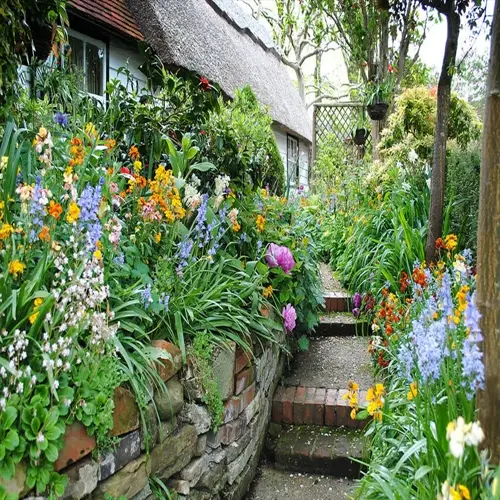

"Where did all these butterflies come from?" my neighbor asked, leaning over the fence one July morning. She was looking at the back strip where I planted a meadow the spring before. The flowers drew them in, and the meadow garden wildlife boom did not stop at butterflies. Yes, a meadow garden is very good for wildlife. It packs more biodiversity into a small patch than almost anything else you can do with that same ground. If you have a tired square of lawn, this is the best trade you can make for the animals around you.
The reason comes down to food. Your mown lawn is one or two grass types kept short, so it feeds almost nothing. A meadow mixes flowers and grasses that bloom from spring to fall. Those native plants feed a huge range of insects, and many of those insects are pollinators that move between blooms all day. When you give them more to eat, more of them show up, and they bring their predators with them.
Then the food web climbs from there. The insects feed birds, who hunt caterpillars to raise their chicks. A single nest of chickadees can eat thousands of caterpillars before the young leave. The bugs also feed bats, who sweep the meadow at dusk for moths and beetles. So your one patch of flowers turns into a working wildlife habitat that supports animals well up the chain. The main guide breaks down each layer of this food web in full detail.
The numbers back this up. Researchers at King's College, Cambridge turned a stretch of old college lawn into a meadow and tracked what showed up. The meadow held about 3 times more species than the lawn beside it. It carried roughly 25 times more invertebrate biomass, the raw weight of insects that everything else eats. And bat activity over the meadow ran about 3 times higher than over the grass.
Those are big jumps from one swap. Twenty-five times more bug weight is not a rounding error. It is the difference between a patch that feeds a few sparrows and one that hums all summer. The bats notice it. The birds notice it. My neighbor noticed it from her own yard, and within a year she had torn out her own back lawn to copy mine. You will get the same pull once your flowers fill in.
To get the most out of yours, pick regionally native plants first. Plants from your area feed the insects that evolved alongside them, and they need less water and fuss once they take hold. A flashy seed mix from a far-off region looks fine but feeds far less. Check what is native to your county before you buy, and lean on local plant lists rather than a generic wildflower can.
Add a few host plants, not just nectar flowers. Milkweed is the one I push on every gardener because monarch caterpillars eat nothing else. No milkweed means no monarchs, full stop. One small clump can raise a whole brood, so tuck it into a sunny corner of your meadow where it has room to spread. You only need a handful of plants to give the next generation a place to grow.
Last, leave some growth standing over winter. The urge to cut everything down in fall is strong, but those dead stems and seed heads are doing real work. Bees nest inside hollow stalks. Birds pick seeds through the cold months. Insects shelter in the litter until spring. Mow it all flat and you throw out half the wildlife you spent the year building. Leave it, and your meadow garden wildlife comes back stronger the next season.
Read the full article: Meadow Garden: A Complete Beginner Guide