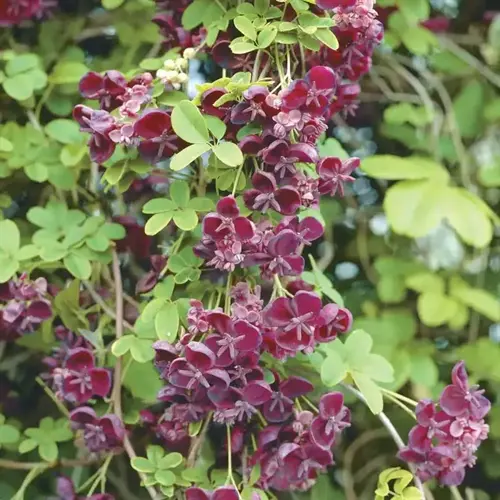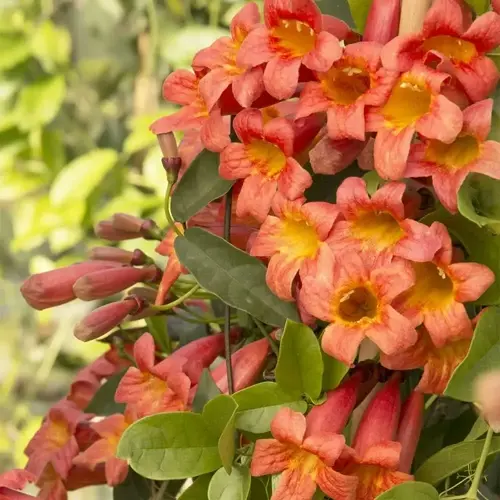

Cup and saucer vine is really a tender perennial, but most gardeners grow it as an annual. So whether you call this an annual or perennial vine comes down to one thing: your winters. In a frost-free climate the plant comes back year after year. Where winters freeze, it dies after one season and you plant fresh again next spring.
The same plant tells two different stories depending on where it grows. Set it in a frost-free garden and it lives for years, climbing higher each season into a woody, long-lived vine. Plant it where a hard freeze hits and it behaves like a one-season annual. It blooms in late summer and then dies with the first frost. The label depends on your garden, not on the plant. So before you decide what to call it, you really need to know how cold your own winter gets.
The big-name plant authorities agree on this split. Cornell calls it an evergreen perennial in its frost-free native range. The RHS rates its hardiness at H2. That rating means it takes low temperatures down to about 1 to 5°C (34 to 41°F), but it does not survive a freeze. NC State Extension lists it as a perennial in USDA zones 9 to 11. Read those three sources together and your picture is clear. The plant wants to live for years. Cold is the only thing that stops it, so your weather makes the call.
So your zone decides everything. In zones 9 to 11 your vine is perennial and can even stay evergreen, returning each year from the same roots. In any colder zone, frost kills it, so gardeners there grow it as a half-hardy annual and replant every spring. You have a middle path too. Grow your vine in a large pot, and you can move that pot indoors before the first frost to keep the plant alive over winter. That way you get a returning plant even in a cold climate, as long as you have the indoor space for it.
- Works in USDA zones 9 to 11 where winters stay frost-free.
- Returns each year from the same roots and can stay evergreen.
- Climbs higher every season into a woody, long-lived vine.
- No replanting needed once the vine is established.
- The right choice in any zone colder than 9, where frost kills it.
- Lives one season, blooms in late summer, then dies with frost.
- Start fresh seeds indoors each spring for a new plant.
- Stays smaller, reaching 10 to 20 feet in a single year.
To make the call for your own garden, find your USDA zone first. That single number settles the question faster than anything else you can check. If you sit in zone 9 or warmer, plant your vine once and let it return as a perennial each year. If your winters dip below freezing, plan on a fresh plant every spring and enjoy it as a fast, showy annual. Either way you get the same green-to-purple bell flowers in late summer, so neither choice shortchanges your display.
If you love the idea of keeping the same plant going through a cold winter, the potted route is your friend. Grow your vine in a container you can lift, then bring it under cover before frost arrives. The full how-to on overwintering deserves its own walk-through, so I keep that detail there rather than crowd it in here. For now, your short version is simple. Know your zone, then choose whether to let the plant come back on its own, replant it yearly, or shelter a pot indoors. Match the plant to your climate, and the annual-versus-perennial question stops being a puzzle. It turns into an easy yearly habit.
Read the full article: Cup and Saucer Vine: Complete Care Guide