
For almost every garden, the cypress vine annual perennial question lands on one answer. You should treat it as an annual. It only acts like a true perennial in the warmest corners of the country, which means most people will plant it fresh each year.
Online garden forums argue about this all the time. One person swears it comes back year after year, so it must be perennial. Another person watched it die flat and brown the first cold night, so they call it an annual. Both are looking at the same plant. The confusion comes from what coming back really means.
A true perennial survives winter from the same roots. The top growth may die off, but the root crown stays alive underground and pushes out new shoots in spring. Cypress vine does not do this in most climates. The frost kills the whole plant, roots included. What returns the next year is not the old plant at all. It grows from seed the vine dropped before it died.
That difference matters for how you plan your garden. The vine you see climbing in May is a brand new seedling, not a survivor from last year. When you understand that, you stop expecting old roots to wake up. You start watching for fresh sprouts instead. So the cypress vine annual perennial label really depends on where you live and how you read the plant's behavior.
NC State Extension puts a clear line under it. They classify cypress vine as an annual across the United States. They call it a tender perennial only in USDA zones 11a to 12b. Those zones cover frost-free spots like the southern tip of Florida and parts of Hawaii. If your winters dip below freezing, your plant will not survive from its roots. It does not matter how strong the vine looked all summer. The cold still ends it.
Annual in nearly all of the country. Tender perennial only in frost-free USDA zones 11a to 12b, where the roots can survive a mild winter.
The phrase tender perennial trips people up, so let me break it down for you. Tender means the plant cannot handle frost. Perennial means it can live more than one season. Put them together and you get a plant that lives for years only where winter never freezes. Move it north and that same plant acts as a one-season annual. The cold ends its life before it can return. So your zone, not the plant's nature, decides what you get.
Knowing the cypress vine life cycle makes the care simple. The seed sprouts in late spring once the soil warms. The vine climbs fast, flowers through summer, sets seed pods in fall, then dies at first frost. In zones 11 and 12 the roots may hold on through the mild winter. Everywhere else, the year ends with the plant and starts over from seed.
So here is what you should actually do. In most of the country, treat your cypress vine as an annual and plant fresh seed each spring. You can also let the pods scatter on their own and skip the replanting, since dropped seed often sprouts the next year. Only count on overwintering roots if you garden in zone 11 or 12. Anywhere colder, plan for a yearly start and you will never be caught off guard when the old vine fails to return.
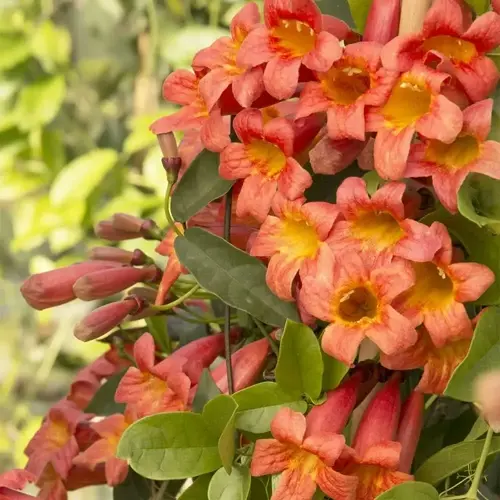
Check your zone before you spend money on this plant as a long-term fixture. If you live north of zone 11, do not buy it expecting a vine that lives for years on its own. Buy it as the fast, showy annual it is in your garden. You get the same red flowers and feathery leaves either way. The only thing that changes is whether you plant it once or start it again each spring.
Read the full article: Cypress Vine: Care, Flowers, and Facts