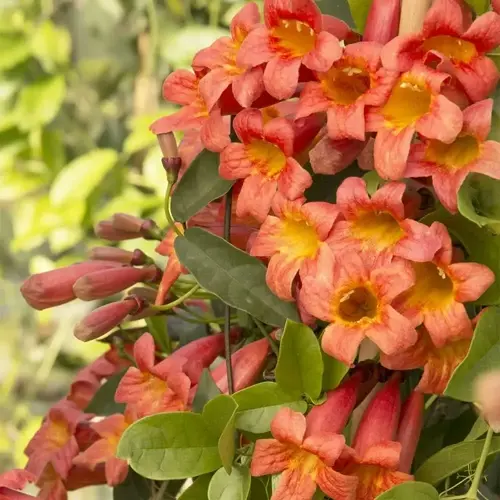

Yes. Cypress vine is toxic to dogs, and it is the seeds that pose the real danger. Picture a dog nosing along the base of a fence in late summer, sniffing at the small dark seed pods that have dropped onto the soil. Those pods are the part you want to keep out of reach, far more than the lacy green leaves above them.
Cypress vine is part of the morning glory family. That link is what drives the cypress vine toxic dogs warning. Its plant name is Ipomoea quamoclit. The whole Ipomoea group carries the same risk for pets that nibble where they should not.
The trouble comes from indole alkaloids, the natural compounds packed inside the plant. These alkaloids sit most heavily in the seeds, which is why a chewed seed pod is far more dangerous than a mouthful of foliage. A dog that eats a handful of seeds takes in a much stronger dose than one that licks a leaf. The leaves are not safe to eat either, but they hold far less of the harmful stuff.
These compounds can upset the gut and, in larger amounts, affect the nervous system. That is the core of any honest cypress vine pet safety conversation. A dog that swallows seeds may vomit, drool, or pass loose stools, and a big dose can leave it wobbly or disoriented. Small dogs feel the effects faster because the same number of seeds hits a smaller body harder.
The plant guides agree on the warning. The ASPCA lists morning glory (Ipomoea) as toxic to dogs, cats, and horses, and cypress vine sits inside that same genus. The NC State Extension plant database and UF/IFAS both flag the species as toxic to these animals. When that many sources line up, you should treat the risk as settled rather than borderline.
Call your vet or the ASPCA Animal Poison Control Center at (888) 426-4435 right away. Note how many seeds you think your dog ate and roughly when, since that helps them judge the risk.
Day to day, the fix is simple. Keep dogs away from any dropped seed under the vine, and snip off the seed pods in spots where pets play or dig. Pods turn brown and split open as they ripen, so a quick check every week or two during late summer catches them before they fall. Pull volunteer seedlings in spring too, since this plant reseeds itself with ease. A small drop cloth under the vine during seed season makes cleanup faster. The pods land on the fabric instead of in the grass and dirt.
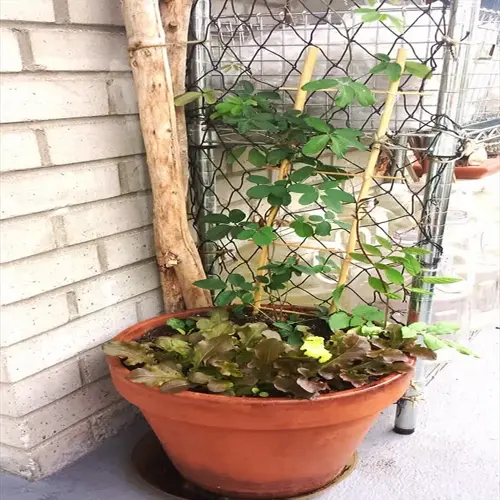
It also helps to plant the vine in the right spot from the start. A trellis against a wall, a tall obelisk, or an arch over a path all lift the flowers and most of the leaves well above a dog's nose. The seeds still fall straight down, so put a barrier or a mulch ring at the base that you can rake clean. Container growing on a raised deck keeps the whole plant out of reach for diggers.
You do not have to rip out a vine you love. Plenty of owners grow it well above a dog's reach and stay ahead of the seed drop below. The plant is still cypress vine poisonous by every listing above. So a chewer or a digger calls for more caution than a calm older dog. Watch your own pet's habits. When a seed pod ends up in the wrong mouth, make the call to your vet rather than waiting to see what happens.
Read the full article: Cypress Vine: Care, Flowers, and Facts