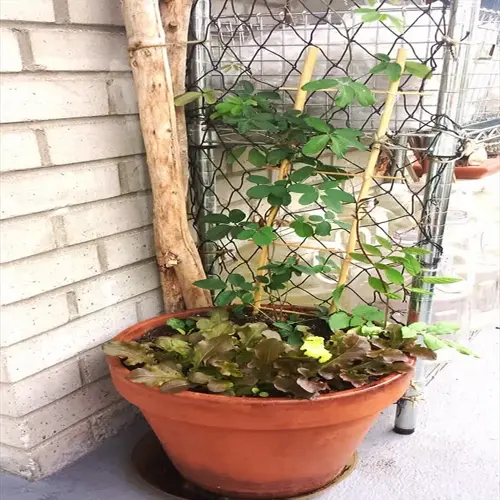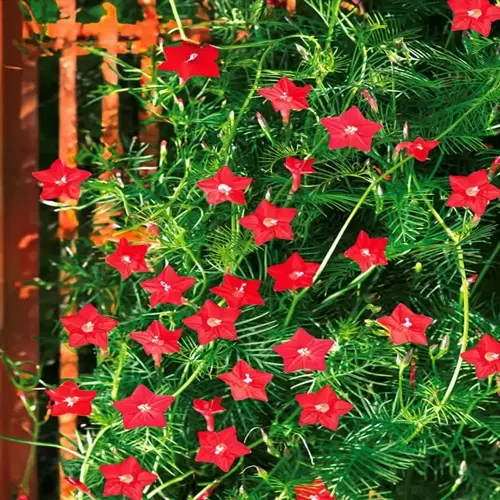
One cold October I cut back my two red porch plants to bare stubs. I pulled both pots off my back porch and set them in my unheated zone 7 garage, sure I had seen the last of them. They sat brown and leafless for months. I checked them once or twice and saw nothing. By the next May both pushed out soft green shoots, and by June they bloomed on that same porch. So the answer to dipladenia annual or perennial is simple. It is a tender perennial that most cold-climate gardeners grow as an annual.
The plant has no short life span built into it. A dipladenia wants to live for years, the way a houseplant does. What kills it is frost, not old age. So your plant acts like a one-season annual or a long-lived perennial based on one thing. Does it spend the winter somewhere cold, or somewhere safe? That single fact decides its whole future.
Dipladenia comes from the warm parts of Brazil, where it never sees a freeze. That tropical past is the whole story. The roots, stems, and leaves have zero tolerance for cold. No dormancy trick lets it tough out a frozen night outdoors like a hardy shrub can. Its survival rests on staying warm, full stop. Take away that warmth and you lose your plant.
Dipladenia starts to suffer at 45 to 50°F and frost finishes it off fast. It only lives for years outdoors in USDA zones 10a to 11b, where winters stay mild.
This is why your dipladenia hardiness zone matters so much. Garden in zones 10a to 11b and your plant stays outside all year. It then acts like a true perennial and comes back bigger each season. North of that, the first hard frost ends it. Most of the country falls into that colder group. So most gardeners only ever see dipladenia as a summer annual.
Before you pick a path, you should figure out your own zone, since that one number changes your whole plan. You can look it up in seconds with your zip code on the USDA map. If you land in zone 9 or lower, plan on cold winters that your dipladenia will not survive outside. If you sit in zone 10 or warmer, you can leave yours in the ground and let it grow into a thick, woody vine over time.
That leaves you with a clear choice, and both paths work. The easy route is to treat it as an annual. You buy a fresh plant each spring, enjoy the blooms all summer, and let it go when frost arrives. Plenty of people do this on purpose. The plants cost little, and you get a full, tidy pot from day one.
The other route is the one my garage plants took. You bring the pot indoors before the cold hits and keep the same plant for several years. A plant you overwinter well comes back fuller and with more flowers than any new one you could buy. It already has a strong root system in place. The trade is a bit of indoor space and some basic winter care. For me that swap has been worth it. My two porch plants are now on their third summer.
Want to keep yours alive through the cold months? The timing and the indoor setup both matter, so check our dedicated overwintering guide for the full steps. For now the identity is clear. Dipladenia is a perennial at heart that just cannot face frost. That is why so many of us grow this tender perennial as a cheerful one-summer annual.
Read the full article: Dipladenia Plant Care: A Complete Guide