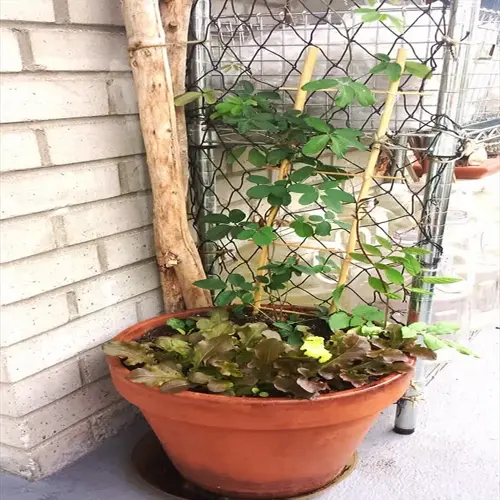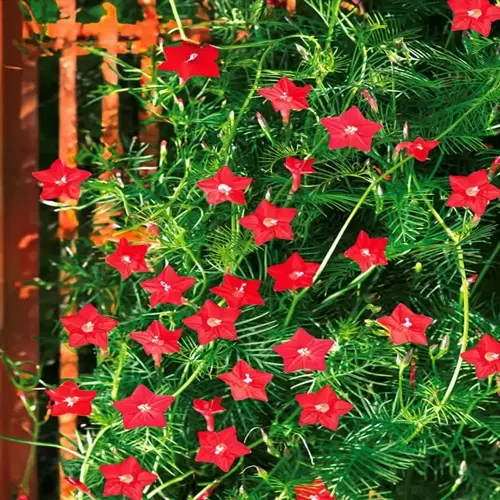
"Are those red ones safe for the dog?" my neighbor asked me over the fence. She nodded at the dipladenias on my porch. Then she paused before she let her terrier near them. So I checked a few trusted sources. Here is the short version on dipladenia toxic to pets. Treat the plant with care. Keep your curious pets and kids away from it. Is dipladenia poisonous in a way that should scare you? Most likely not. But there is reason to play it safe. I would not let a dog or a cat chew on it.
Here is what we know for sure. Dipladenia is part of the dogbane plant family. That family share a milky sap and a long name, Apocynaceae. They also have a known link to irritant compounds in the sap. That is why the whole group gets handled with care. The family tie is the main reason this plant is on the caution list. There is no big stack of pet studies to back it up, so the picture is a bit fuzzy.
The best guide here comes from UF/IFAS, a plant science team at a state school. They warn that the milky sap can irritate skin. It may also be toxic if a pet eats it. That careful line is the real story on dipladenia sap safety, and I want to stay right inside it. You will see bolder claims online, with named toxins and pet-by-pet harm scores. Those claims are not well backed for this plant. So I will not call the sap safe. And I will not tell you it is deadly. The truth sits in the middle.
Skin contact with the sap may cause irritation. Eating the leaves or stems may make a pet sick. The real danger level is not well documented, so the smart move is caution, not panic.
What does caution look like day to day? When you prune yours, wear gloves. The cut stems weep that white sap right away. If the sap touches your skin, wash it off with soap and water. Do not rub your eyes before you do. None of this takes special gear. A cheap pair of garden gloves and a tap is the whole kit. You probably own both already.
For your pets and small children, the rule is simple. Keep them from chewing the leaves or stems. Most dogs and cats walk right past a dipladenia. So you are guarding against the rare curious chewer, not fighting a daily battle. Put the pot where a bored puppy or a toddler cannot reach a mouthful. Do that, and you have handled the main risk. A hanging basket or a high shelf works well for this.
If your pet does eat some, do not just wait and watch. Call your vet or a pet poison line. Tell them the plant name and roughly how much went down. A photo of the plant helps too, so snap one if you can. They can tell you whether to monitor at home or come in. Watch for drooling, an upset stomach, or a sore mouth in the meantime. That one phone call costs you nothing. It also takes the guesswork out of a stressful moment, which is worth a lot when you are worried.
So keep your answer narrow and practical. Dipladenia is best treated as mildly risky, not fully safe and not a horror story. Glove up when you cut it. Rinse off any sap. Keep the chewers away from it. Do those three things, and a porch full of red blooms stays a pleasure instead of a worry. That is the whole job.
Read the full article: Dipladenia Plant Care: A Complete Guide