
Both methods work, so the real answer to water or soil propagation comes down to your goal. Pick water if you want to learn the process and watch roots form. Pick soil if you want the strongest long-term root system with the least fuss later on.
The difference shows up right away in what you can see. A leaf cutting in a clear glass of water lets you track every new root as it pushes out, which makes the whole thing feel less like a guessing game. Soil hides all of that under the surface, so you wait and trust the process until a new shoot finally appears at the edge of the pot.
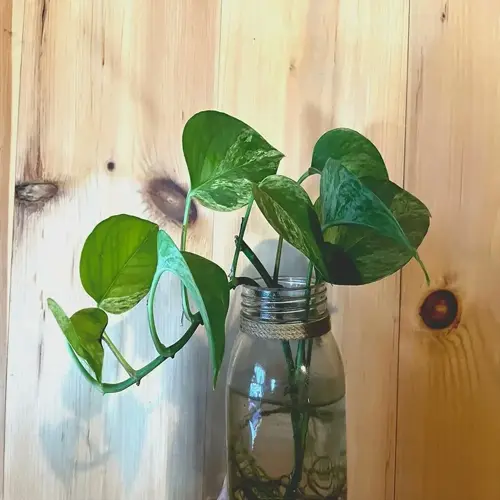
That visible payoff is why snake plant water propagation wins so many fans. Beginners love it. Impatient growers love it more. You cut a healthy leaf, drop the bottom inch into water, and set the glass in bright indirect light. Change the water often so it stays clean and full of oxygen. Iowa State Extension says to swap it one to two times a week. UConn goes further and tells you to do it daily.
A few small habits make the water method work better. Use a glass you can see through so you never lose track of the roots. Keep the cut end pointing the same way it grew on the plant, since a leaf flipped upside down will not root. Top up the water as it drops below the cut, and rinse any slime off the leaf when you do. Warm rooms speed things up, and you should see the first white nubs in three to five weeks.
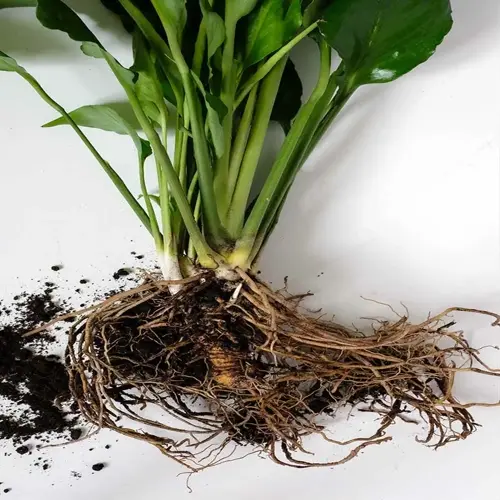
Here is the catch most people miss. Roots that grow in water are not the same as roots that grow in dirt. According to Iowa State Extension, water-rooted cuttings form coarser roots that are built for life in a glass, not a pot. Those roots adapt poorly once you move them, and the plant can wilt or drop leaves while it scrambles to grow a new set suited to soil.
That is the main argument for snake plant soil propagation. When a cutting roots straight into a pot, it never has to switch from one root type to another. You stick the cut leaf about an inch deep into a well draining mix and keep it barely moist, not soggy. A cactus or succulent mix works well because it drains fast and rarely stays wet. Progress stays hidden for weeks, but the roots it builds are sturdier and pot-ready from day one.
The soil method asks for patience more than skill. You will not see anything happen above the soil line for a month or more, and that silence makes some people pull the leaf to check on it. Resist that. Every time you tug the cutting you break the fragile new roots and set the whole thing back. Water only when the top of the mix feels dry, and keep the pot warm with steady light. A gentle tug that meets resistance is your sign roots have taken hold.
- You can watch roots form in a clear glass.
- Great for beginners and impatient growers.
- Roots are coarser and adapt poorly to soil.
- Needs fresh water one to two times a week.
- Roots are sturdier and ready for pots.
- Hides progress until shoots appear.
- Less transplant shock down the line.
- Needs only barely moist, well draining mix.
If you go the water route, the timing of the move matters more than anything. Don't let the roots get long and tangled in the glass. Plant them into soil once they reach about 1 inch (2.5 centimeters) long. Young, short roots make the switch far better than older ones, so you cut down on transplant shock and give the leaf its best shot at settling in.
So the choice is simple once you know what you want. Use water to learn, to watch the magic happen, and to enjoy a quick win. Use soil for a plant you can mostly ignore and trust to build a tough root system on its own. Either way you end up with a new snake plant, just by a different path.
Read the full article: Snake Plant Propagation: A Complete Guide