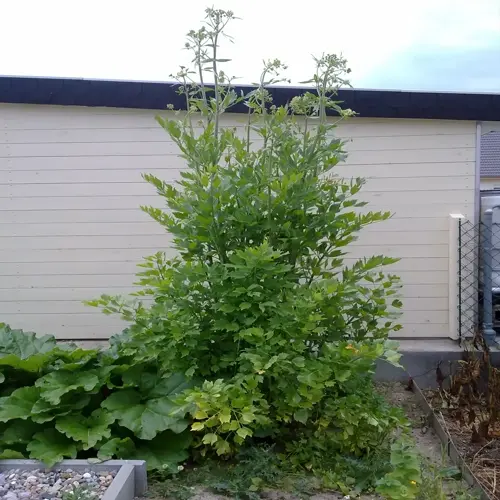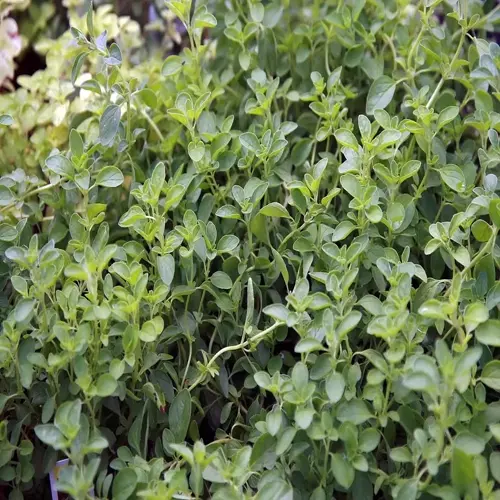

I planted a pinch of Giant of Italy seed into the raised bed by the kitchen window, then watered the row well. For three straight weeks I checked that bare brown soil every morning and found nothing. On day twenty, thin green threads pushed up across the whole row at once. Yes, growing parsley at home is easy once it sprouts. The plant asks for almost nothing after that first slow start. I have grown it every season since with barely any fuss.
Parsley is one of the best picks for a beginner herb garden because the hard part ends fast. You only have to win the waiting game once. After the seedlings show up, the plant grows steady for months. It also forgives the small mistakes that kill fussier herbs like basil or cilantro. My own plant pulled through hot weeks and skipped waterings, and it kept right on going. I noticed it bounce back from neglect that would have flattened a basil pot. That kind of toughness is rare in a plant this useful in the kitchen.
The one real hurdle is slow, uneven germination. Growing parsley from seed can take two to five weeks to sprout. The seeds also rarely come up on the same day. That long, patchy gap throws off new gardeners who assume the seed is dead and dig the bed back up. The seed is fine. It just sits there soaking up water before it cracks open. I have learned to mark the row with a label so I do not plant something else on top of it by mistake.
You can speed that wait up. Soak the seeds in plain water for 24 hours before you sow them. That overnight soak softens the hard coating that holds back sprouting. Fresh seed matters too, since parsley loses vigor after a year or two in the packet. If your packet is old, buy a new one. Keep the top half inch of soil damp the whole time as well. Dry soil during germination stalls the seeds and resets your wait back to the start.
Once the plant is up, it shrugs off rough treatment. Parsley grows well in a container on a balcony or a sunny sill, so you do not need a yard to keep it going. A pot about eight inches deep gives the long taproot enough room. It handles light frost without flinching and often pushes fresh leaves into late fall, long after tender herbs have quit. Miss a few waterings and an established plant droops. Give it a drink and it perks right back up within a day.
Sun and soil stay simple for you too. Parsley takes full sun or a few hours of afternoon shade, so you stay flexible about where you put your pot. Plain garden soil with a bit of compost is enough, and you do not need fancy feeding. One steady harvest habit keeps your plant lush: cut the outer stems at the base and let the center keep pushing new growth. The more you snip, the more it gives back to you through the season.
Buy a small parsley transplant if the two to five week germination feels discouraging; it gives you a head start while you learn the plant's easy care.
So here is the simple plan. Soak your seeds overnight, sow fresh seed about a quarter inch deep, and keep the soil damp while you wait out those first weeks. If the slow start sounds like a pain, skip it. Grab a transplant from the garden center and you get a working plant on day one. Either way, you end up with a steady supply of leaves that keeps going long after the rest of the garden fades.
Read the full article: Parsley Plant Guide: Grow, Harvest, Use