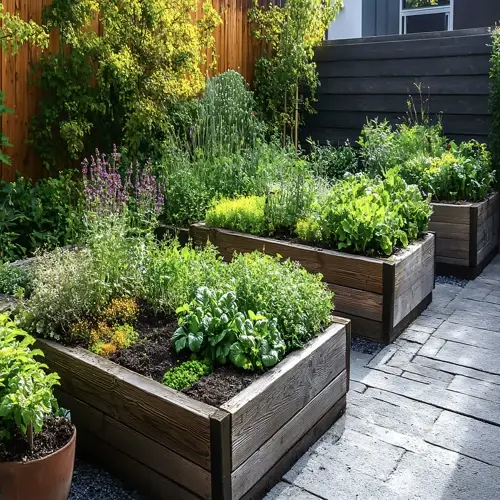

Frost rimmed the edges of every leaf in the raised bed by the back fence one cold morning, the green still firm under the white. I stood at the kitchen window with my coffee and watched it. I kept pulling harvests from those leaves under a thin row cover. The tender crops I had planted a few feet away had already collapsed into mush.
Yes, spinach is winter hardy, and that toughness is no accident. Spinach winter hardiness runs deeper than almost any other leafy green you can grow at home. Healthy plants shrug off temperatures down to 15 to 20°F (-9 to -7°C). That is why cold hardy spinach stays on the menu long after the rest of the garden gives up. The leaves keep their flavor and texture even as everything around them browns and folds.
The research backs up what the back fence bed showed me. Clemson reports that spinach survives 20°F (-7°C) without injury. Penn State found seedlings handle 15 to 20°F (-9 to -7°C) once they get going. Maryland notes that protected crops can be picked into December. In mild areas, those fall plantings overwinter on their own with no cover at all.
Cold does more than fail to kill spinach. It makes the leaves taste better. As temperatures drop, the plant turns its stored starches into sugars and pumps them through the leaf tissue. That sugar works like a natural antifreeze, lowering the point at which cell water freezes and ruptures the cells.
You taste the result on the fork. Fall and winter spinach comes out much sweeter than the spring crop. The flat, faintly bitter edge that warm-weather leaves can carry just is not there. A hard frost is not a threat to dread here. It is the thing that earns you the best spinach of the whole year, and it costs you nothing.
Pick spinach in the morning after a frost, once the leaves have thawed on the plant. Harvesting them while still frozen and stiff bruises the tissue and turns the leaves limp.
Pushing past that 15 to 20°F (-9 to -7°C) floor takes a little help from you. A row cover, cold frame, or low tunnel traps a few degrees of warmth around the plants. It also blocks the drying wind that does as much damage as the cold itself. Overwintering spinach works well under any of these covers. You keep cutting fresh leaves all winter while the plants sit tight under the cloth and wait out the freeze. Give them that small shield and your bed keeps producing when the snow flies.
- Sow: Plant in early fall so roots and a few true leaves are well established before the first hard frost hits.
- Cover: Add a row cover or low tunnel once nights start dipping below freezing, and a cold frame for the coldest stretches.
- Expect overwintered plants to slow or stop in deep winter, then restart growth on their own in early spring.
Timing your fall sowing matters more than any cover you buy. Plants that go in too late stay small and weak. Small plants do not survive cold the way established ones do. Get your seed in the ground while the soil is still warm. The plants then build the size they need before the worst weather arrives, and your overwintering odds climb.
Come early spring, those overwintered crowns wake up fast and push fresh leaves weeks before any new spring sowing would be ready to cut. You get the earliest harvest in the neighborhood from plants you set out the previous fall. That two-season payoff is the real reward of spinach winter hardiness, and few crops match it. Plan around it, and your cold hardy spinach feeds you from one fall right through to the next spring.
Read the full article: Spinach Growing Guide for Sweet Leaves