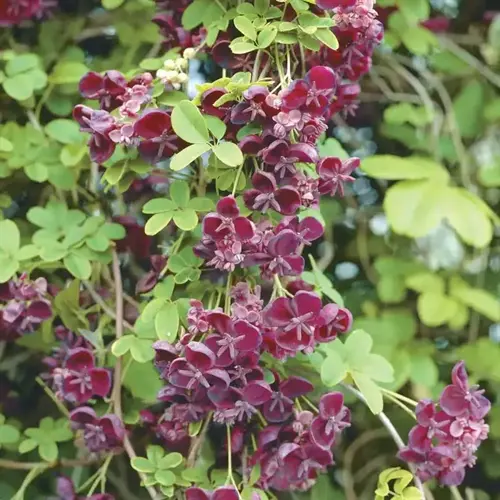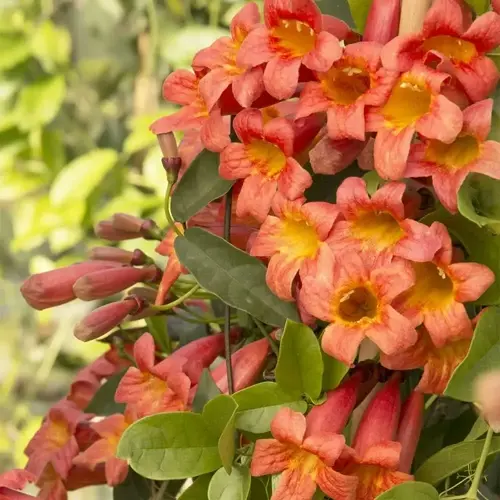

Most gardeners want a clean yes or no, and a showy climber like this one feels like it should land in one camp or the other. The honest answer on cup and saucer vine toxicity is that nobody has it pinned down. The major plant-safety databases do not list it as a poisonous plant, but they do not clear it as safe either. So treat it as unverified, not proven harmless.
Here is the gap in plain terms. The big authoritative sources gardeners trust for pet safety do not carry an entry for this vine at all. There is no published profile saying it is toxic to dogs and cats, and no profile saying the leaves, flowers, or seeds are edible or harmless. Silence is not the same as a green light. It just means the plant has not been tested or reviewed the way common houseplants have.
Why does that matter for you? Plenty of ornamentals sat on a safe list for years. Then someone studied them and found a mild irritant in the sap or the seeds. A plant grown for looks gets bred for color and bloom size, not for how a dog's stomach handles it. So your smart move is to assume nothing about it. An absent toxicity record is your reason to be careful, not your reason to relax. You lose nothing by treating it as a question mark.
The seeds deserve a second thought from you. This vine produces large pods, and big seeds are the kind of thing a curious dog will pick up and chew. Even a plant that turns out to be non-toxic can choke a pet or block its gut if your dog swallows something that size. So keep fallen pods raked up off the ground where your animals roam. A quick sweep after a windy day keeps the worst of them out of reach.
So what should you do with it? Site the vine somewhere your pets cannot reach it. Run it up a tall trellis, an arch, or a fence. That way the lower stems stay above a curious nose. A few feet of clearance does most of the work for you. Say you have a dog that grazes on anything green. Then give the plant its own corner behind a low garden barrier instead of letting it sprawl across your path.
Watch your new plantings the first couple of weeks. That is when your pets investigate a fresh smell in the yard. It is also when the seedlings sit low enough for them to nibble. Once the vine climbs out of reach, your daily risk drops sharply. Cats tend to leave it alone, but keep an eye on a bored cat that can bat at dangling foliage. You know your own animals better than any chart does.
If your dog or cat does eat any part of the plant, do not wait to see what happens and do not lean on garden-forum folklore. Call your veterinarian or a pet poison-control line, and tell them what was eaten and how much. Bring a leaf, a flower, or a pod so the plant can be identified fast. Watch for drooling, vomiting, or an upset stomach, and report those signs right away. Fast facts help the staff guide you well.
Your takeaway here is steady, not scary. There is no record proving this vine harms pets, and no record proving it is safe. Grow it where your animals cannot graze on it. Clean up the seed pods, and keep a poison-control number where you can find it fast. That measured approach covers you whichever way the science eventually lands.
Read the full article: Cup and Saucer Vine: Complete Care Guide