
Introduction
That clump of grass at the shady edge of your yard might not be grass at all. The sedge plant belongs to a genus called Carex. Scientists rank it among the four largest flowering plant genera on Earth. A 2013 study in the journal Annals of Botany counts more than 2,000 Carex species. So one quiet garden plant is far bigger and stranger than it looks.
Carex is also the most diverse plant genus of the northern temperate zone. That is the band of the world where most of us garden. So this is no rare botanical oddity. It is a grass-like perennial in the family Cyperaceae. A few of its members likely grow within a mile of your front door.
Most pages hand you one tired line about triangular stems and call it done. The old mnemonic sedges have edges is real and useful. You can often name a sedge just by rolling its stem between two fingers. But that phrase leaves out the parts that settle an argument. The true marker is the perigynium, a tiny sac that wraps the fruit. Back that up with leaves set in 3 ranks instead of the 2 a true grass shows.
More and more gardeners now grow sedges as low-maintenance lawn alternatives. They also work as tough shade groundcovers. That pull is well earned. This guide covers clear identification, how to plant and care for sedges, and the best varieties to grow. You will also learn the wildlife value that makes them more than a pretty filler. Let's start with the simple question underneath it all. What is a sedge, really?
What Is a Sedge Plant?
A sedge plant is a grass-like perennial in the family Cyperaceae. Most of the ones you meet in a garden belong to the genus Carex. It looks like grass from across the yard. Get close and roll a stem between your fingers, though, and you feel the difference right away.
The trick is the stem. Sedges have triangular stems that feel solid and edged. Grass stems are round and hollow. That single clue is so reliable that botanists teach you the rhyme sedges have edges. In most cases you can name a sedge just by twirling its stem in your fingers, no flower or seed needed.
Carex is a giant. The genus holds roughly 2,000 to 2,100 species worldwide. That makes it one of the four largest flowering plant genera on Earth, says a 2013 study in Annals of Botany. Keep the scope straight here. Those numbers count the genus Carex by itself. The whole Cyperaceae family is far bigger. It holds about 4,000 species across many genera.
What surprises most people is where all that variety lives. Most plant groups pile up species in the tropics. Carex flips that pattern. It reaches its richest diversity in the cold temperate zones of the north. The genus name fits its character too. It comes from a word meaning cutter, a nod to the sharp triangular edges that can nick a careless thumb.
Think of sedges, grasses, and rushes as three branches of one grassy-looking family reunion. From a distance they blur together, yet each one gives itself away through its stem and leaves rather than a quick glance. The table below lays out the sedge vs grass versus rush clues side by side so you can tell them apart in the field.
Sedges are readily distinguished from grasses by their 3-sided, solid stems and by leaves with 3 ranks instead of 2.
How to Identify a Sedge
Most guides tell you to identify a sedge by its triangular stem and stop there. That single trick gets you most of the way, but the Missouri Department of Conservation lists five clues that work together. You can check four of them with your own hands, no hand lens needed.
Start by rolling a stem between your thumb and finger. A sedge feels solid with three sharp edges, while a grass stem rolls round and often hollow. These triangular stems are why the old saying goes that sedges have edges. Next, look at how the leaves come off the stem. Sedge 3-ranked leaves spiral around the plant in three rows, but grasses line theirs up in just two flat rows.
Trace each leaf to where it wraps the stem. Sedges have closed sheaths that fuse into a smooth tube. Grasses leave a split with a visible seam. The last two clues sit in the flowers. Leaflike bracts fan out below the flower clusters. Each female flower hides inside a tiny sac called a perigynium. That sac later holds the dry, nutlike fruit, the achene, which has two or three sides of its own.
The perigynium is the one structure that botanists trust for a real species name. UF/IFAS and NC State both note that you need a mature perigynium to pin down which sedge you have. The fruit hides a deeper difference too. In a grass, the seed fuses to its wall. But in a sedge the seed sits free inside the achene, a split that competitors almost never mention. Here are the five clues laid out so you can run through them in the field.
Triangular Solid Stems
- What to check: Roll the stem between your fingers; a true sedge feels three-sided and solid rather than the round, hollow stem of a grass.
- Why it works: The genus name Carex traces to Latin and Greek words for cutter, a nod to the sharp edges along the stem and leaves.
- Field tip: This single test, summed up as sedges have edges, lets you flag a plant as a likely sedge without any equipment at all.
Three-Ranked Leaves
- What to check: Look down at the plant from above; sedge leaves emerge in three vertical rows, while grass leaves line up in only two opposite ranks.
- Why it matters: This 3-ranked pattern is one of the most reliable ways to separate sedges from grasses once you train your eye to it.
- Field tip: Combine the leaf count with the stem test, because together they rule out most look-alike grasses very quickly.
Closed Leaf Sheaths
- What to check: Trace where the leaf wraps the stem; in sedges the sheath is closed and fused into a tube, whereas grasses usually have a split, open sheath.
- Why it matters: Closed sheaths are a quiet but dependable clue that holds up even when stems are young or partly hidden.
- Field tip: If the wrapping looks smooth rather than overlapping with a visible slit, you are most likely holding a sedge.
The Perigynium and Fruit
- What to check: Inspect the female flowers for a small sac or bottle-shaped bract; this perigynium encloses the ovary and later the dry, nutlike achene.
- Why it matters: A mature perigynium is the structure botanists rely on for definitive identification, and its shape often pins down the exact species.
- Field tip: The fruit also separates sedges from grasses, because in grasses the seed is fused to its wall while in sedges it is not.
Naming the exact species is a different game. UF/IFAS and Missouri DoC both say it stumps even trained botanists. They often dig up rootstocks and reach for a microscope to be sure. So take the pressure off yourself. Knowing a plant is a sedge is far easier than knowing it is one of more than 2,000. Run the stem and leaf tests, and you will spot a sedge every time.
If you only learn one test, learn the stem roll. Feeling three solid edges identifies most sedges by touch alone, long before you need a hand lens or a flower key.
How to Plant and Grow Sedge
The first time I planted a clump of sedge in my heavy clay backyard, I buried the crown an inch too deep and called it done. That plant sulked for a whole season. It threw up a few sad blades, stayed the same size, and looked like it might quit on me. The next spring I lifted it, loosened the bed, and set the crown level with the soil. It took off from there.
That one mistake taught me the most important rule of how to plant sedge. Planting depth and bed prep matter more than any fancy cultivar you can buy. The good news is the steps are simple once you know them, and they work across almost every species.
The growing conditions for sedge depend on the species you pick, not on one fixed formula. UF/IFAS notes that Carex grows in many habitats. You find it in marshes, in damp forests, and on dry open sandhills. So match the plant to its native moisture and light instead of forcing every sedge into the same shady corner. A woodland type wants damp shade, while a tough native may prefer drier sun.
Choose a spot that suits the species, from moist shade for woodland types to drier sun for tougher natives. Sedges range from marshes to dry sandhills, so the right match does half the work for you.
Loosen the soil and work in modest organic matter for drainage. Skip heavy feeding, because rich, soggy ground stresses slow-growing sedges instead of pushing them along.
Dig a hole as deep as the root ball and place the plant so its crown sits level with the surrounding soil. Never bury the crown below the surface, or the plant will sulk like mine did.
Give clumping sedges room to fill in and space spreading types a little wider. Good sedge spacing in groups of 3 or 5 builds a fuller, more natural carpet over time.
Soak the area once after planting to settle the roots, then water only as needed. Over-watering harms sedges as much as drought does, so let the top inch dry between drinks.
Sedges grow slowly, so plan to plant in spring or fall and bring some patience. They settle their roots before they push much top growth, which means the first year can look quiet. By the second season most clumps double in size and start to carry the look you wanted.
Picking the right species for your region beats chasing one popular cultivar. Common garden sedges cover USDA hardiness zones 3 to 9, so check your zone before you buy and pair the plant to your site. A sedge native to your area will shrug off your winters and summers with far less fuss.
Once a clump fills out, you can divide sedge to make new plants for free. In early spring, lift the whole clump and pull or cut it into sections, each with healthy roots and a few growing points. Replant those divisions at the same depth, water them in, and you turn one plant into several without spending a cent.
Do not plant sedges in rich, constantly wet soil expecting fast growth. They grow slowly by nature, and over-watering or over-feeding stresses them rather than speeding them up.
Sedge Care and Maintenance
Good sedge care comes down to doing less, not more. These plants thrive when you leave them alone, and they sulk the moment you treat them like a fussy perennial. The single biggest factor in long-term health is restraint with water and fertilizer, so resist the urge to baby them.
Many evergreen and semi-evergreen sedges never need a hard chop at all. They just want a quick tidy. People often grab the shears in spring and cut back sedge the way they would ornamental grasses, but that habit sets the plant back for months. NC State Extension notes that sedges grow slowly. They also recover slowly once you cut them. So a gentle comb-out beats a heavy haircut every time you reach for your shears.
Here is the yearly rhythm I follow to keep clumps dense and green with almost no effort.
- Tidy in late winter: Comb out or trim dead blades before new growth pushes; many evergreen sedges need only a light cleanup rather than a hard cut back.
- Go easy on water: Water deeply but only when the soil dries, because NC State Extension notes sedges are quickly stressed by over-watering.
- Skip heavy feeding: Avoid rich fertilizer; sedges are slow-growing and over-fertilizing does more harm than good for these plants.
- Divide to refresh: Lift and split crowded clumps every few years, replanting healthy outer sections to keep growth dense and vigorous.
- Cut back with care: If you trim hard, do it sparingly, since sedges are slow to recover from being cut back and resent repeated hard pruning.
When you do prune sedge or divide sedge, timing and a light hand matter more than tools. Lift a tired clump every few years, pull apart the healthy outer sections, and replant those while you toss the worn-out center. That simple refresh keeps a low-maintenance sedge looking full for years, and it costs you nothing but an hour in the garden.
Restraint is the secret to healthy sedges. Less water and far less fertilizer than you would give most perennials keeps them thriving, while heavy inputs quietly stress them.
Best Sedge Varieties to Grow
Pennsylvania Sedge
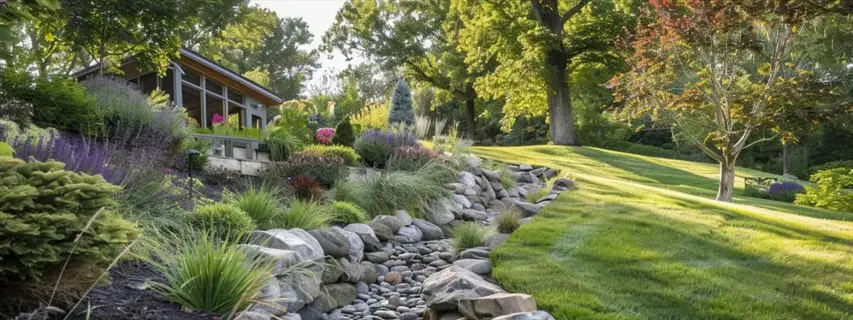
- Best for: A soft, low lawn alternative in dry to medium shade, where it forms a fine-textured green carpet under trees.
- Type: A spreading North American native sedge that is widely recommended across extension and native-plant sources.
- Light and soil: Thrives in part to full shade and tolerates the dry shade that defeats many other groundcovers.
- Habit: Slowly knits together into a meadow-like sweep, and some gardeners mow it only a couple of times a year.
- Wildlife value: As a native species, it supports local insects and adds to the wildlife benefits sedges are known for.
- Consider: Its gentle spread is a feature for groundcover use but means it is better suited to drifts than tight borders.
Palm Sedge
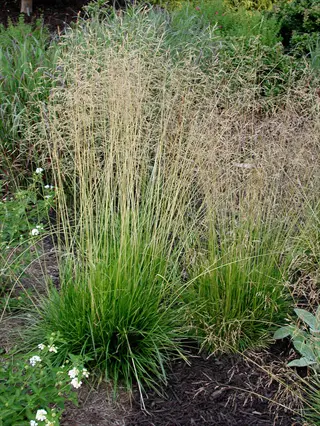
- Best for: Adding bold, tropical-looking texture to rain gardens and moist borders with its whorled, palm-like foliage.
- Type: A clumping native sedge that appears on regional native lists from the Midwest and beyond.
- Light and soil: Prefers moist soil and tolerates part shade to sun where moisture stays steady.
- Habit: Forms upright, arching clumps with leaves arranged like the fronds of a small palm.
- Wildlife value: Suits rain gardens and pond edges, contributing to the wetland and habitat roles sedges play.
- Consider: It looks best with reliable moisture, so pair it with damp sites rather than dry, exposed beds.

Evergold Sedge
- Best for: Brightening shady corners and containers with arching, cream-and-green striped, mostly evergreen foliage.
- Type: A popular ornamental cultivar of Carex oshimensis grown for its year-round color.
- Light and soil: Does best in part shade with moist, well-drained soil that does not dry out completely.
- Habit: Stays in a tidy, fountain-like clump that suits the front of a border or a mixed pot.
- Visual appeal: The variegated blades catch light in dim spots, making it a go-to for dark garden corners.
- Consider: As a non-native ornamental it is grown chiefly for looks, so choose it for color rather than habitat value.
Fox Sedge
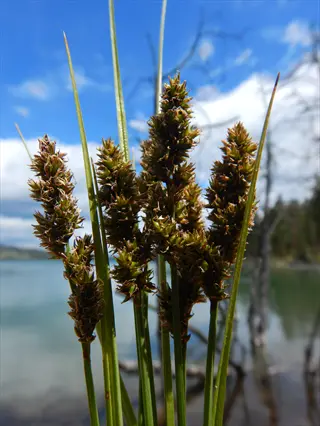
- Best for: Wet, sunny sites, streambanks and rain gardens where its spiky, bottlebrush seed heads stand out.
- Type: A vigorous native sedge listed among regional natives for restoration and water-edge plantings.
- Light and soil: Handles full sun to part shade in moist to wet soil, including heavy, periodically flooded ground.
- Habit: Grows into upright clumps topped with distinctive fox-tail-like flowering and seeding spikes.
- Wildlife value: Its seeds and cover feed wetland wildlife, reflecting the waterfowl and songbird value sedges provide.
- Consider: It is robust and self-seeds in wet ground, so give it space in naturalized or rain-garden settings.
I planted a golden ornamental sedge in a shaded corner where every fern and hosta had died on me. Within a season its bright blades lit up that dark spot like a low lamp. That experience taught me the real point of these plants. You grow them for foliage color, not flowers. The right leaves can save a corner nothing else will touch in your yard.
The list below mixes showy non-native picks with native sedges, so you can match each one to your own goal. The best sedge varieties come in evergreen, semi-evergreen and deciduous types. You will find golds, bronzes, blues and greens. Match a plant to your sun, your soil and your region, and that choice matters far more than chasing the trendiest cultivar.
Two of these are tough regional natives that earn their keep. Pennsylvania sedge carpets dry shade under trees. Palm sedge brings whorled, palm-like texture to damp borders and rain gardens. Both feed local insects in ways a pretty pot of color cannot.
The other two win their spot for looks. Evergold is a striped evergreen sedge that glows in dim corners and pots all year. Fox sedge throws up spiky seed heads at wet, sunny edges. Pick a native when you want habitat value for your yard. Reach for the ornamental sedge when you just need a splash of light in a shady bed.
Sedge Uses and Wildlife Value
Sedge uses go far past a pretty green clump in a border. The same plant can replace your lawn, hold a slope in place, feed birds, and trace back to baskets people wove thousands of years ago. Few garden plants pull this much weight.
Most plant guides drop a quick line about wildlife and move on. The jobs below come straight from extension and government sources. You get the real ecological story here, not just nursery talk. Here is what these plants do for your yard and the creatures around it.
Lawn and Groundcover Alternative
- Why it works: Low, spreading sedges form a soft, fine-textured carpet that thrives in the shade where turf grass struggles to fill in.
- Where it shines: Dry shade under trees and awkward corners suit native sedges that need only the odd mow each season.
- Bonus: As a lawn alternative they cut your watering and mowing well below what a conventional lawn demands.
Erosion Control and Rain Gardens
- Why it works: Dense fibrous roots and creeping rhizomes bind soil, which is why slough sedge stabilizes streambanks per the USDA-NRCS Plant Guide.
- Where it shines: Slopes, swales and a rain garden all gain from the way sedges slow runoff and settle sediment.
- Bonus: In wetland plantings they create nutrient-rich habitat for aquatic life and waterfowl, so erosion control doubles as habitat.
Wildlife and Pollinator Habitat
- Why it works: NC State Extension notes sedge seeds feed small mammals, ducks, grouse, wild turkeys and songbirds.
- Where it shines: Mixed native plantings gain cover and nesting sites, and sedges serve as a larval host for caterpillars.
- Bonus: These wildlife benefits stack up, and the Canadian Encyclopedia adds that sedges bordering wet places feed waterfowl.
Traditional and Cultural Uses
- Why it works: Native American and Pacific Northwest tribes used dried, split sedge leaves and rhizomes for finely woven baskets, hats, rope and torches.
- Where it shines: This basketry, documented by NC State and the USDA-NRCS guide, shows a deep human history with the plant.
- Bonus: The Canadian Encyclopedia notes the related Cyperus papyrus gave ancient Egyptians the earliest paper.
Notice how the practical jobs and the wildlife benefits feed each other. A patch you plant as a lawn alternative or for erosion control turns into cover and seed for the birds nearby. You solve a yard problem and grow a small habitat at once.
Today the value of sedge is most evident in its native habitat, bordering sloughs and other wet places, where it provides cover and food for waterfowl.
5 Common Myths
All sedges are aggressive weeds like nutsedge that take over a lawn and are nearly impossible to remove.
Most garden sedges are clumping ornamental Carex; nutsedge is a separate genus, Cyperus, and is the actual weedy culprit gardeners fear.
Sedges are just another kind of ornamental grass, so they grow, look and behave exactly like true grasses.
Sedges belong to the family Cyperaceae, not the grass family; they have solid triangular stems and 3-ranked leaves that grasses lack.
You should water and feed sedges heavily and cut them back hard every year to keep them lush and thriving.
Sedges grow slowly and are stressed by over-watering and over-fertilizing; they also recover slowly from being cut back hard.
Sedges only grow in wet, boggy ground, so they cannot survive in a dry, shaded or ordinary garden bed.
Carex species grow in habitats as varied as marshes, mesic forests and dry open sandhills, so many handle dry shade well.
Sedges have little value, offering nothing useful to wildlife and serving no real purpose beyond filling empty space.
Sedge seeds and foliage feed waterfowl, songbirds and mammals, host caterpillars, control erosion, and were long used for baskets and rope.
Conclusion
A sedge plant is more than the old line about edges. It belongs to the family Cyperaceae. You confirm it by feeling the solid triangular stem. Then you check the perigynium, the little sac that wraps each seed. Feel the stem first, then look closer. That two-step check tells you what you have, even when two plants look almost the same.
The numbers behind this group are worth holding onto. The genus Carex holds over 2,000 species, which makes it one of the four largest flowering plant genera on Earth. It is also the most diverse genus of the northern temperate zone, per a 2013 paper in Annals of Botany. So the plant you tuck into a shady corner sits inside one of the richest stories in the plant world.
For your yard, that depth pays off in simple ways. Sedges work as a low-maintenance sedge lawn alternative, a groundcover for shade, and a root network that holds soil on a slope. The catch is restraint. These are slow growers, so go easy on water and fertilizer. Too much of either stresses them and undoes the easy care that drew you to them in the first place.
Match the plant to your site and you get year-round texture with real wildlife value, not a fussy showpiece. Native sedges give seeds to ducks and songbirds. They give cover to small creatures too. Their leaves once became baskets and rope in skilled hands. Pick the right one for your light and soil. That choice ties a tidy garden to a long ecological and cultural story. And it keeps giving back season after season.
Glossary
- 3-ranked leaves
- Leaves that grow in three vertical rows around the stem, a feature of sedges that helps separate them from grasses, which have leaves in two rows.
- Achene
- A small, dry, one-seeded fruit that does not split open, which is the type of fruit a sedge produces inside its perigynium.
- Carex
- The largest genus of sedges, holding over 2,000 species and including most garden and native sedges.
- Cyperaceae
- The plant family that all sedges belong to, distinct from the true grass family.
- Monoecious
- A plant that carries both male and female flowers on the same individual, as sedges do.
- Perennial
- A plant that lives for more than two years, regrowing each season rather than dying after one.
- Perigynium
- The small sac or bottle-shaped bract that encloses a sedge's female flower and later its fruit, used by botanists to identify the species.
- Rhizome
- An underground stem that creeps sideways and sends up new shoots, allowing spreading sedges to form colonies and hold soil.
External Sources
Frequently Asked Questions
What kind of plant is a sedge?
A sedge is a grass-like perennial in the plant family Cyperaceae, most often in the genus Carex, known for its solid triangular stems.
What is the difference between a sedge and a grass?
Sedges have solid, triangular stems and 3-ranked leaves with closed sheaths, while grasses have round, hollow stems and 2-ranked leaves.
Is a sedge plant poisonous?
Ornamental Carex sedges are generally regarded as non-toxic landscape plants, and their seeds and foliage are eaten by many animals.
Is sedge invasive?
Most garden Carex sedges are clumping and well-behaved; only a few spread aggressively, and weedy nutsedge is a different genus.
Are sedges good for your garden?
Yes, sedges are low-maintenance, shade-tolerant plants that work as lawn alternatives, groundcovers and erosion control with wildlife value.
What is sedge used for?
Sedges are used for lawn alternatives, erosion control, rain gardens, wildlife habitat, and historically for baskets, rope and paper.
Can sedge grow in full sun?
Some sedges tolerate full sun, especially with steady moisture, but many garden Carex prefer part to full shade and moist soil.
Should I cut back sedge plants?
You can tidy sedges by trimming or combing out dead blades in late winter, but cut carefully since sedges recover slowly.
How long does a sedge plant live?
Sedges are long-lived perennials that can persist for many years, and dividing established clumps periodically keeps them vigorous.
What eats sedge plants?
Sedge seeds and foliage feed ducks, grouse, wild turkeys, songbirds and small mammals, and serve as a host for caterpillars.